
KOTARO IKURA



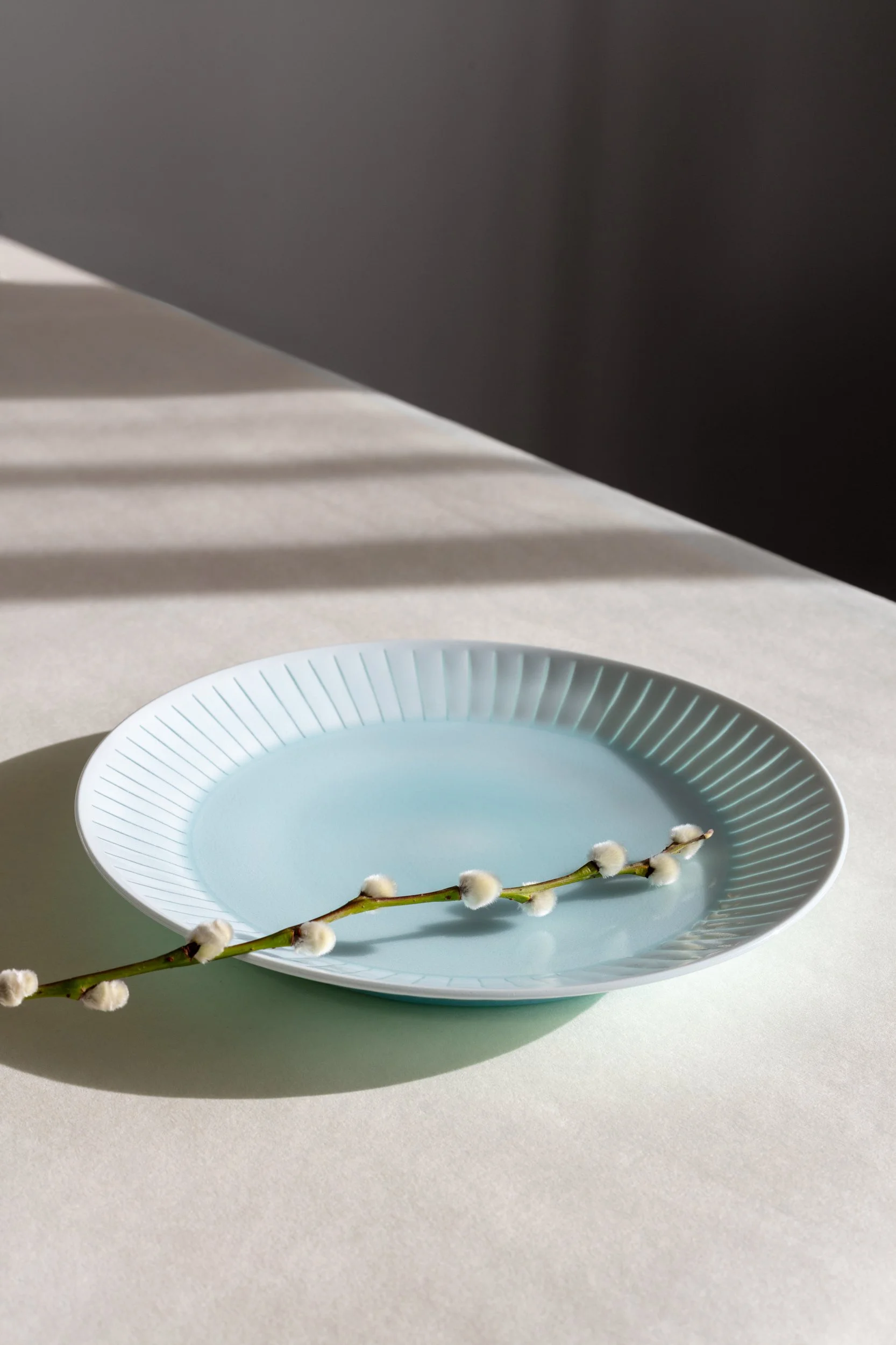

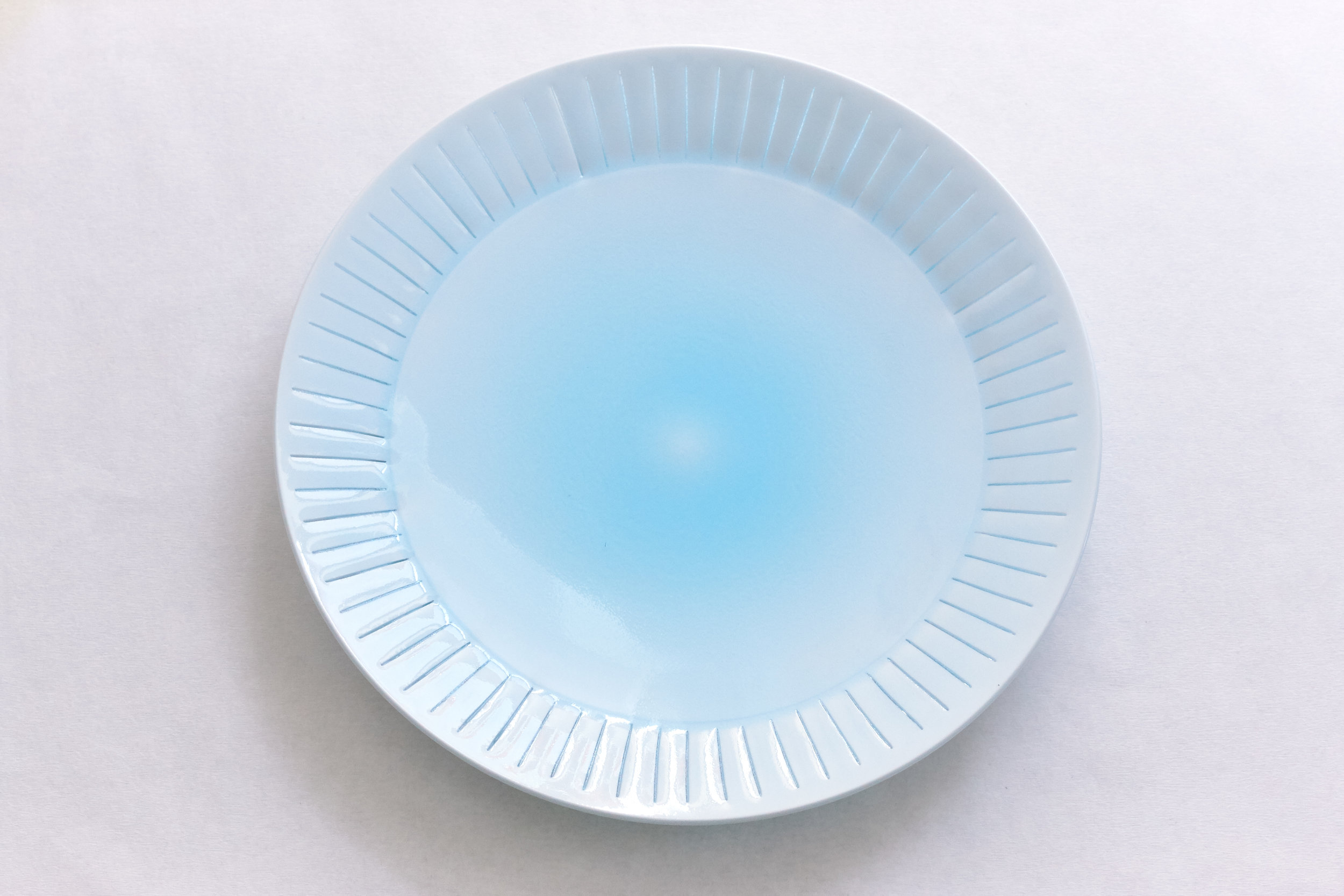


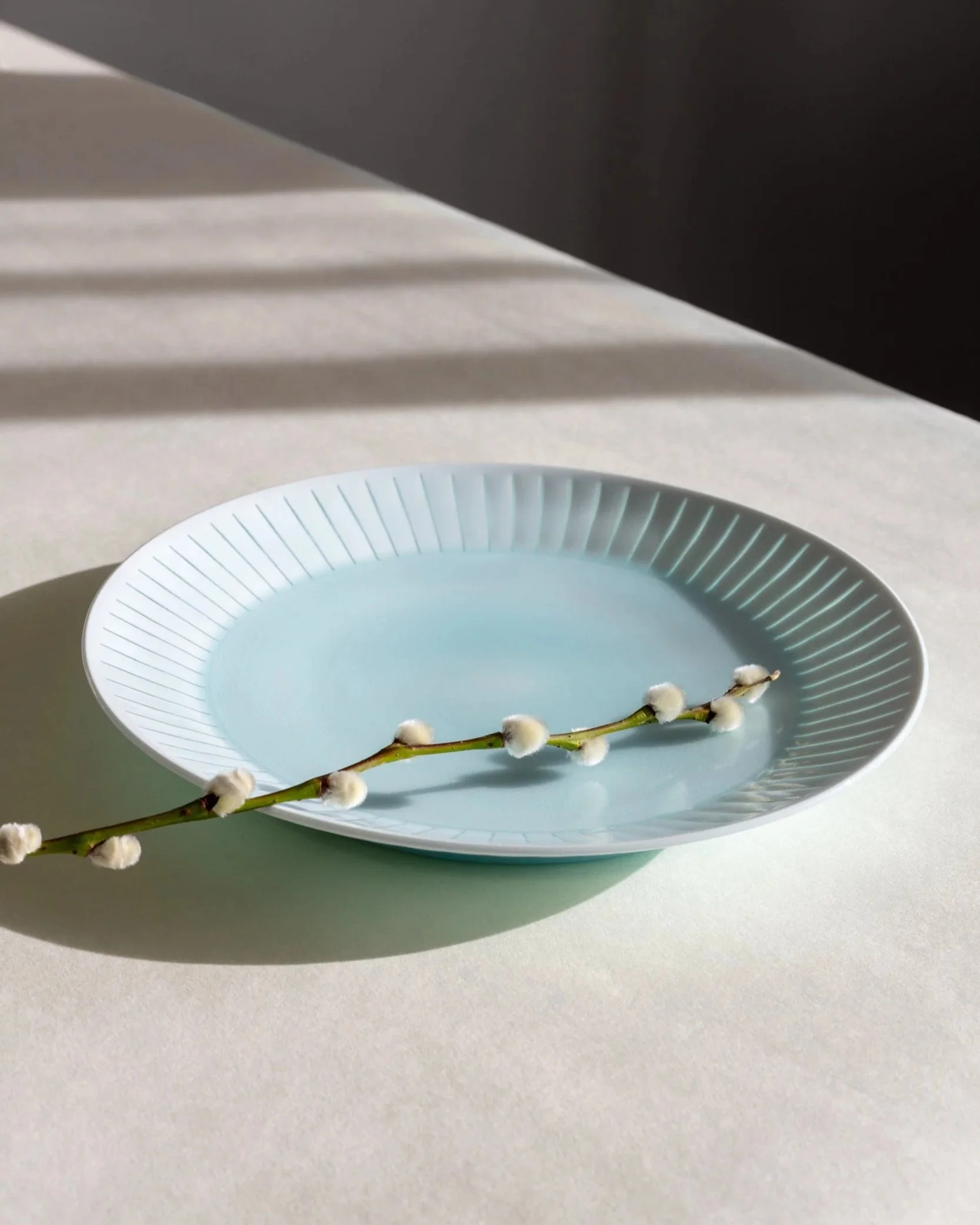
The Flower of the Water.
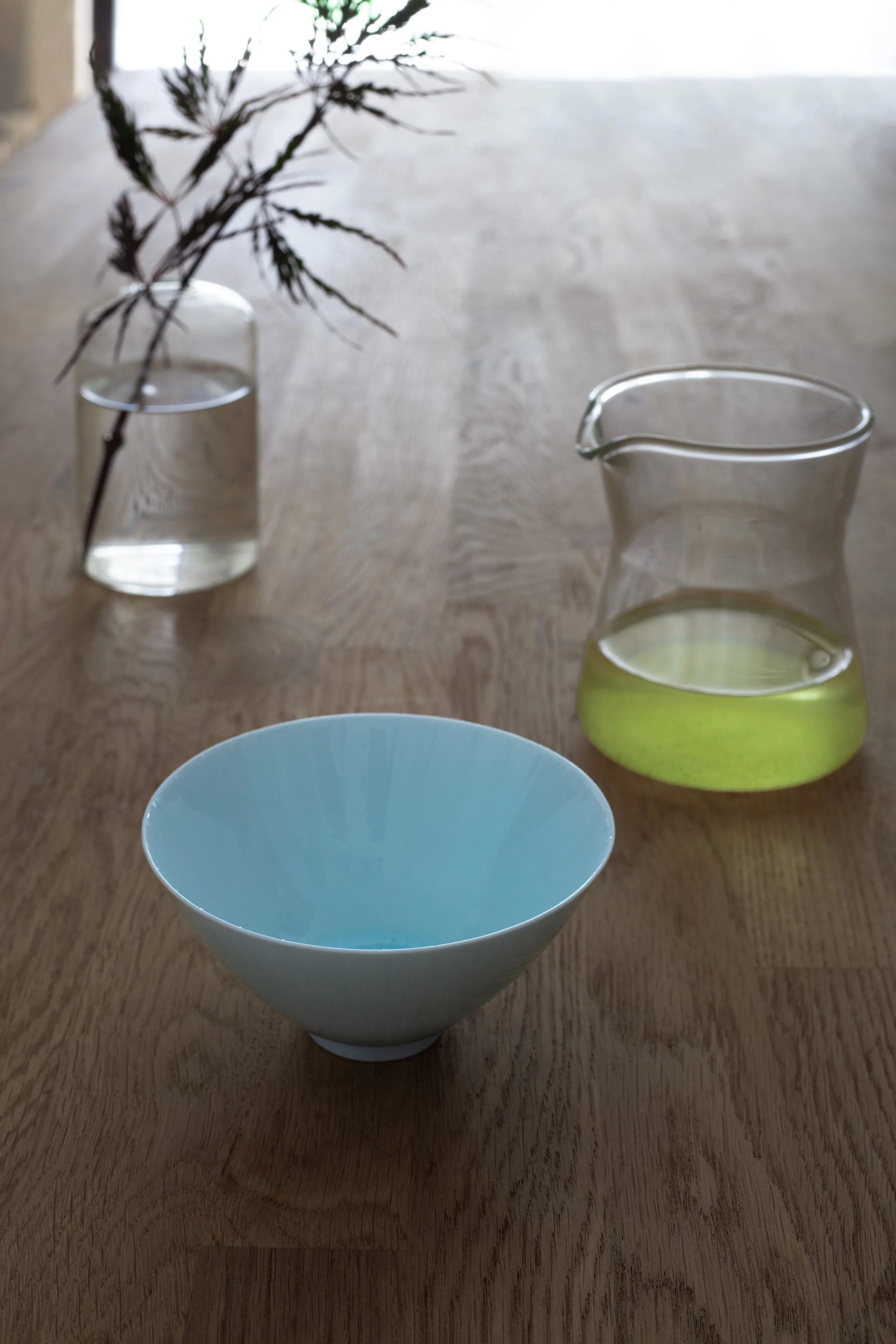
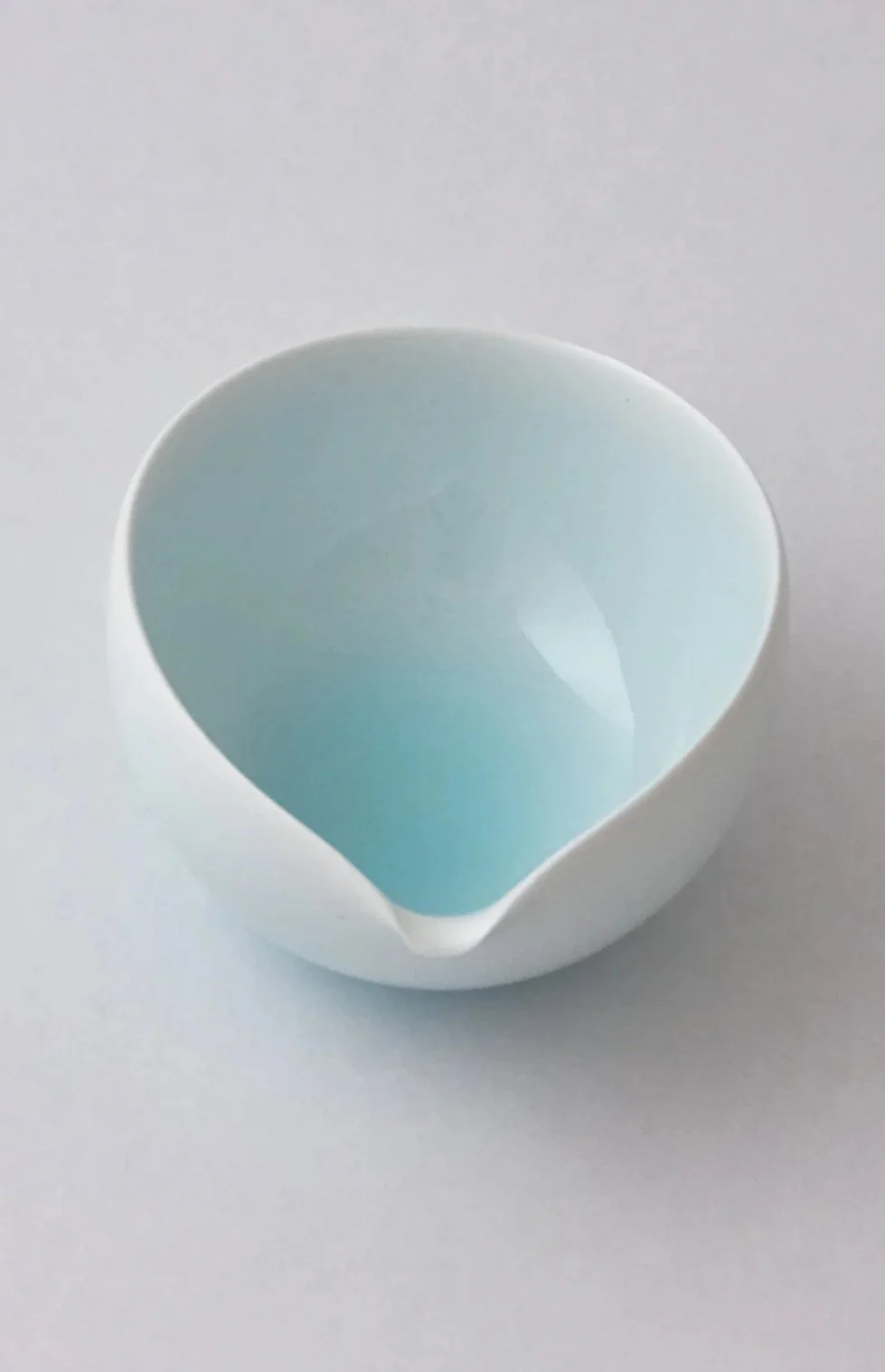
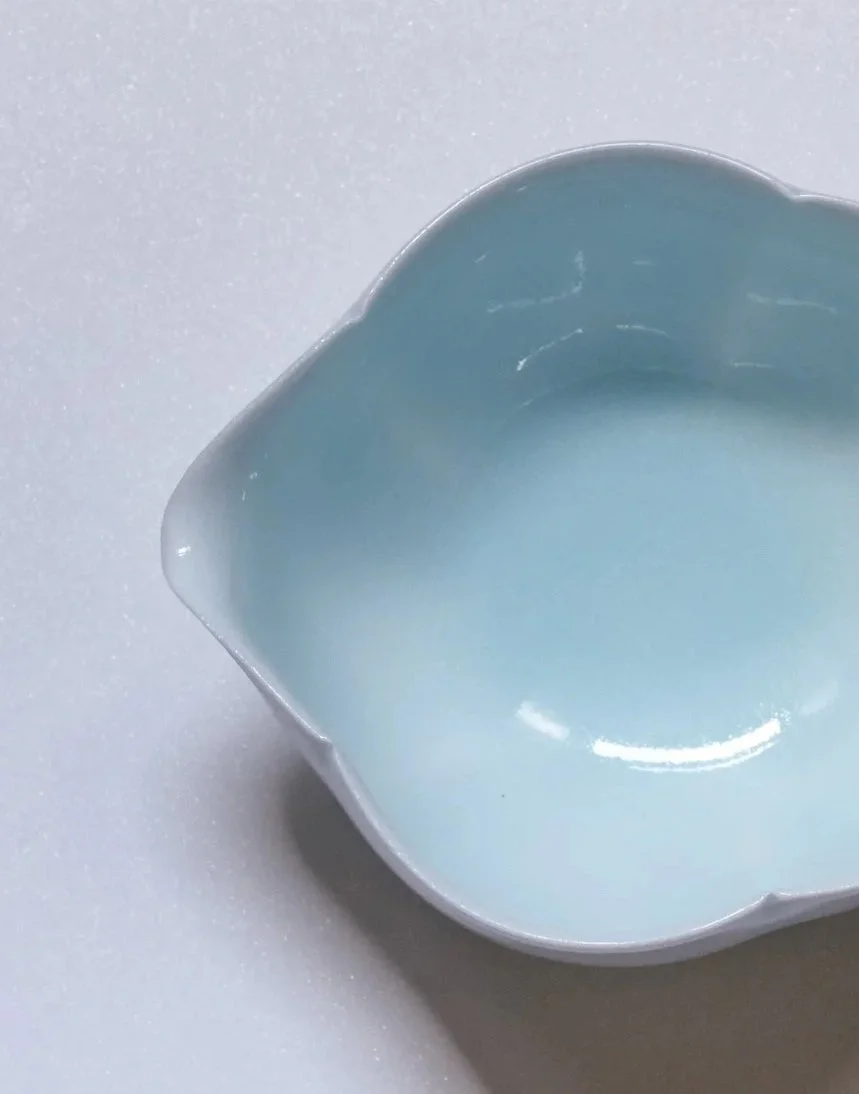
Imagine a delicate pale blue and white flower floating on the water, see how the light plays and dances on it. Take a few steps and look at it from a different angle, appreciate how the view and beauty changes.
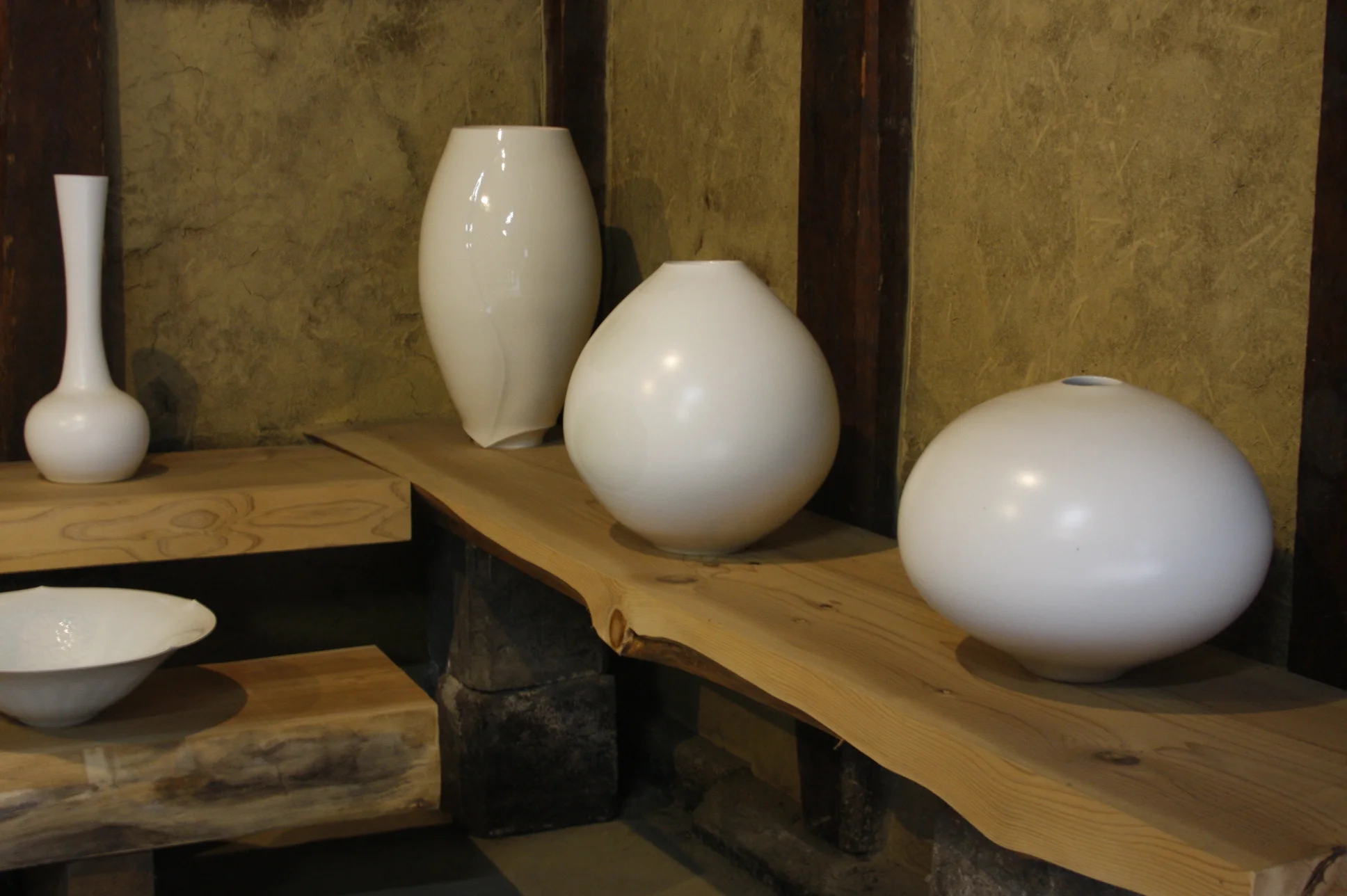
Holding and looking at these quietly stunning ceramic works from Kotaro Ikura conjures similar visions and thoughts.
Ikura-san was born into a ceramics family, the first son of a fourth generation Yagyu Yaki (ceramics artisan) in the ancient town of Nara, the original capital of Japan, near Kyoto. His path was to take over the family business, being the son of a famous potter. As a young boy, he was fascinated by his father’s working, standing by his side for hours as he threw pottery, but he wasn’t allowed to do it himself. So, his interest waned over time — preferring, as most kids do, to run and play with friends.
After high school, he wasn’t sure what to do, so he went to Osaka Art University, figuring that he would eventually end up helping his father and ultimately take over the business. However, when he was finally able to touch the wheel there, he was transformed. From his observations of his father when he was young, he had a bit of a head start and much of the work came naturally. When he returned home after school, he dove into his passion — porcelain, which is a completely different technique and was not part of the family business.
With his skill in pottery, it might have been easier for him to follow his father’s footsteps as a master potter, but he was determined to delve into his love of porcelain. His attempts the first few years, as is often the case, weren’t to his liking, but he kept at it and persevered — eventually winning several prestigious awards. Ikura-san’s father watched as his son struggled, but the elder Ikura never criticized.
In 2009, he made the decision to go independent.
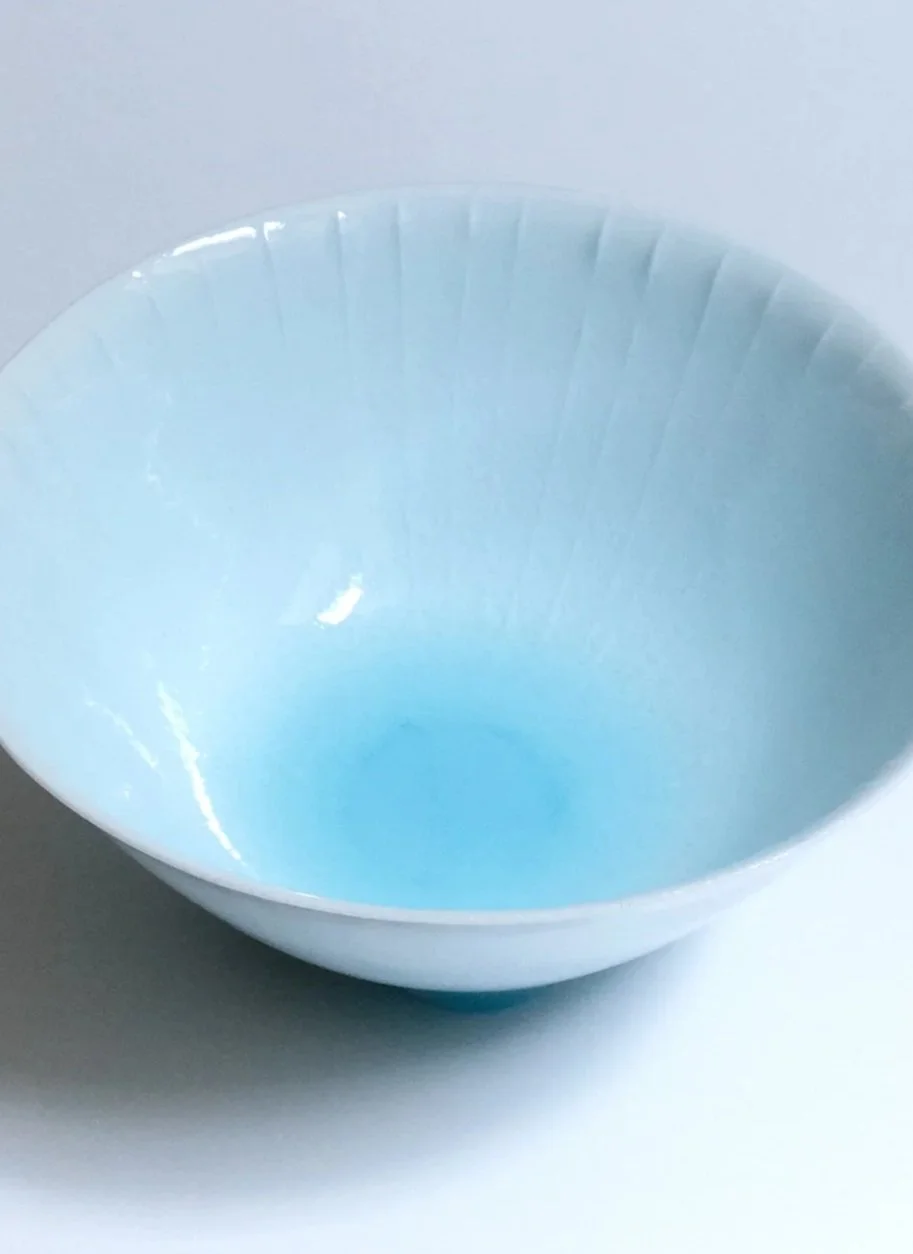
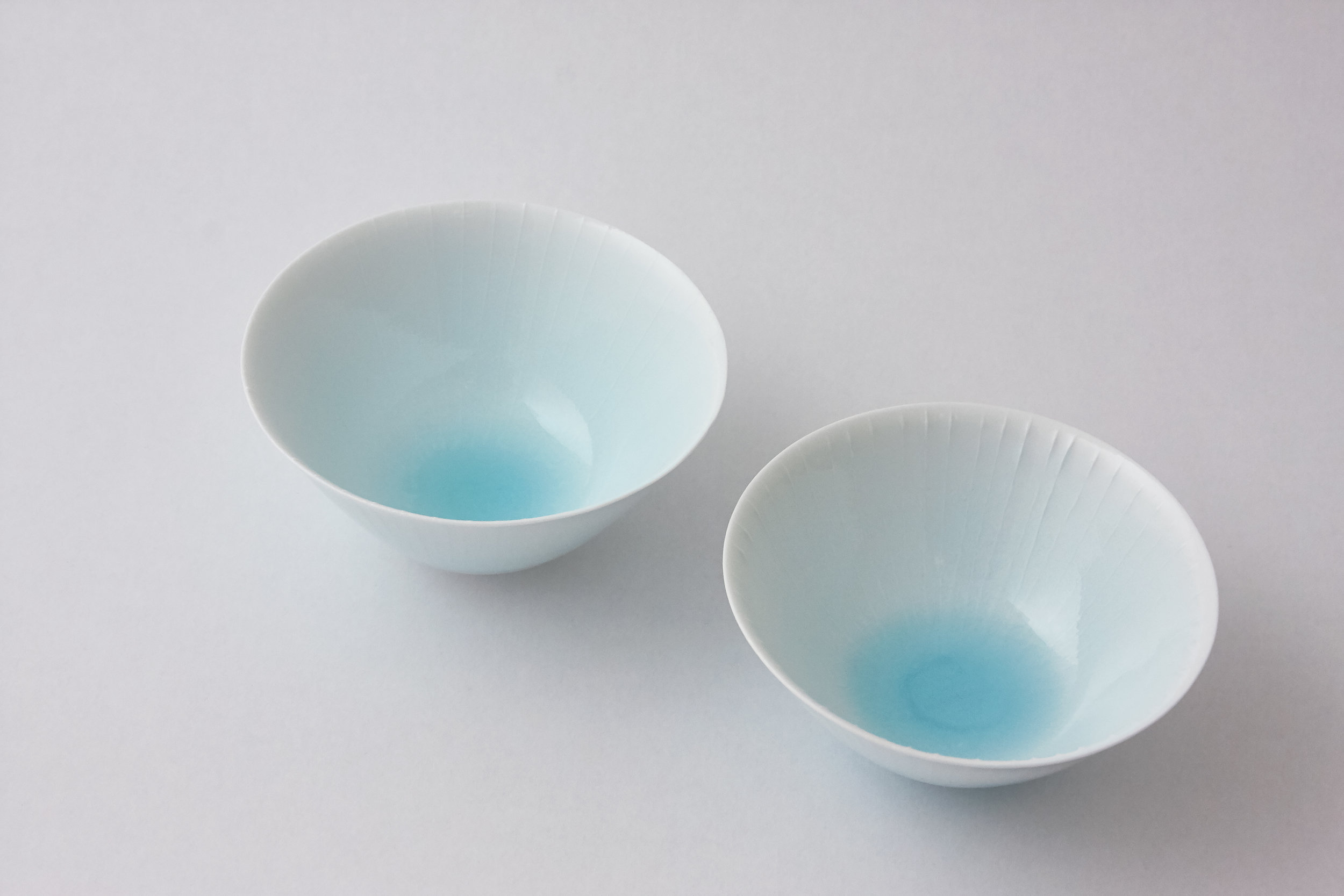
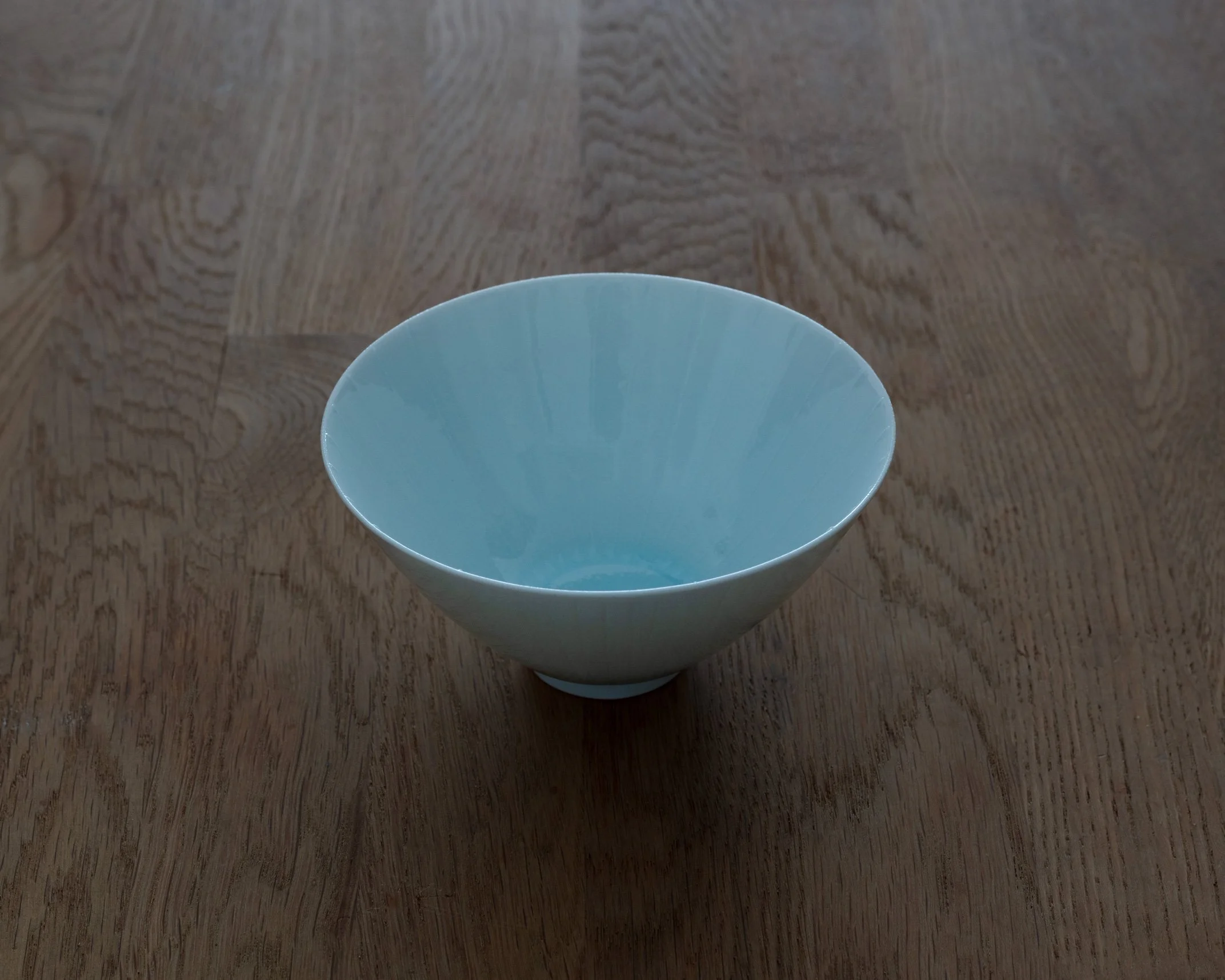
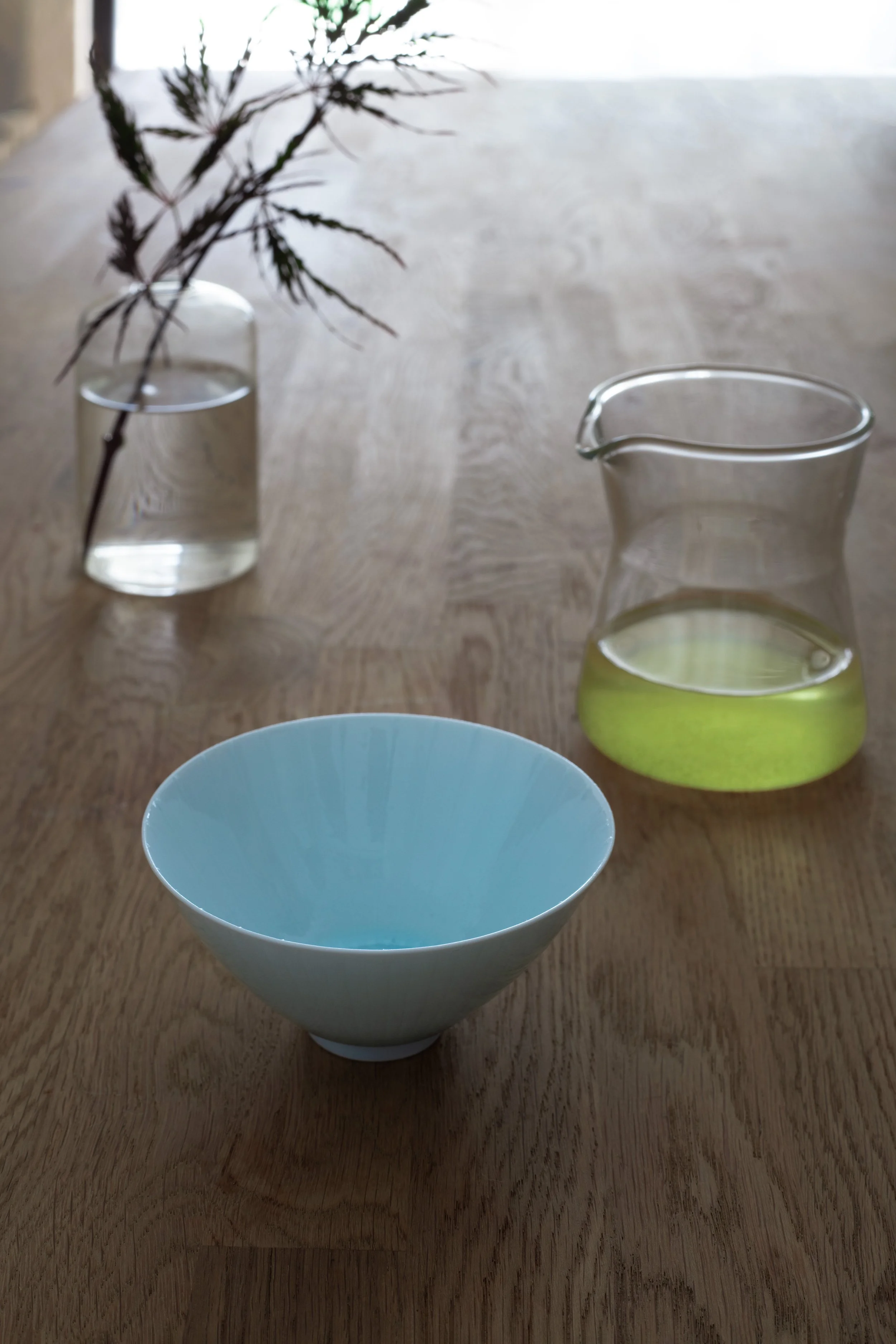
Ikura-san started by creating “blue white” porcelain — a delicate light blue porcelain that originated many centuries ago in China. The blue is a result of a small amount of iron that tends to pool in the bottom of a vessel in subtle gradations, giving it the fleeting appearance of water that seems to move.
Becoming comfortable with this technique, Ikura-san wanted to take it further. So he decided on creating new pieces using an ancient technique called Hotarude (蛍手) — a traditional method of Chinese and Japanese pottery that is created by making small holes or carvings on the surface, and then covering them with a thin glaze to make the beautiful transparent patterns you see in his plates.
He calls this series "mizu no hana" (水ノ華), meaning "flower of the water" — the name was coined when he showed his first Hotarude efforts to some fellow ceramists who he respected.
Ikura-san’s father, Toshio, passed away earlier this year. Reflecting back, he knows his decisions caused his father to worry about him with the love of a parent. “After his passing” he says, ”I often wonder if he lived his life for me. Because of him, I could focus on my work comfortably.”
We are proud to present the creations that are interwoven with his vision and his family relationship.