

Winter Solstice in Japan: Celebrating Tōji with Traditions and Crafts
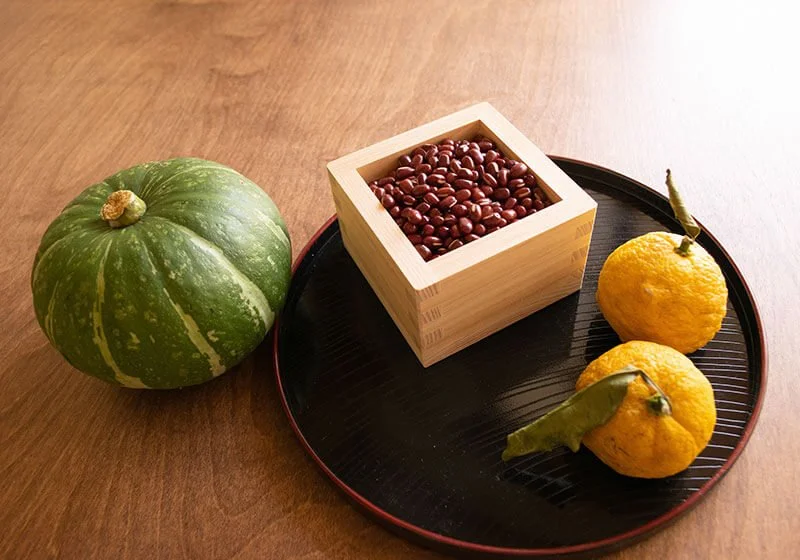
The winter solstice, or Tōji, is a cherished seasonal marker in Japanese culture. Falling on the shortest day and longest night of the year, Tōji symbolizes a turning point as the days begin to grow longer. In Japan, this day is steeped in traditions meant to promote health, vitality, and good fortune for the colder months ahead.
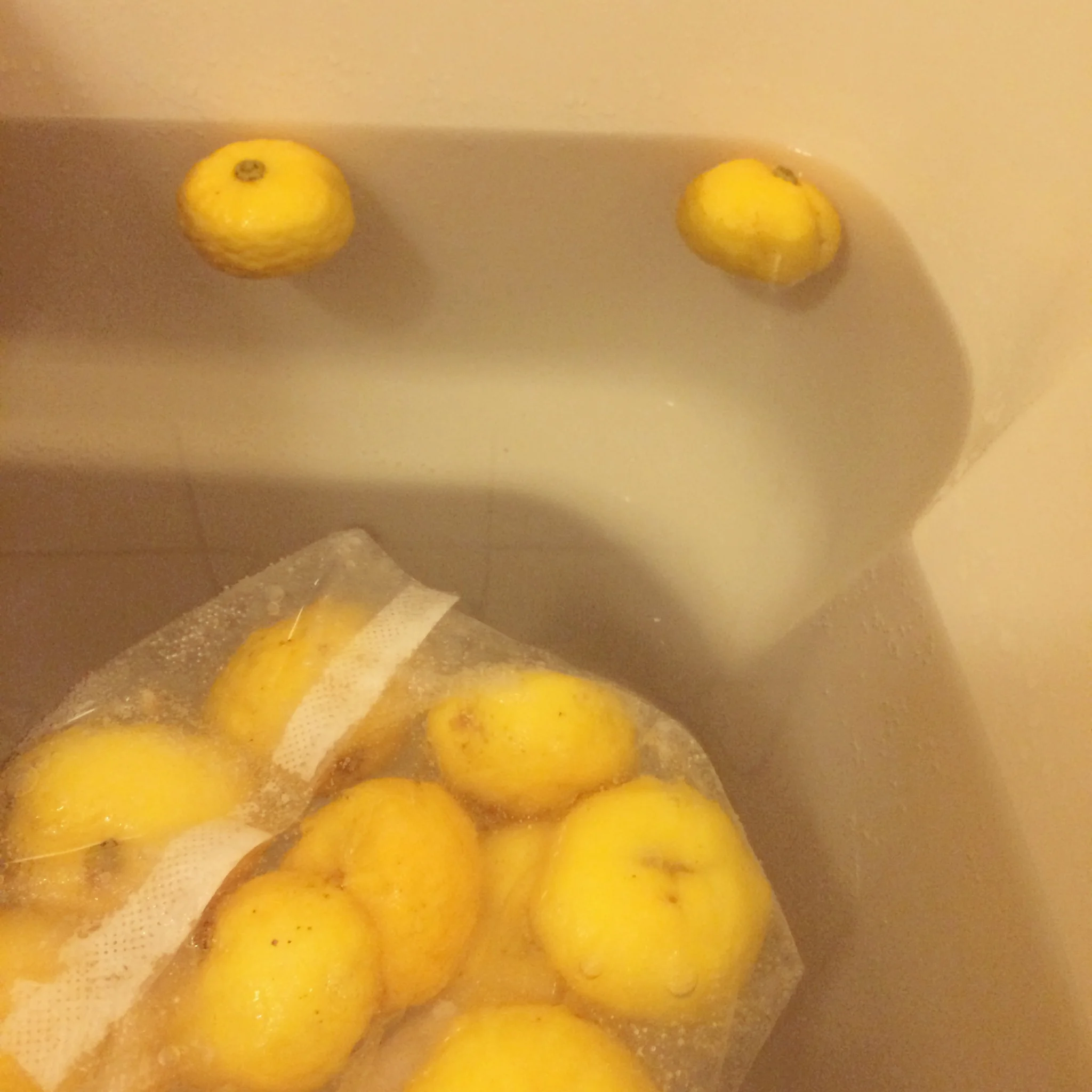
One of the most iconic Tōji customs is the yuzuyu, a hot bath infused with fragrant yuzu citrus fruits. This ritual is believed to ward off colds, improve circulation, and rejuvenate the spirit. The bright yellow yuzu floating in steaming water creates a sensory experience that is both invigorating and deeply soothing, making it a perfect way to connect with the season.
Another tradition involves eating kabocha, or Japanese winter squash. Rich in vitamins and nutrients, kabocha is enjoyed in various forms, such as simmered dishes or soups. It’s thought to provide strength and warmth during the chilly winter season, aligning with Tōji’s themes of renewal and preparation for the months ahead.
Beyond these customs, Tōji serves as a time for reflection and renewal. It encourages people to embrace the natural rhythms of the seasons, taking a moment to pause and reset before the busy New Year festivities. Whether soaking in a yuzuyu or savoring a comforting kabocha dish, Tōji is a celebration of health, hope, and harmony with nature.
In modern times, Tōji continues to inspire people not only in Japan but around the world. Its emphasis on balance and renewal resonates universally, offering a moment to slow down and embrace simple, meaningful traditions as winter deepens.
This article is part of an ongoing series exploring seasonal rituals in Japan, where everyday customs quietly mark the passage of time throughout the year. #JapaneseTradition

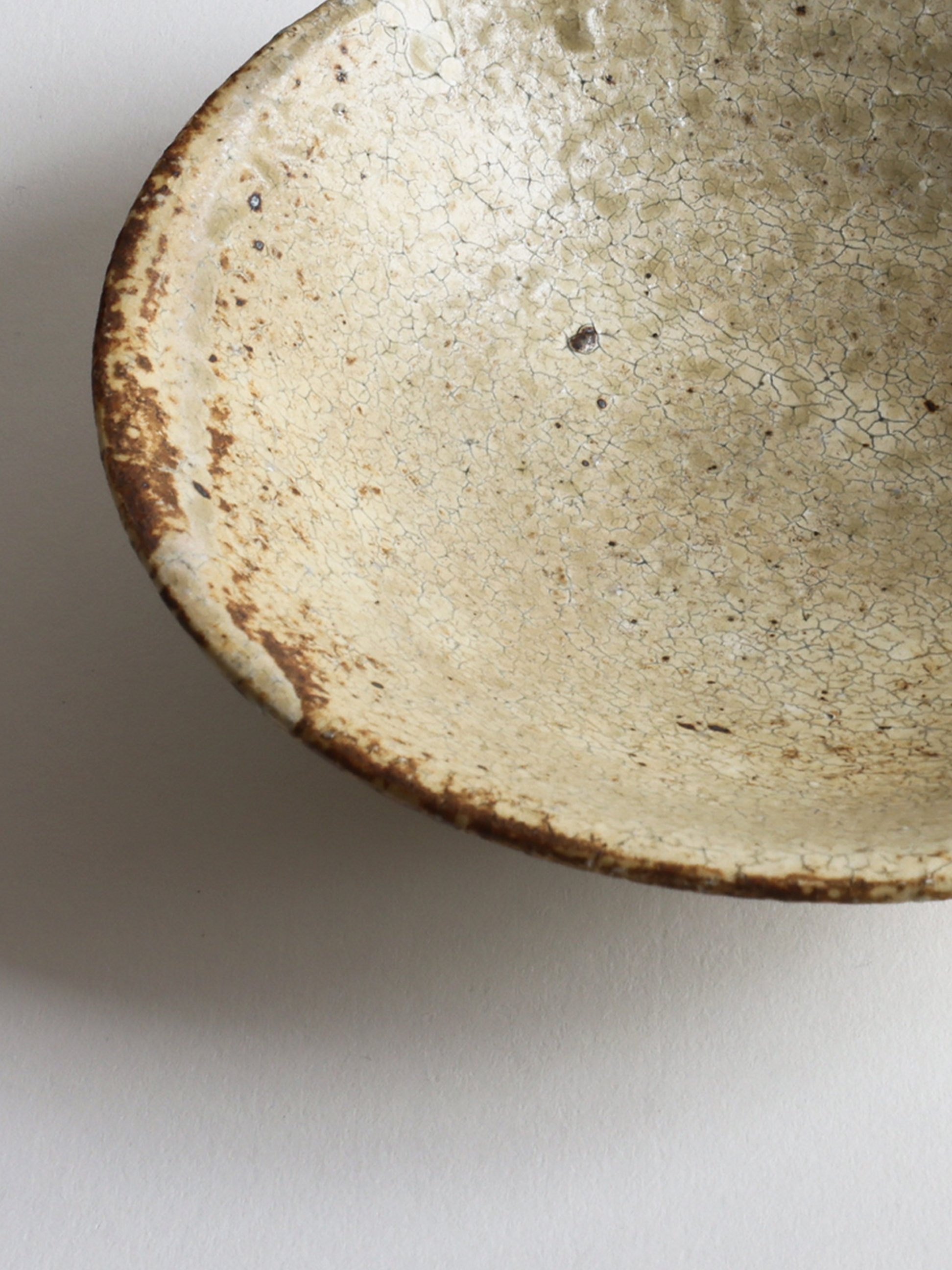
The Hibikohiki Small Yobachi Plate by Atsushi Ogata is a fine example of his mastery in utilizing the hibikohiki technique, where the unique characteristics of the clay emerge naturally during the firing process. This plate features subtle variations in color and texture, with the slight cracks and markings adding an organic feel to the piece. The earthy tones and natural finish enhance the plate’s tactile beauty, making it a statement piece that invites both use and admiration.
Handcrafted in Japan, the Hibikohiki Small Yobachi Plate is versatile for small dishes or as a decorative item. Each plate is one-of-a-kind, reflecting the unpredictable nature of the hibikohiki firing method. The result is a vessel that celebrates both the beauty of imperfection and the strength of traditional craftsmanship. With its raw, rustic aesthetic, this plate offers a connection to the heritage of Japanese pottery while fitting seamlessly into modern life.
Approximately 152mm D x 50mm H (6"D x 2"H)
AO15
Visit Product care page
*These are all made by hand, so each one may differ from the photo and listed measurements.
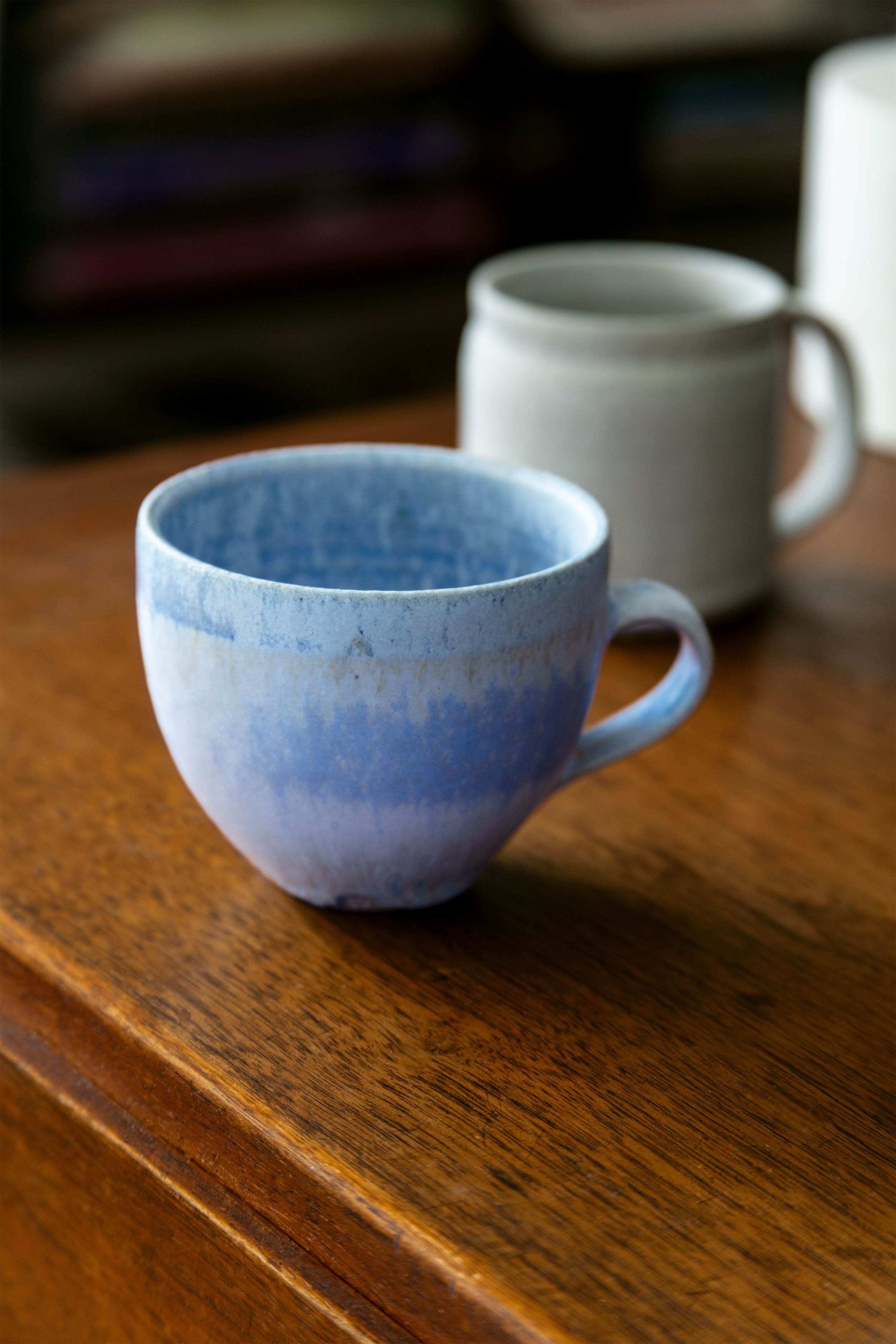
The Hekikaihaku Mug 碧灰白マグ by Kodo Kiyooka is a handcrafted, one-of-a-kind ceramic piece inspired by Shigaraki-yaki, a traditional Japanese pottery style.
With a design that emphasizes simplicity and earthy beauty, each mug features a distinctive glaze with subtle blue hues.
Approximately 3.5 inches in diameter and 3 inches tall, this mug captures the artistry of Kiyooka’s work, which balances strength and delicacy.
Due to its handmade nature, each piece may vary slightly, and back orders may take up to 4 months.
approx. 88mm D x 76mm H (3.5" D x 3" H)
KK19
Visit Product care page
*These are all made by hand, so each one may differ from the photo and listed measurements.