
How the Year Ends in Japan — Preparing for a New Beginning
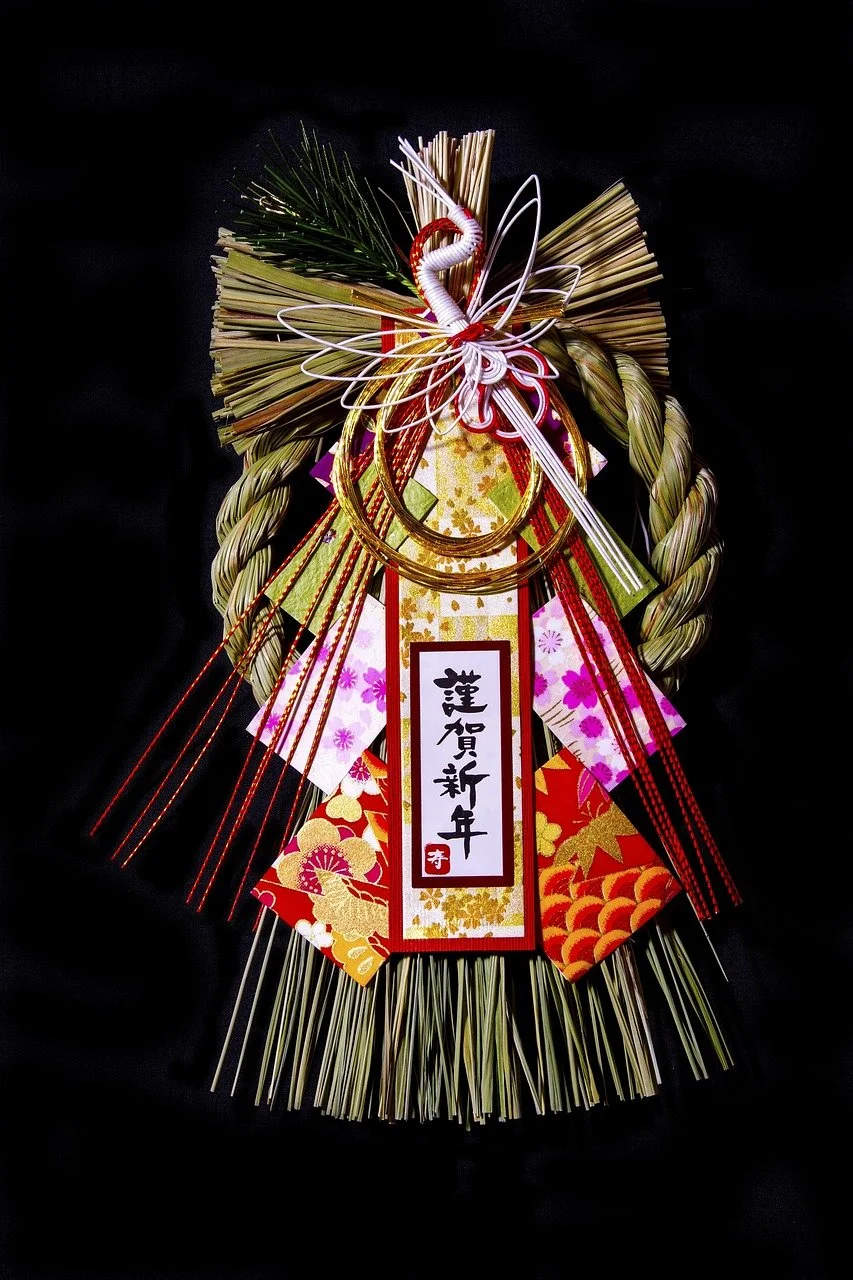
注連飾り (Shimekazari)
日本の年末行事 ― 新しい年を迎えるために
In Japan, the end of the year is not marked by excess or spectacle, but by clearing, resetting, and quiet intention. Everyday actions—cleaning, decorating, eating—become small rituals that prepare both the home and the heart for the year ahead.
These customs have been passed down not as formal ceremonies, but as part of daily life, shaping how time is closed and renewed.
大掃除 (Ōsōji) — Clearing the Year Away
Ōsōji, the traditional year-end cleaning, is an act of closure. Homes, shops, and even temples are carefully cleaned so the new year can be welcomed without remnants of the old.
More than hygiene, Ōsōji reflects a shared understanding that space carries memory. Clearing it allows the coming year to begin with clarity and intention.
注連飾り (Shimekazari) — Marking the Threshold
Shimekazari are New Year decorations placed at entrances to homes. Made from twisted rice straw and simple natural elements, they quietly mark the boundary between the everyday and the auspicious.
Rooted in Shinto belief, shimekazari signal readiness for renewal—welcoming good fortune while keeping misfortune at bay.
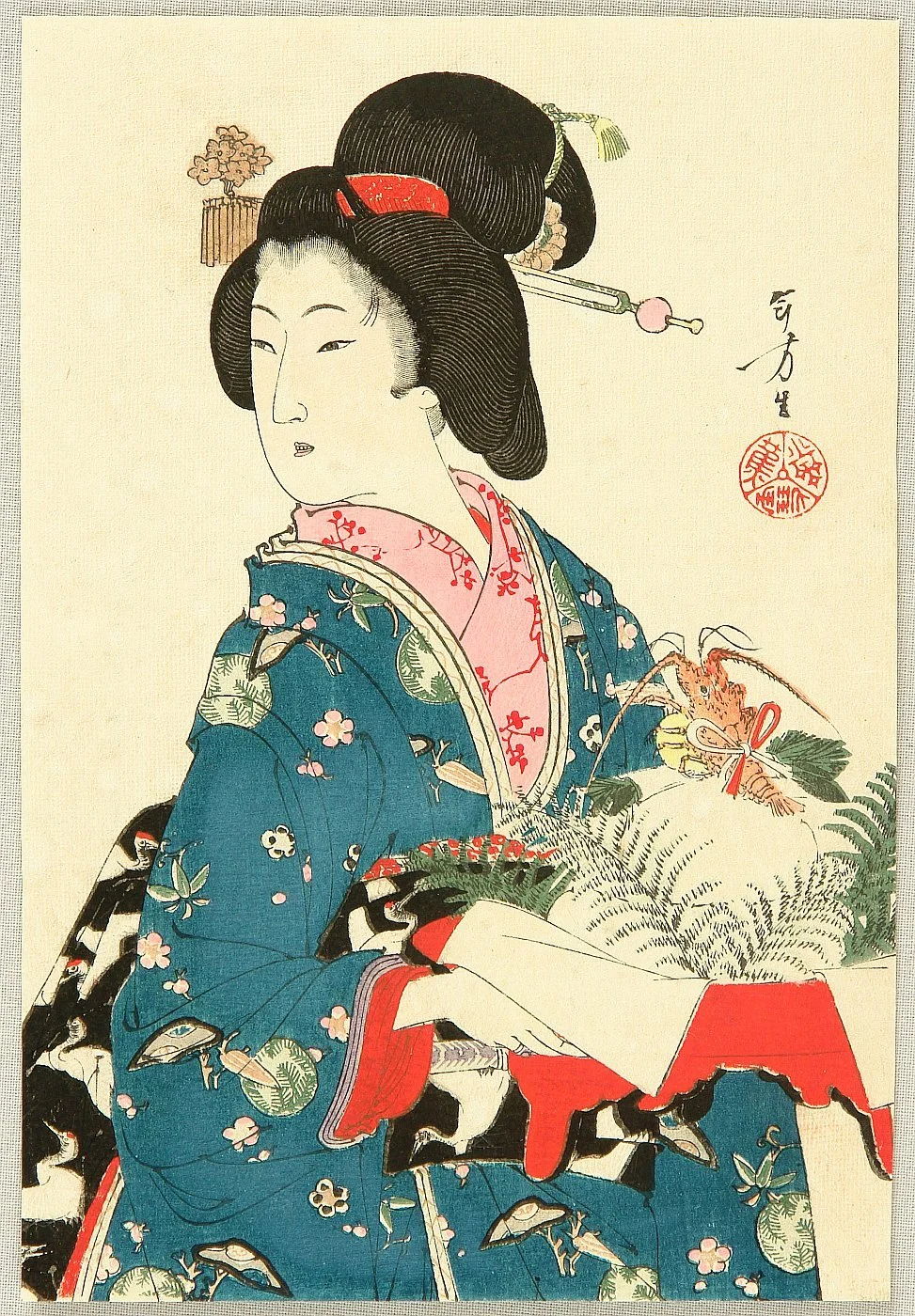
鏡餅 (Kagami Mochi)
鏡餅 (Kagami Mochi) — A Moment of Stillness
Kagami mochi—two stacked round rice cakes topped with a bitter orange—are displayed during the New Year period as offerings.
Their understated form invites pause. Rather than decoration, kagami mochi represents balance, gratitude, and continuity, standing quietly as the year turns.
年越しそば (Toshikoshi Soba) — Crossing the Year
On New Year’s Eve, families eat toshikoshi soba, long buckwheat noodles symbolizing endurance and resilience.
The ritual is modest and unceremonious, reflecting a Japanese approach to transition—not a dramatic ending, but a steady crossing from one year to the next.
除夜の鐘 (Joya no Kane) — Letting Go at Midnight
As the year draws to a close, Buddhist temples across Japan ring their bells 108 times, each toll representing one earthly desire to be released.
The sound carries through the cold night air, marking the passage of time with reflection rather than celebration.
Ending with Intention
Japanese year-end rituals do not promise sudden transformation. Instead, they offer something more enduring: attention, care, and the grace of a proper ending.
How the year ends matters—because it shapes how the next one begins.
This post is part of our ongoing series on Japanese Seasonal Rituals, exploring how traditions like Oshōgatsu, year-end celebrations, Setsubun, cherry blossom season and Tanabata quietly mark the passage of time throughout the year. #JapaneseTradition