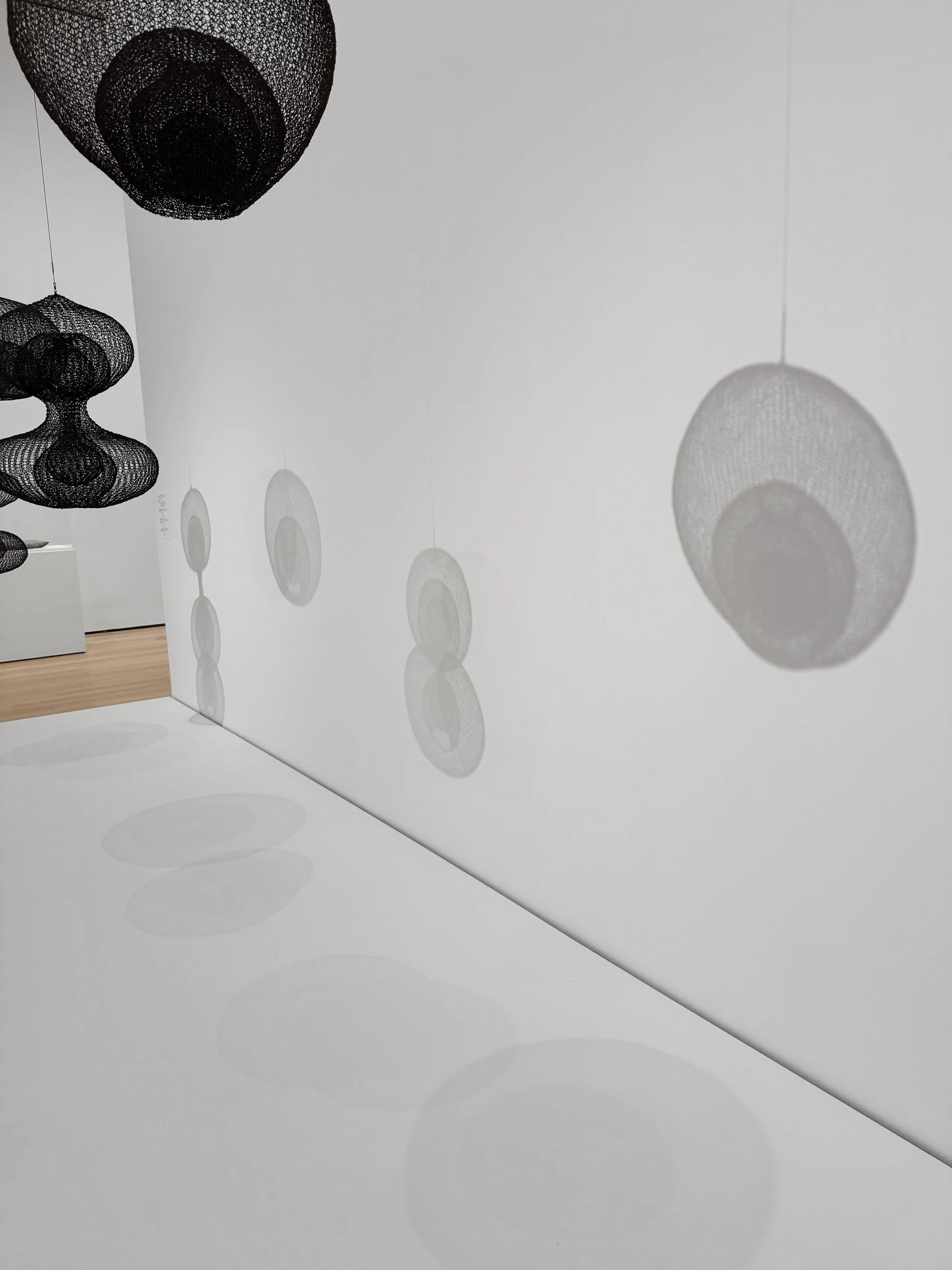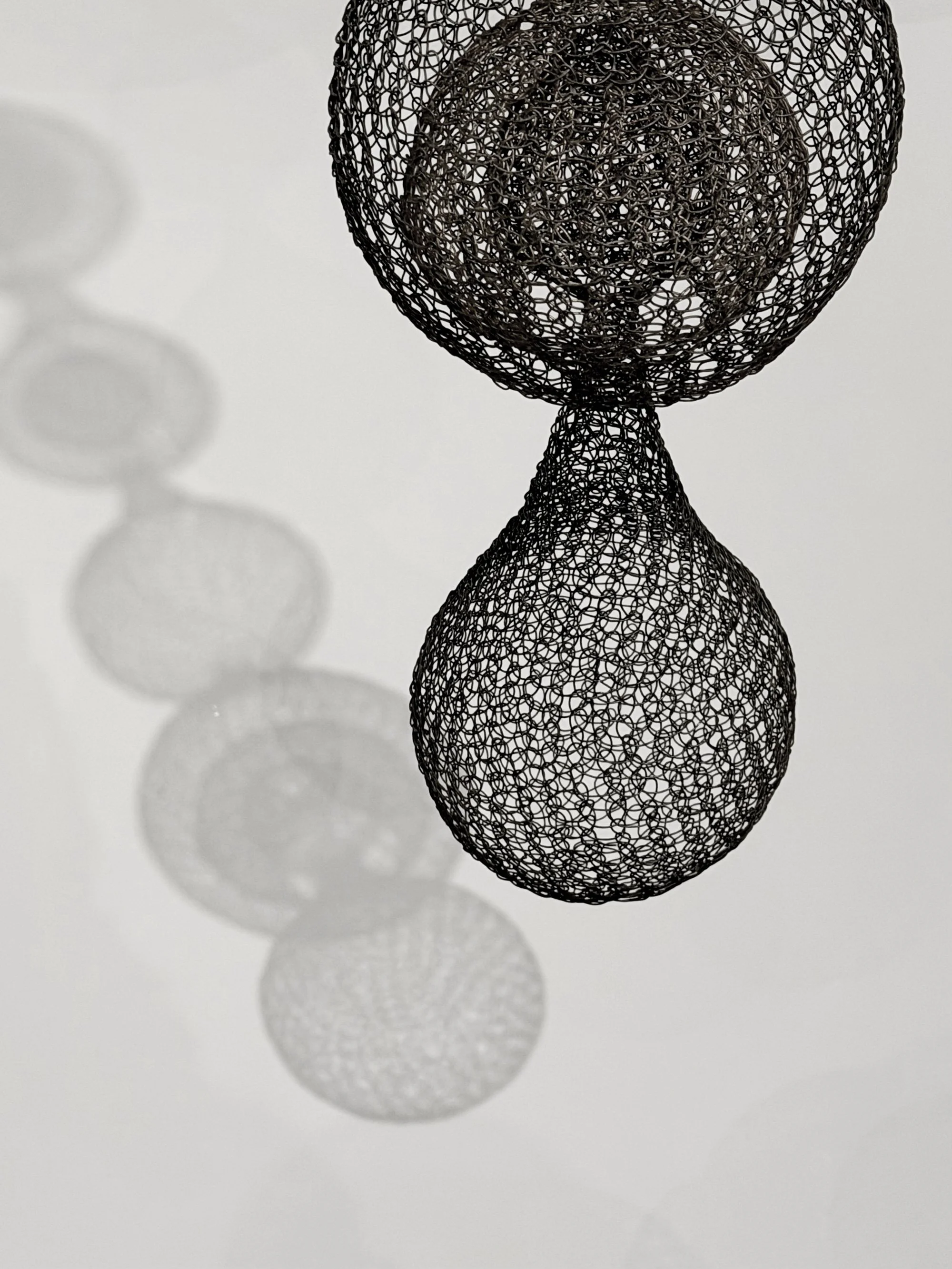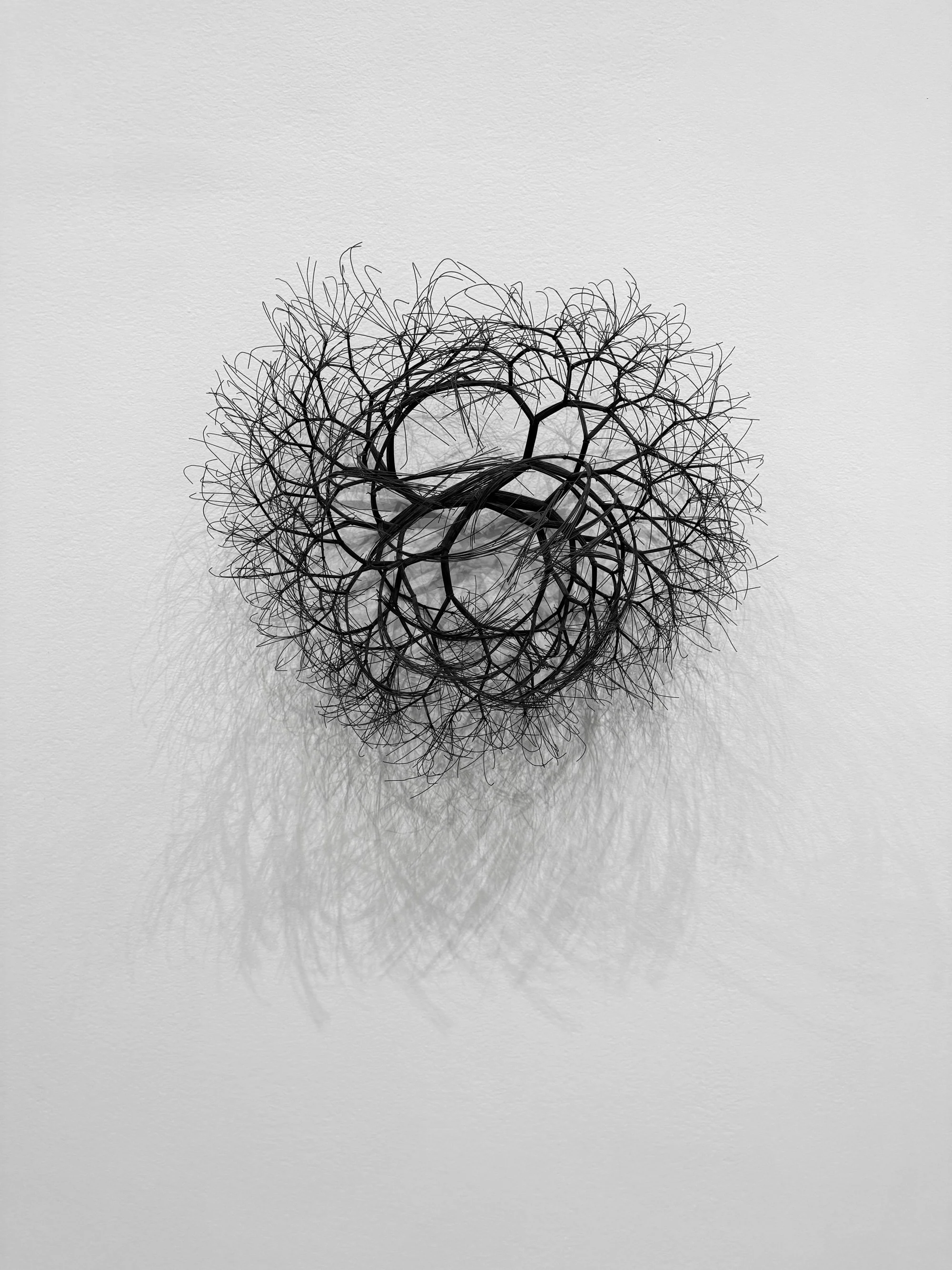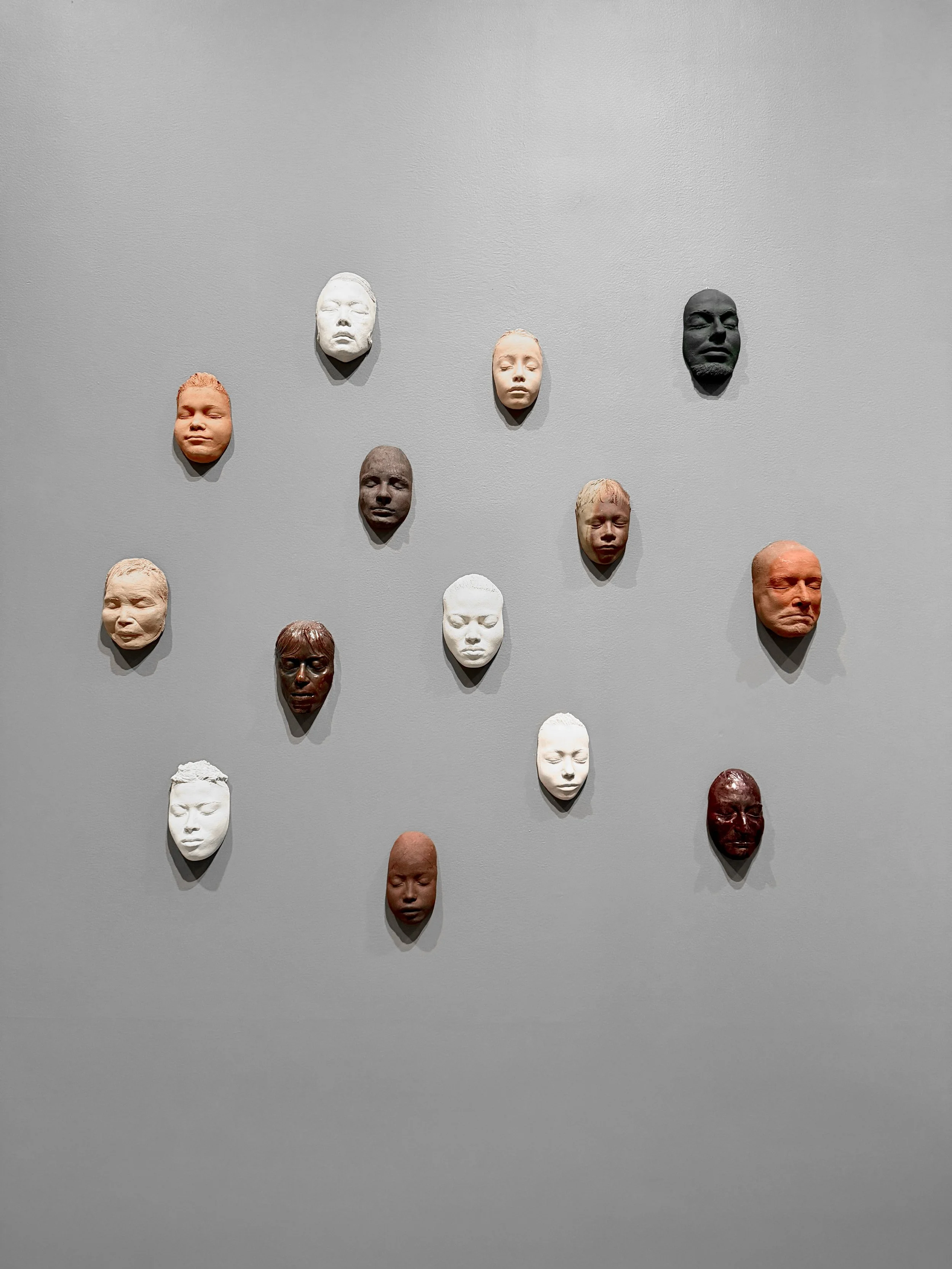

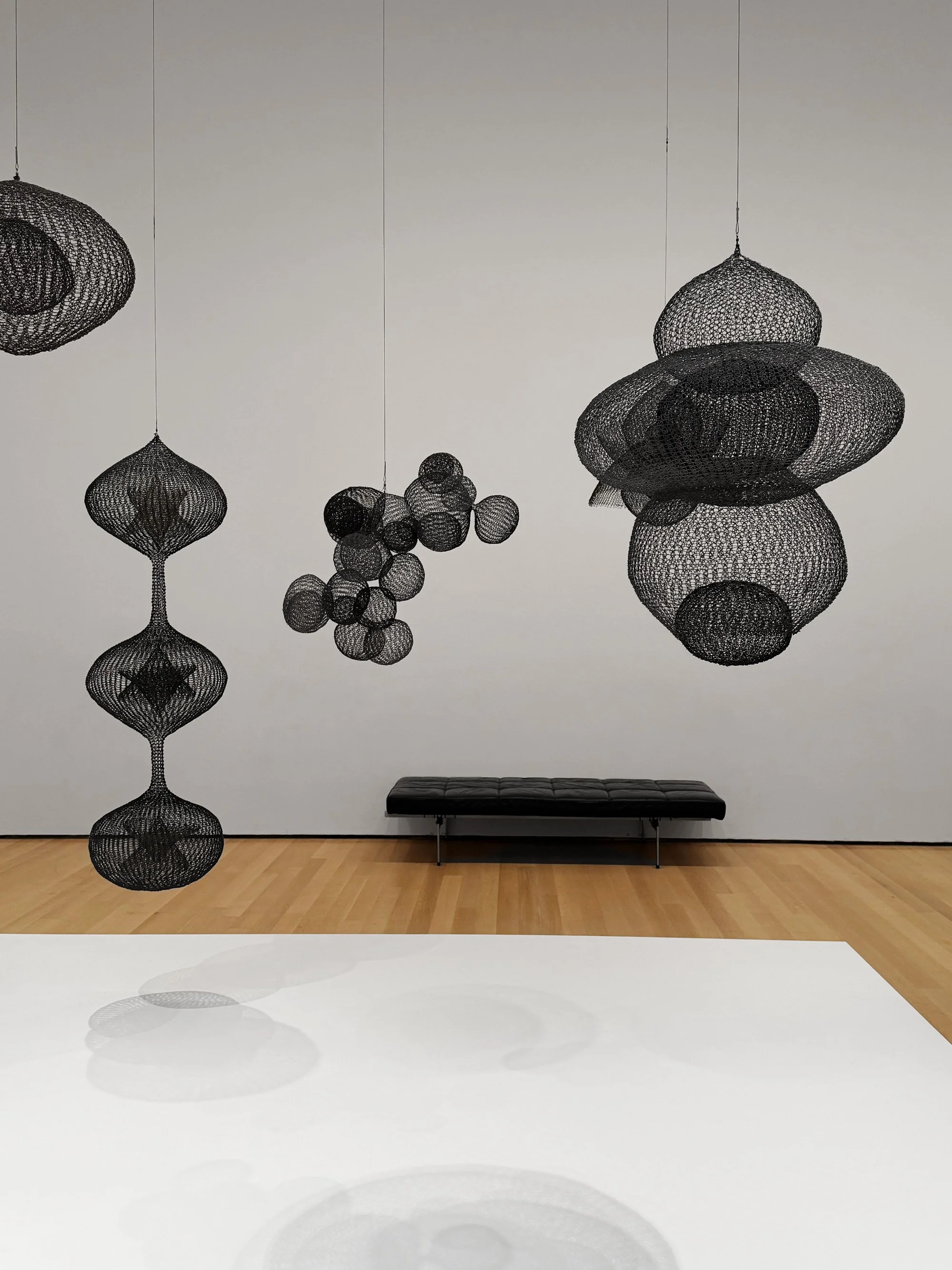
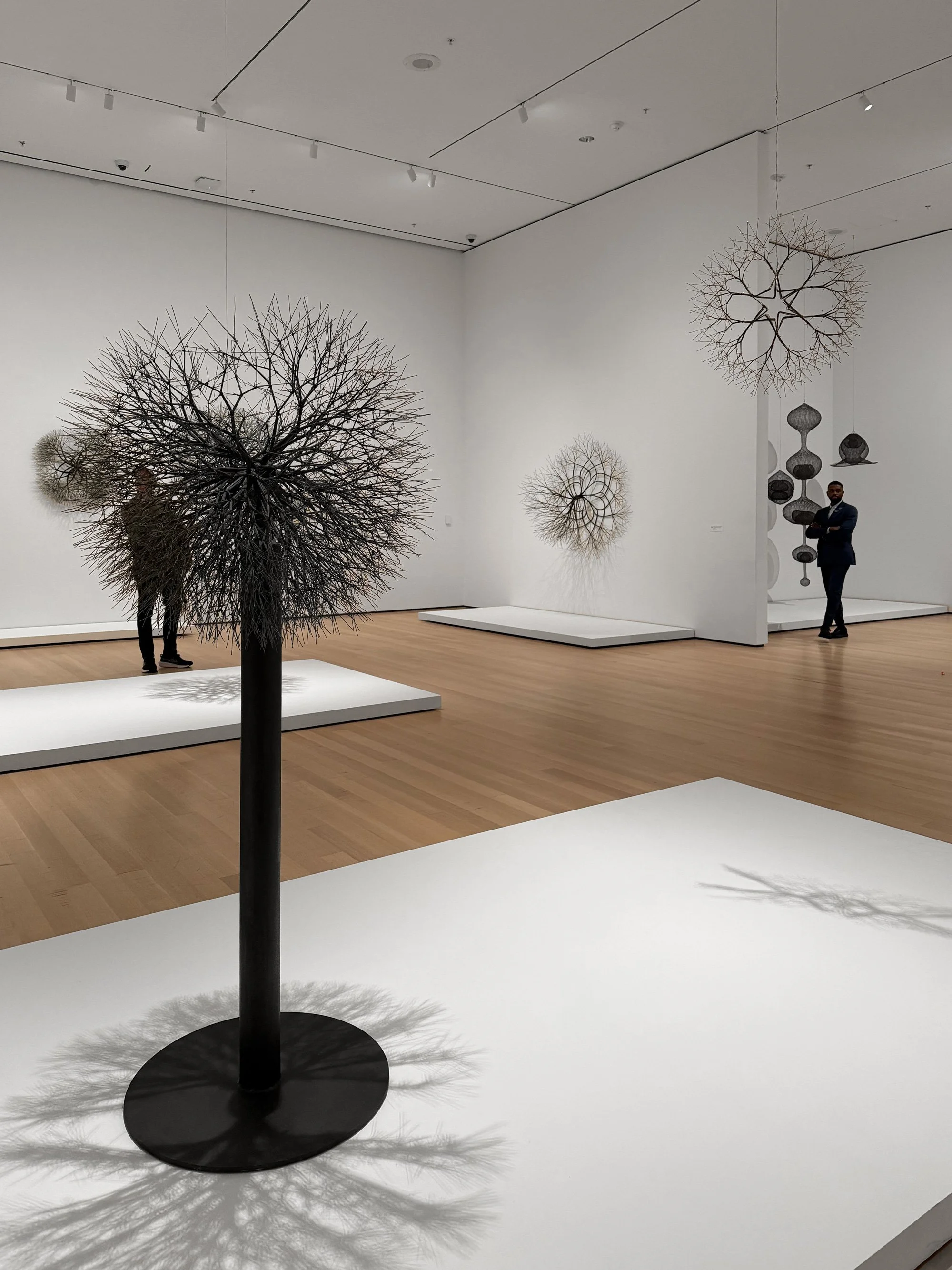
I recently visited the Ruth Asawa exhibition at MoMA, and it stayed with me long after I left the galleries. While her hanging wire sculptures are widely recognized, seeing her work in person—alongside drawings, studies, and early experiments—reveals a much deeper story about how she developed as an artist.
What struck me first was the sense of air and rhythm. The sculptures are light, almost weightless, yet unmistakably made by hand. Wire becomes line, line becomes volume, and volume becomes something quietly alive. Shadows are as important as form. As you move, the work moves with you.
Learning more about Asawa’s background adds an essential layer to this experience. During World War II, she and her family were incarcerated in a Japanese American internment camp. There, she learned basic drawing from fellow internees—artists who encouraged her to observe closely and work with what was available. Later, at Black Mountain College, she was exposed to an education that valued experimentation, material awareness, and learning through doing. This emphasis on process never left her.
Rather than separating fine art from craft, Asawa seemed to embrace repetition, labor, and humility toward materials. Her looped-wire technique feels almost like drawing in space—patient, intuitive, and guided by the hand. There is no sense of spectacle here; the work reveals itself gradually, through time and attention.
From my own perspective—someone drawn to Japanese craft and art traditions—the exhibition resonated strongly. Not because Asawa’s work tries to reference Japan, but because it shares a similar respect for making: the idea that mastery grows through repetition, that beauty emerges from restraint, and that everyday materials can hold quiet power.
What I appreciated most was seeing her curiosity across mediums—sculpture, drawing, prints, public works—and how consistent her voice remained throughout. The show doesn’t frame her as an isolated genius, but as an artist shaped by community, teaching, and continuous learning.
This is not an exhibition that demands explanation. It invites you to slow down, look carefully, and notice how something simple—wire, line, shadow—can become expansive. If you have the chance to see it, I highly recommend going in person. The experience of moving around the work, watching light pass through it, is something images alone can’t fully capture.
(Photos: installation views and details from the exhibition at MoMA)