
Traditional Oryoki Set
In a modern dining culture dominated by speed and multi-tasking, meals are frequently consumed while looking at screens, answering emails, or rushing against a clock. The Zen tradition of Oryoki (応量器) offers a direct antidote to this distraction, framing eating not as a break from mindfulness, but as the meditation itself. Translating to "the vessel that contains just enough," Oryoki is both a physical set of nested bowls and a living philosophy centered on conscious consumption.
This three-part editorial series provides a look into the tradition. We trace its historical development from early Buddhist mendicancy to the strict rules established by Zen Master Dogen, explore the structural utility of the set within modern Western practice, and detail the technical woodworking craftsmanship and care protocols required to preserve these vessels for a lifetime of daily use.
Part 2:
The Modern Practice
— Structural Utility in the West
While Oryoki was born in the monasteries of Japan, it has established a deep, functional home among Western practitioners. Across Europe and North America, secular meditators and lay sanghas use the set as a deliberate framework to counteract the velocity of modern consumer culture.
The Components of the Set
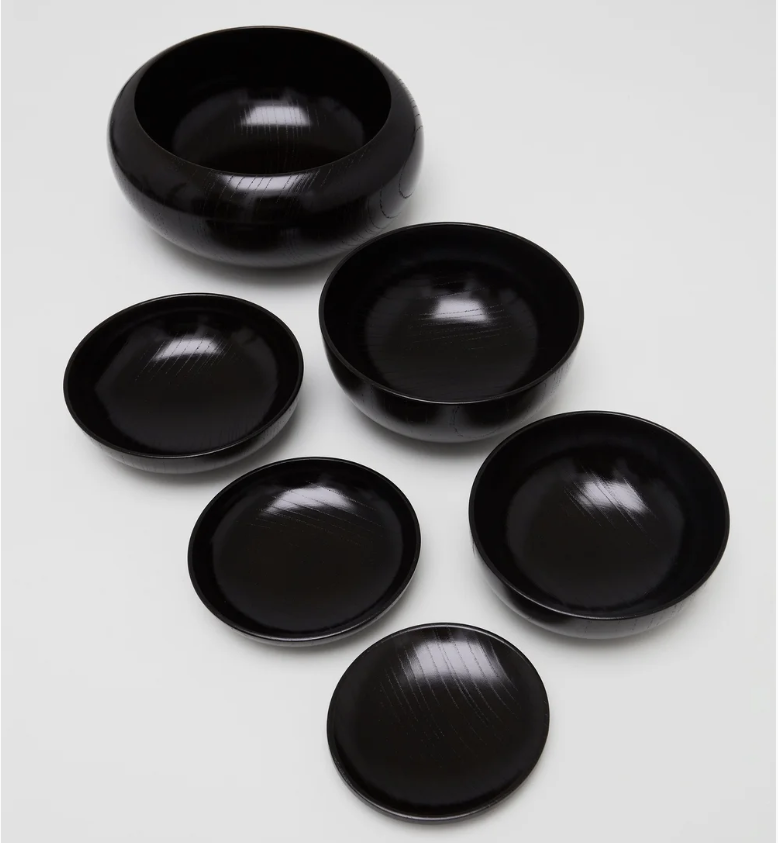
A classic Oryoki set is a masterpiece of compact, intentional design. It strips away extraneous tableware, consolidating everything needed for a complete meal into a single, self-contained unit:
• Zuishi (頭鉢): The largest, primary bowl, often referred to as the "Buddha Bowl." In traditional settings, it holds rice or morning rice porridge (ojiya / お粥).
• Secondary Bowls: Two to four smaller bowls that nest perfectly inside the zuishi, used for soups, pickled vegetables, and side dishes.
• Utensils: A wooden spoon (shaku / 杓) and bamboo chopsticks (hashi / 箸).
• Fukusa (袱紗) and Hattan (鉢単): The linen or cotton cloths used to wrap the set, lay out the place setting, and wipe the utensils dry. The exterior knot of the wrapped set is tied precisely to resemble a lotus flower.
The Choreography of Conscious Eating
In a formal Western zendo (meditation hall / 禅堂) or a structured home environment, the meal follows a silent, highly synchronized choreography. Every movement is deliberate, engineered to eliminate noise, waste, and distraction:
1. Unpacking: The cloths are untied and laid flat as a placemat. The nested bowls are unstacked silently using the thumbs placed along the interior rims.
2. Receiving: Food is brought by servers or portioned out intentionally. The practitioner uses a specific hand gesture—the gassho (合掌 / palms together)—to indicate readiness to receive food, and raises a single hand vertically to signal to the server that they have received "just enough."
3. Consumption: Practitioners sit upright, holding the bowl with both hands rather than leaving it on the table. This physical connection forces total focus on the weight, temperature, and quality of the food.
By removing streaming, smartphones, and casual conversation from the dining environment, the practitioner enters a direct, unmediated relationship with their nutrition. You consume only what your body requires, stopping precisely when physical nourishment is achieved.
— to be continued to Part 3
This article is part of our ongoing series on the Oryoki vessel and its rituals. Continue reading to learn about the craftsmanship and care of these sacred objects.
Objects Related to This Story

Discover the elegance of simplicity with the Oryoki by Kashoan Studio, a stunning six-piece lacquerware set in classic black.
Each piece is meticulously crafted to enhance the joy of everyday meals, embodying the essence of Zen Buddhist traditional dining practices.
Designed with beautiful, harmonious shapes, this set brings a sense of serenity and mindfulness to your culinary experience.
Perfect for those who appreciate the timeless beauty of minimalist design.
150mm D x 72mm H (5.91” x 2.83”)
492g (17.35oz)
Made of wood, lacquered by hand
KS01
Please refer to lacquerware care here.