
Stories
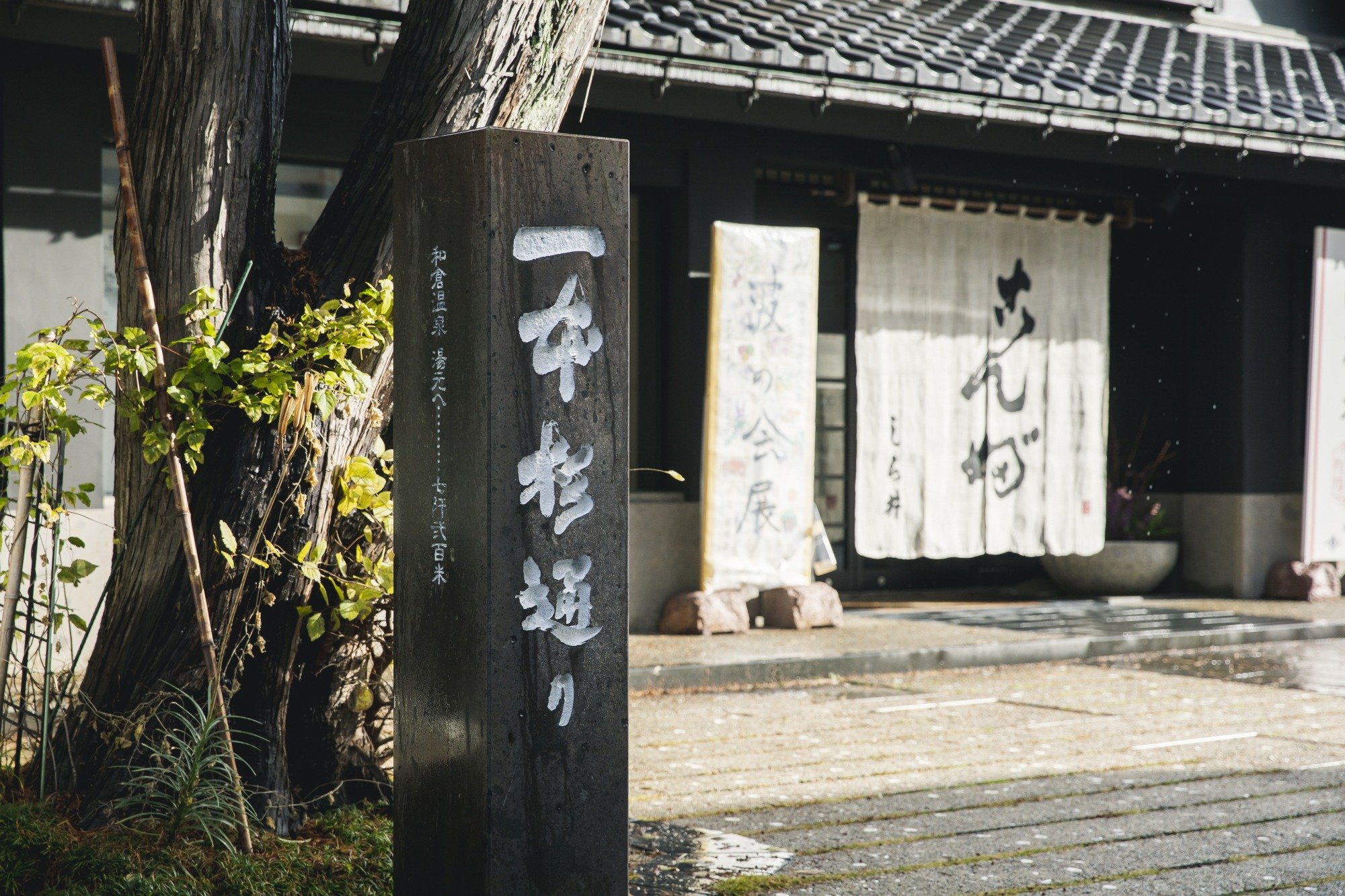
Where to Stay in Hokuriku: Ryokan, Boutique Inns, and Mountain Retreats
Staying in Hokuriku is as much about atmosphere as location. From riverside retreats in Toyama to minimalist hotels in Kanazawa and intimate inns in Fukui’s mountains, accommodations here reflect the region’s close relationship with nature and craft. These selected stays offer thoughtful design, seasonal cuisine, and a sense of place—making them ideal bases for exploring Hokuriku’s quieter landscapes and traditions.
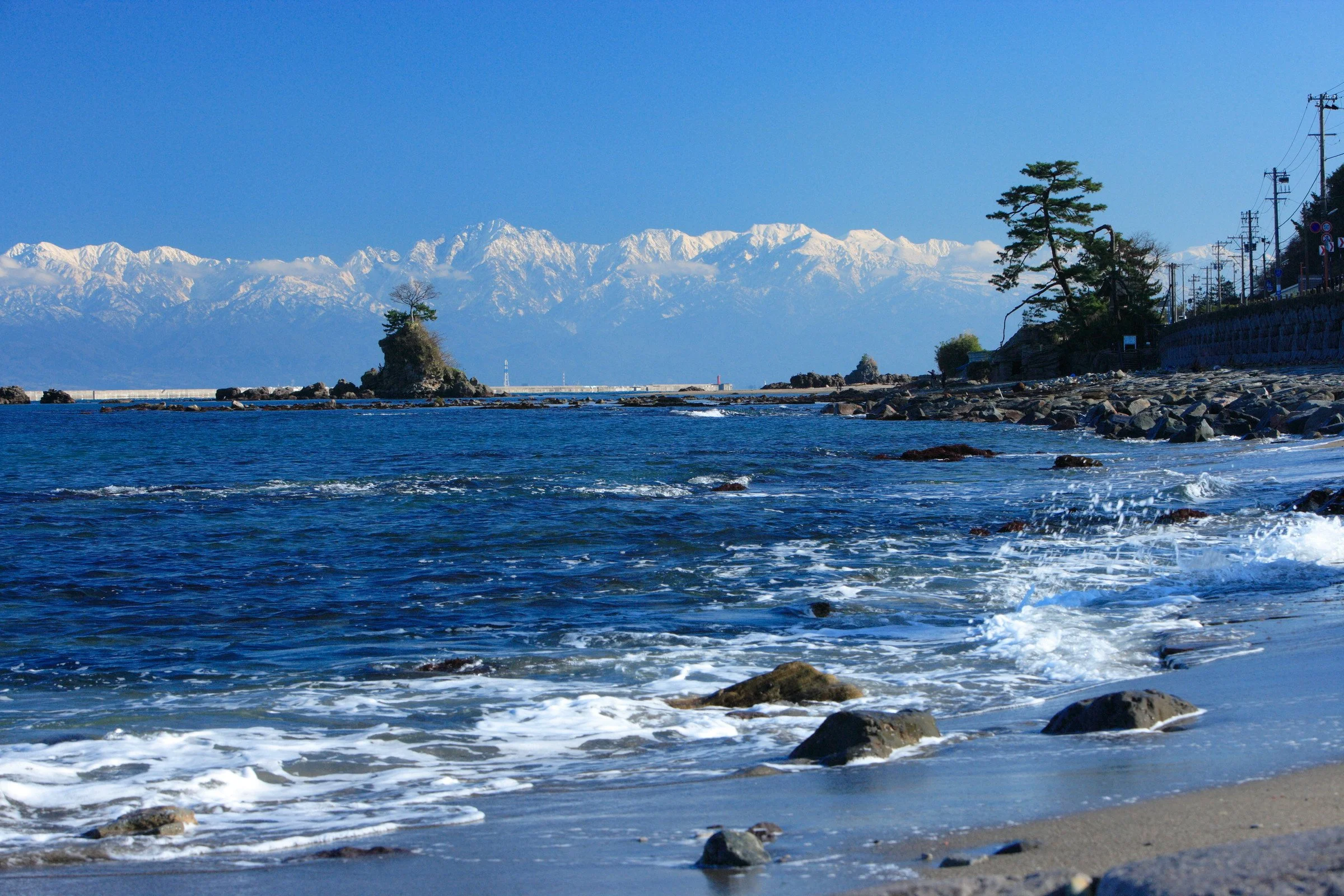
Hokuriku: Japan’s Quiet Coast of Craft, Cuisine, and Mountains
Hokuriku, stretching along Japan’s Sea of Japan coast through Toyama, Ishikawa, and Fukui, is a region shaped by mountains, water, and craft. Known for its heavy winters and rich natural resources, it has developed a culture rooted in food, making, and seasonal life. This four-part series explores Hokuriku through its landscapes, traditions, and daily practices—offering a slower, more intimate way to experience Japan beyond its major cities.
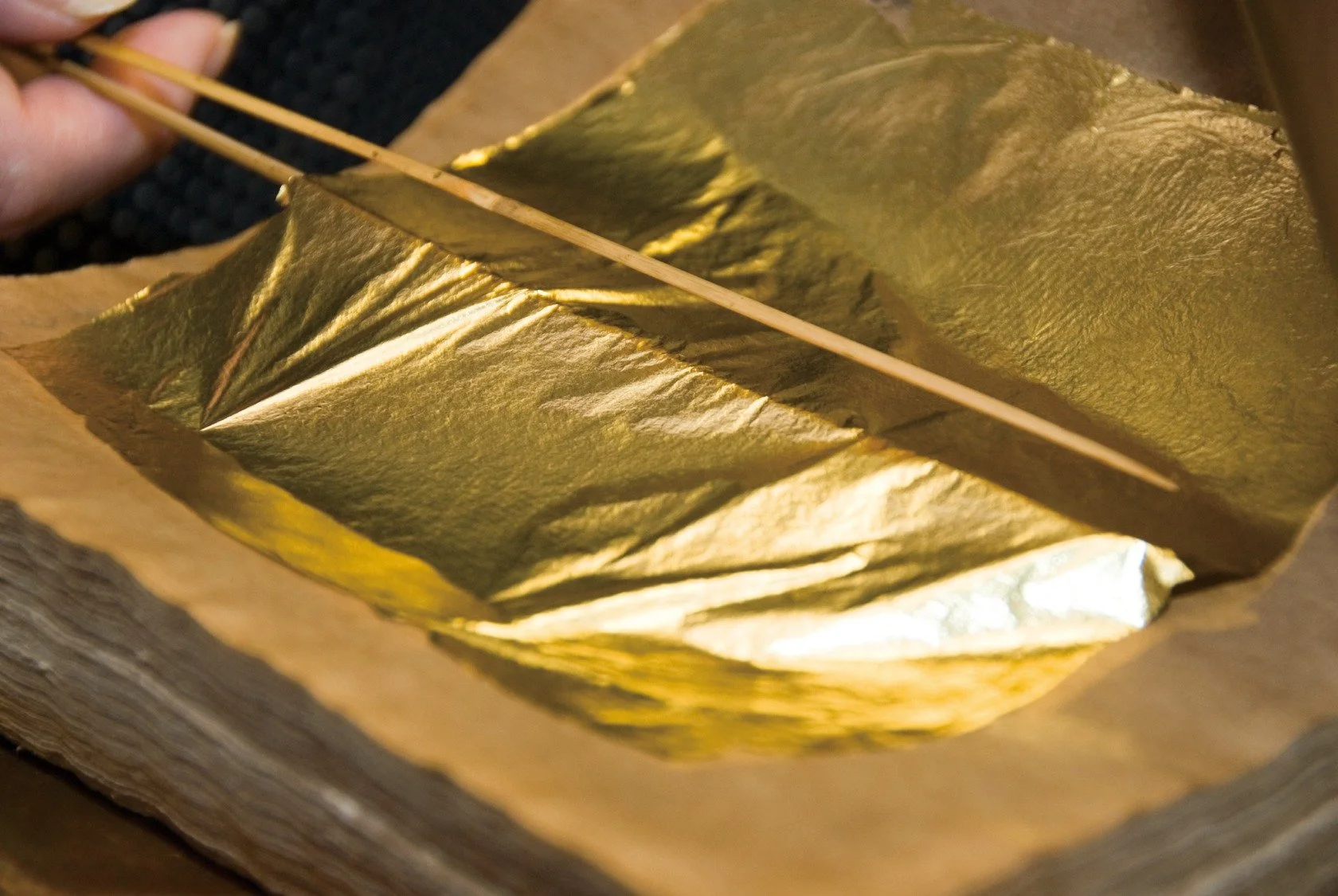
What to Do in Hokuriku: Crafts, Villages, and Living Traditions
Hokuriku offers experiences rooted in making, movement, and quiet observation. Visitors can explore centuries-old villages, walk through preserved geisha districts, and witness traditional crafts such as metal casting, knife making, and washi paper production. In Ishikawa, long-established traditions of lacquerware and Kutani ceramicware reveal how surface, form, and function evolve through generations of artisans. From moss-covered shrine paths to hands-on workshops and Zen meditation, these activities show how history and daily life remain closely intertwined across Toyama, Ishikawa, and Fukui.
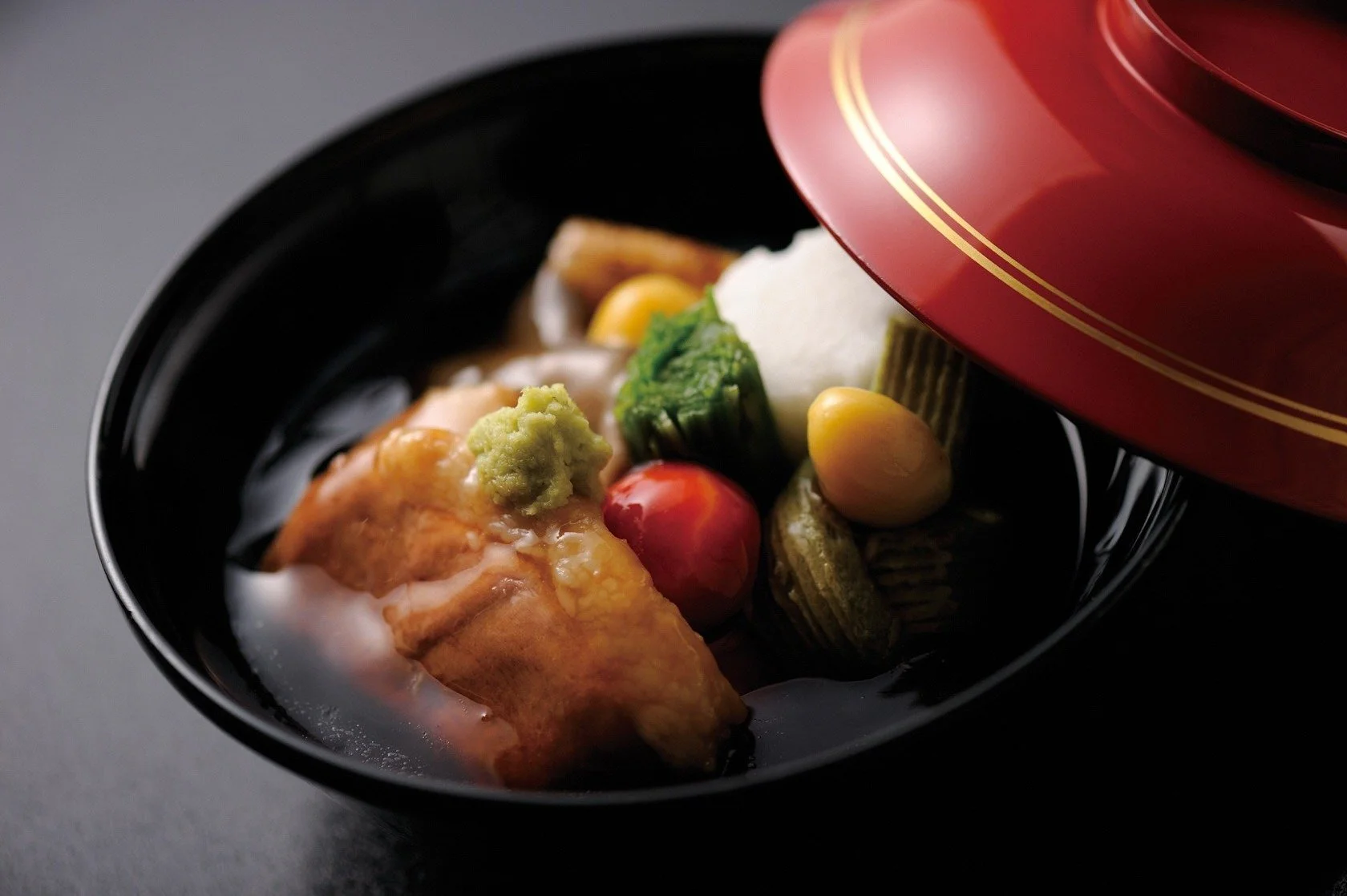
Where to Eat and Drink in Hokuriku: Ramen, Sushi, Soba, and Sake
Hokuriku’s cuisine is shaped by its geography, where alpine rivers meet the deep waters of the Sea of Japan. From Toyama’s famously fresh sushi and rich black ramen to handmade soba in Fukui and centuries-old sake breweries in Kanazawa, food here reflects both abundance and restraint. This chapter of the series focuses on local specialties and the artisans behind them, revealing how regional ingredients and tradition define the Hokuriku table.

Kiriko Glass Art: A Timeless Japanese Tradition
Kiriko Day celebrates Japan's timeless glass art, showcasing the intricate craftsmanship of Edo and Satsuma Kiriko. These beautifully cut and colored glass pieces blend tradition with modern elegance. Honored in Japan and admired globally, Kiriko reflects the enduring artistry of Japanese culture, making it a symbol of beauty and innovation in both décor and everyday life.
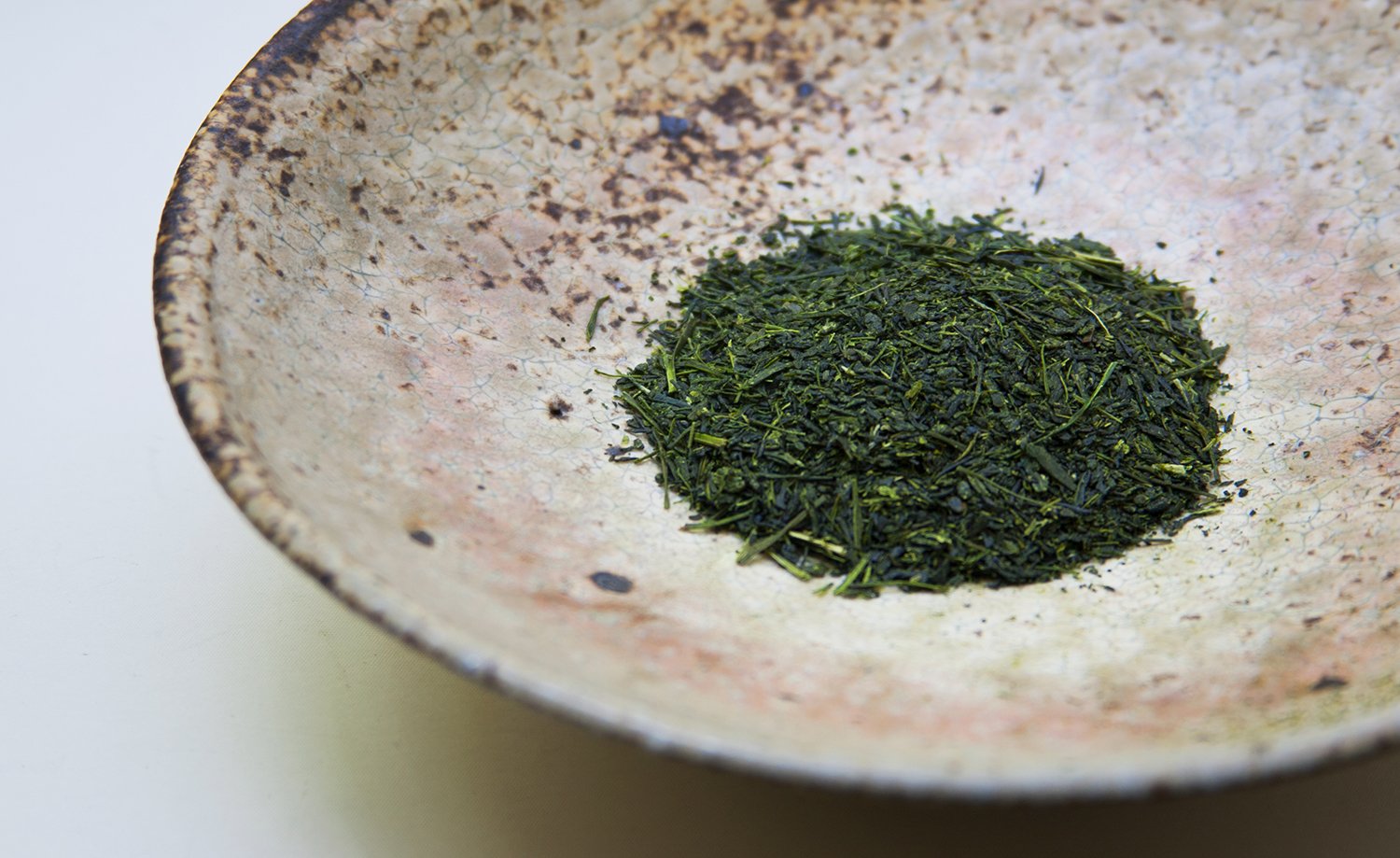
Ocha Nouveau
Spring brings an exciting time for green tea lovers—shincha season! Shincha (新茶), meaning “new tea,” is the first flush of Japanese green tea, handpicked in early spring and celebrated for its delicate flavor, enticing aroma, and invigorating freshness. Unlike other green teas, shincha is lightly processed, capturing the essence of the season in every sip. Available for a limited time, this fleeting treasure is cherished in Japan and beyond. If you’re lucky enough to find shincha near you, don’t miss the chance to savor this once-a-year delight!
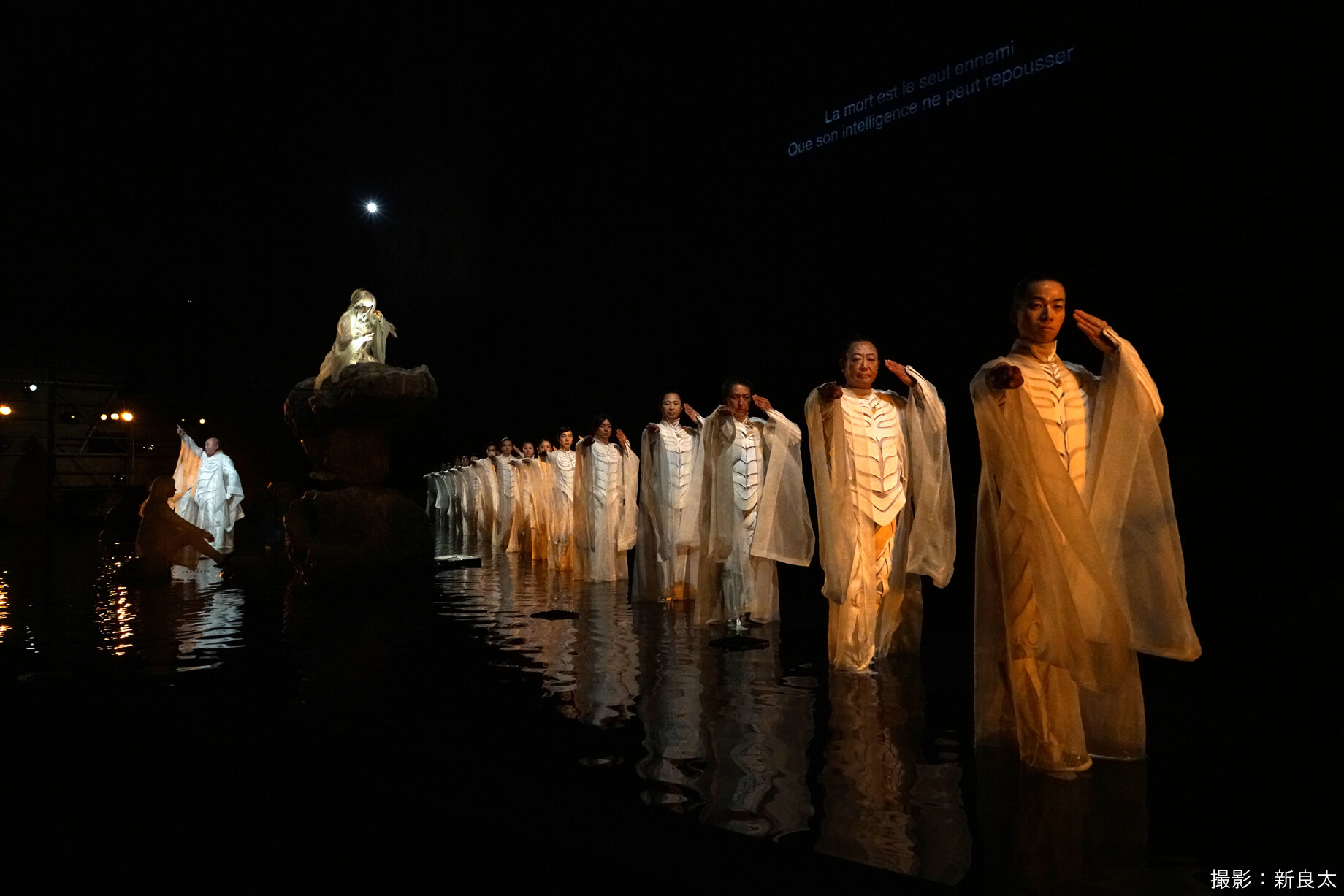
Antigone - Japanese view of life and death
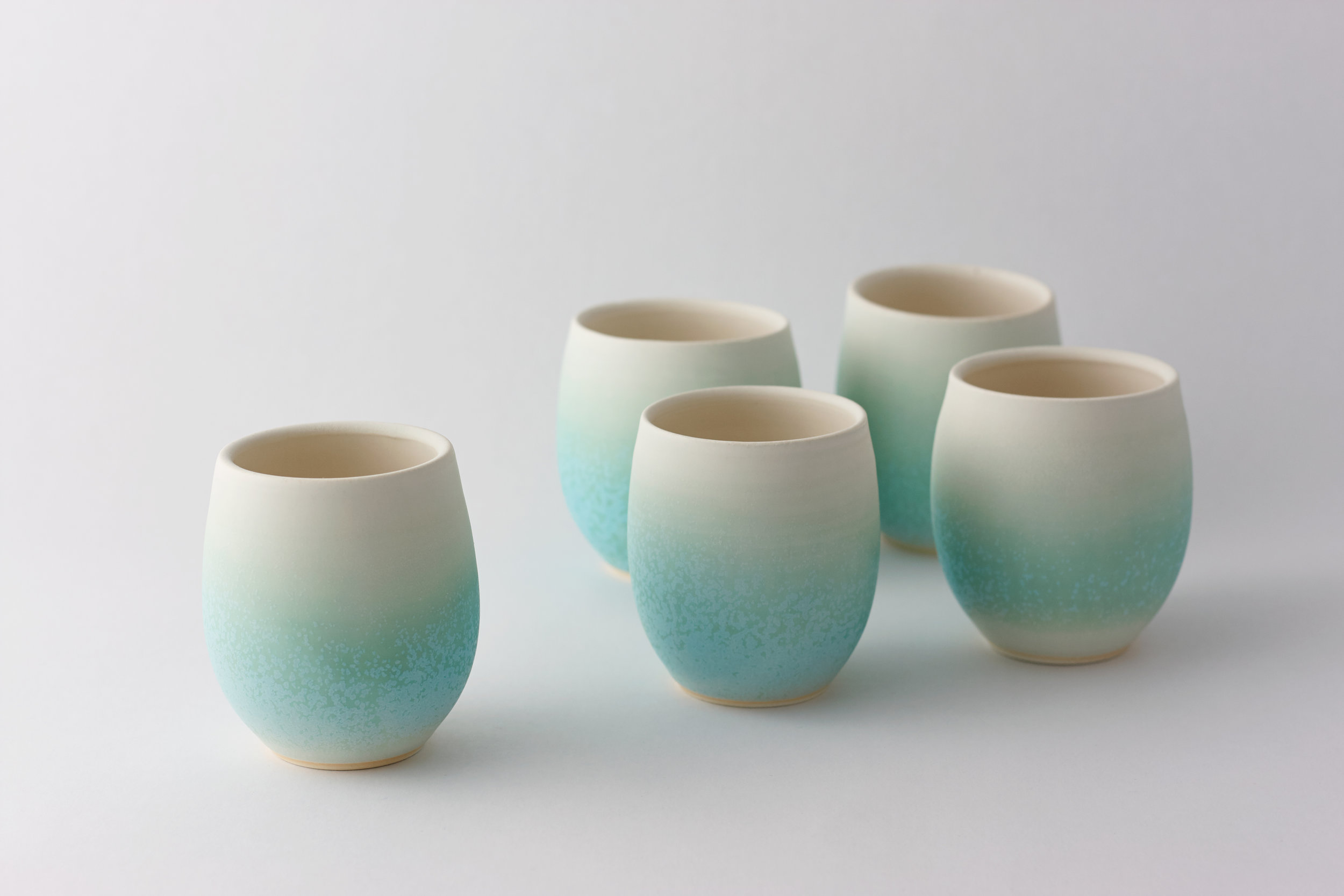
Introducing Ryuji Iwasaki

Encounter with the new talent
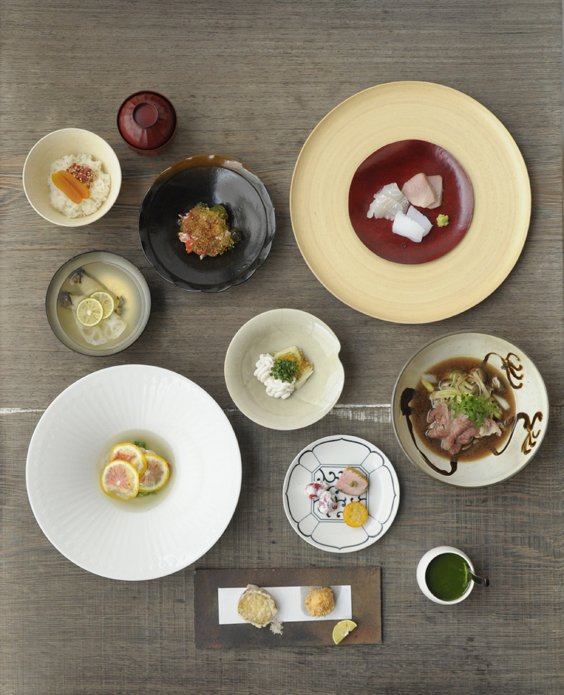
Experiencing a memorable holiday in kyushu

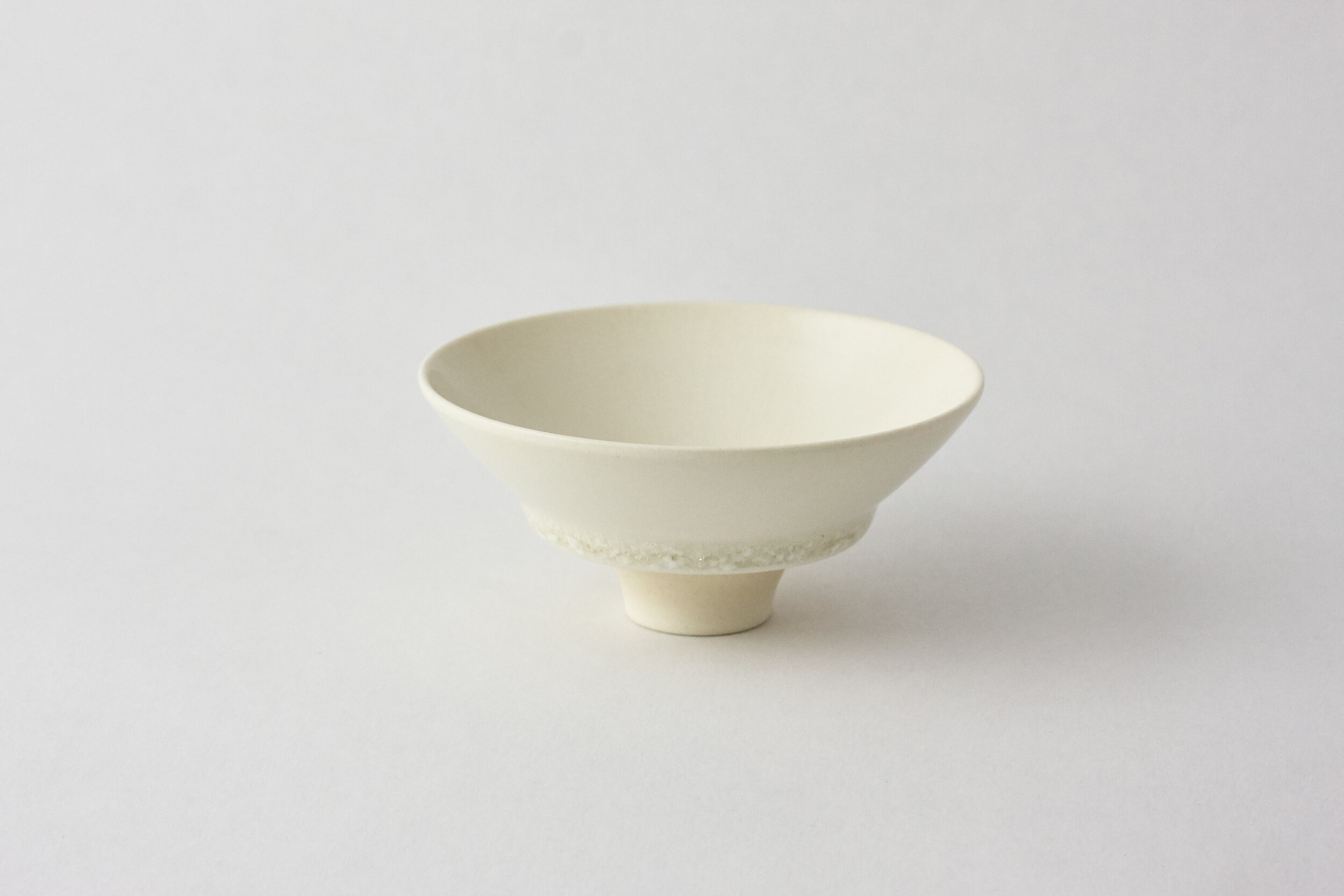
Coming soon! — New ceramic works from Japan Suite
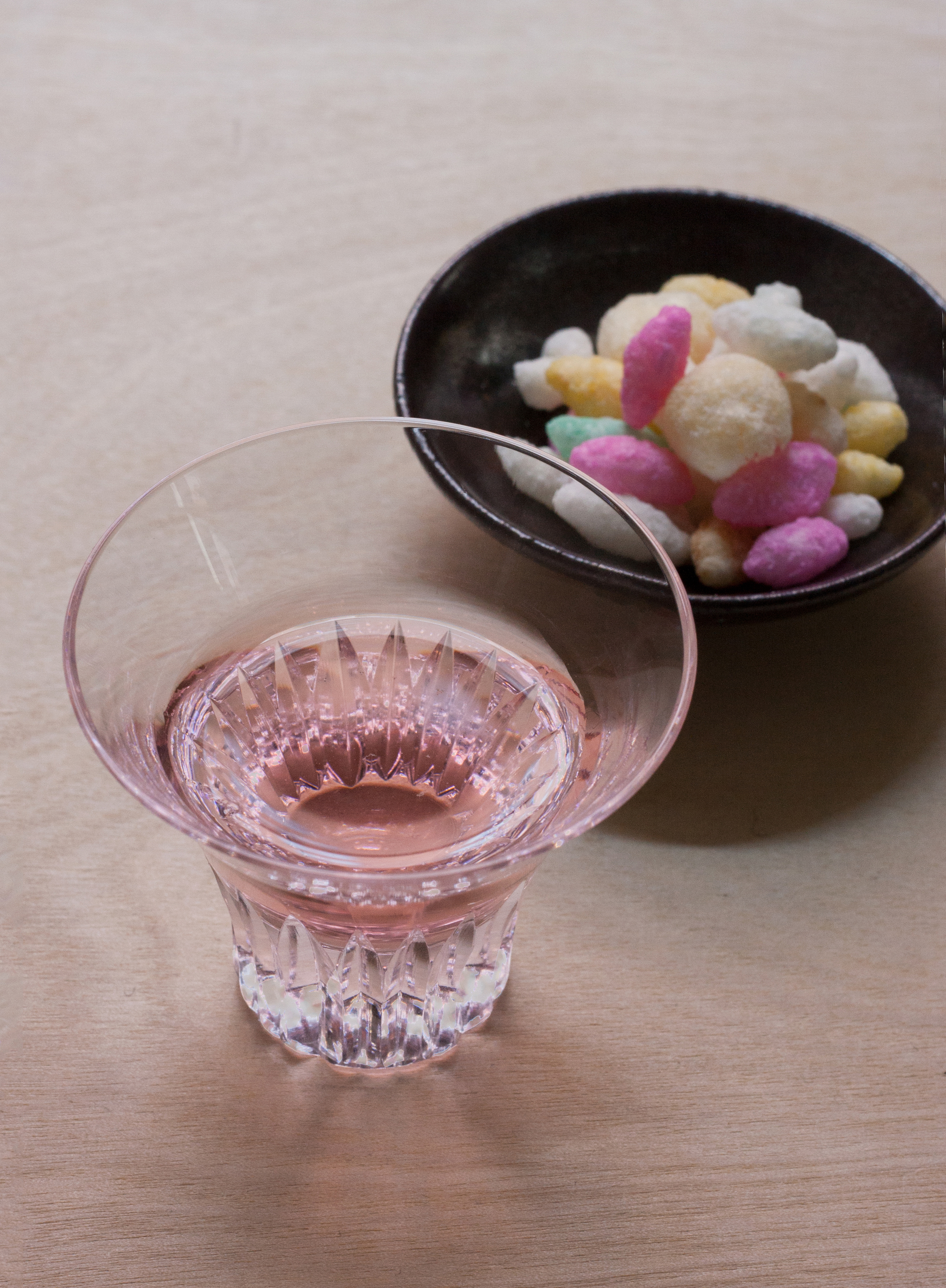
Namazake: A Fresh and Lively Early Sign of Spring in a Glass
Matcha Storms New York!

The Simple Truth

Rebirth and Regeneration: Salt of the Art