

Welcoming the Year in Japan — Oshōgatsu Traditions at Home
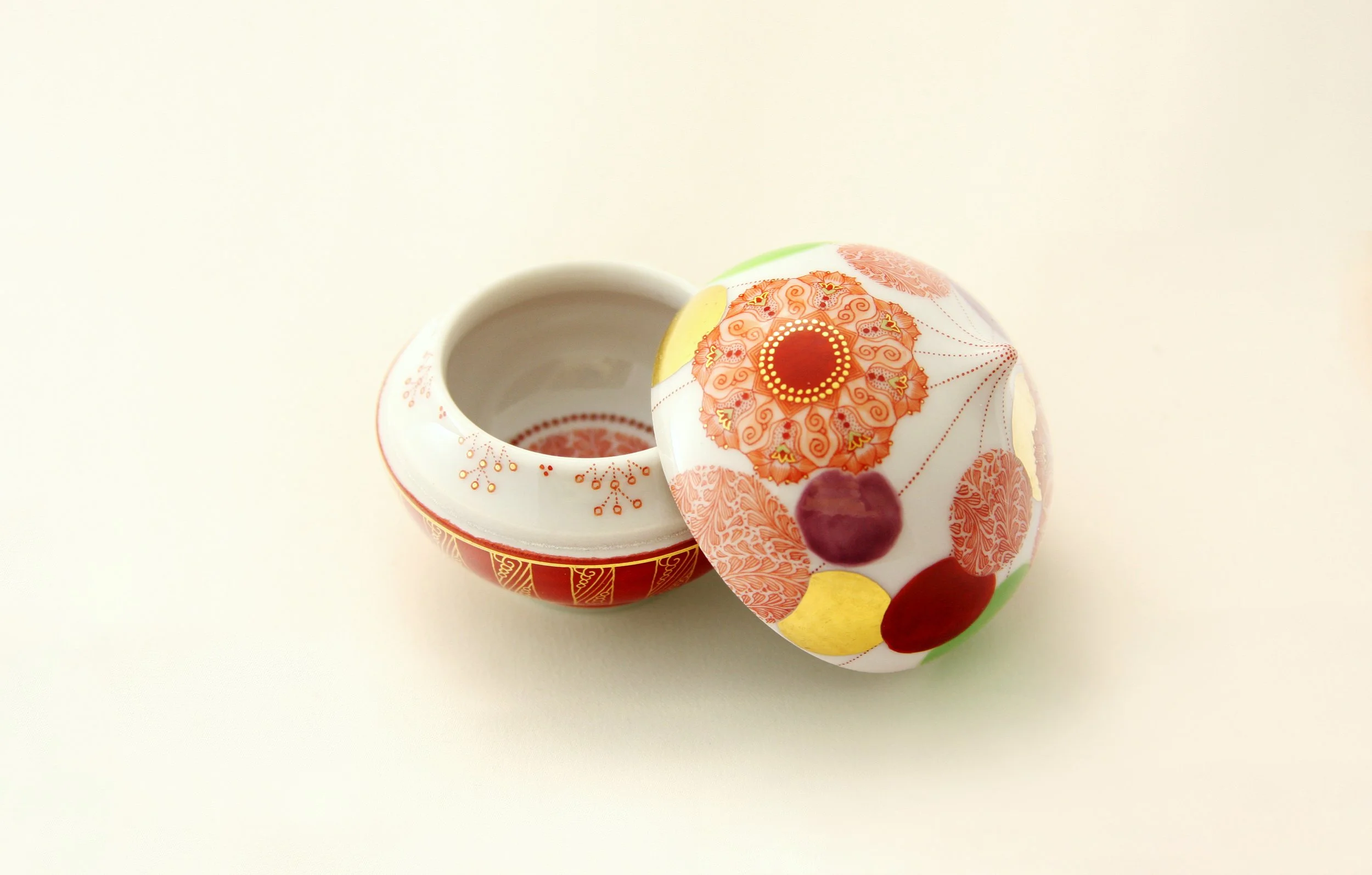
Festive Sake Vessel from Japan
お正月を迎えるにあたって ― 家庭での日本の伝統
In Japan, the New Year, or Oshōgatsu, is not simply a calendar change — it is a season of reflection, renewal, and quiet celebration. Homes are prepared with care, food is thoughtfully arranged, and families come together to mark the passage from one year to the next.
The rituals are simple yet meaningful, blending everyday life with centuries of cultural continuity.
Preparing the Home
Leading up to Oshōgatsu, families clean their homes thoroughly — a practice known as Ōsōji — ensuring that the space is ready to welcome the new year with clarity. Entrances are adorned with shimekazari, twisted rice-straw decorations that invite good fortune while keeping misfortune at bay.
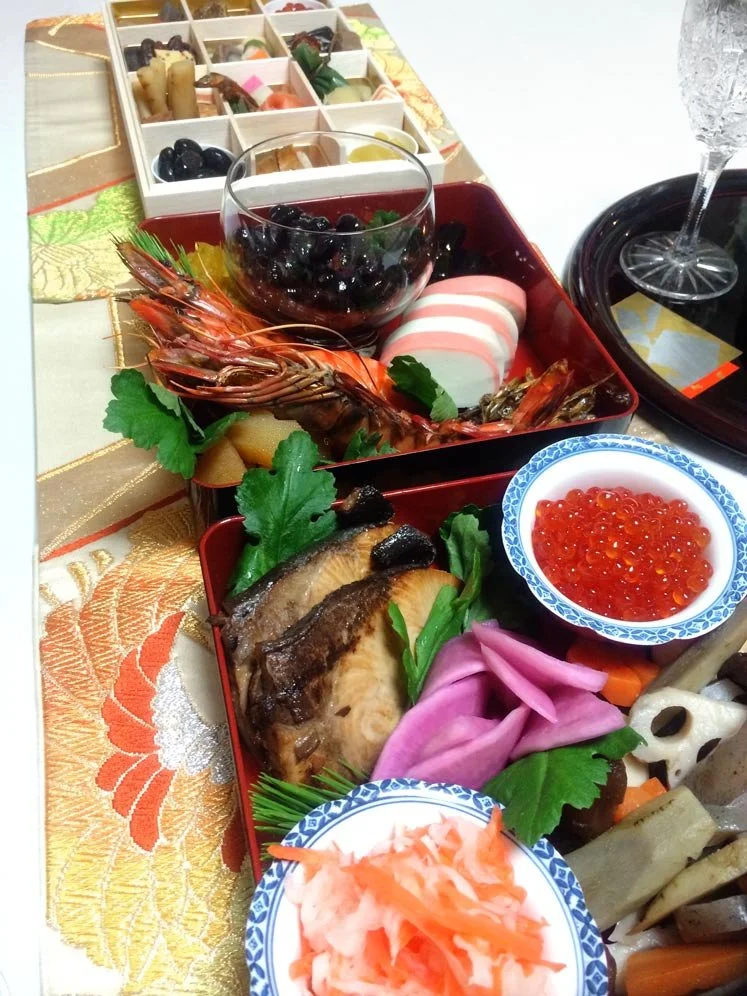
New Year’s Dinner
Celebrating with Food
Osechi-ryōri, colorful layered dishes presented in lacquer boxes, are carefully prepared to symbolize health, happiness, and longevity. Alongside these, families serve ozōni, a comforting soup with mochi rice cakes, each region offering a slightly different version.
The preparation and presentation of these dishes are themselves a celebration of craft, reflecting centuries of culinary artistry and attention to detail.
First Visits and Quiet Reflection
On New Year’s Day, many families make their hatsumōde, the first shrine or temple visit of the year, offering prayers and wishes. At home, families exchange greetings and pause to reflect on the year past and the one to come.
Objects and Craft: Everyday Gifts of Tradition
From the lacquer boxes used for osechi to the bowls for ozōni, everyday objects in Oshōgatsu carry subtle craftsmanship. These items are both functional and symbolic, bridging centuries-old tradition with modern Japanese life.
Many of these objects also inspire the Japanese gift tradition, quietly connecting cultural ritual with thoughtful gifting.
Oshōgatsu reminds us that how the year begins matters, not through grand gestures, but through care, attention, and the quiet rhythm of everyday life.
This post is part of our ongoing series on Japanese Seasonal Rituals, exploring how traditions like Oshōgatsu, year-end celebrations, Setsubun, cherry blossom season and Tanabata quietly mark the passage of time throughout the year.