

The Vernal Equinox in Japan — A Moment of Balance

春を迎える静かな節目
In Japan, the Vernal Equinox, or Shunbun, marks a quiet turning point in the year. Day and night reach equal length, and the long stretch of winter gives way to the first signs of spring.
Rather than celebration, this moment invites balance, reflection, and attentiveness—a pause that acknowledges both what has passed and what is beginning to emerge.
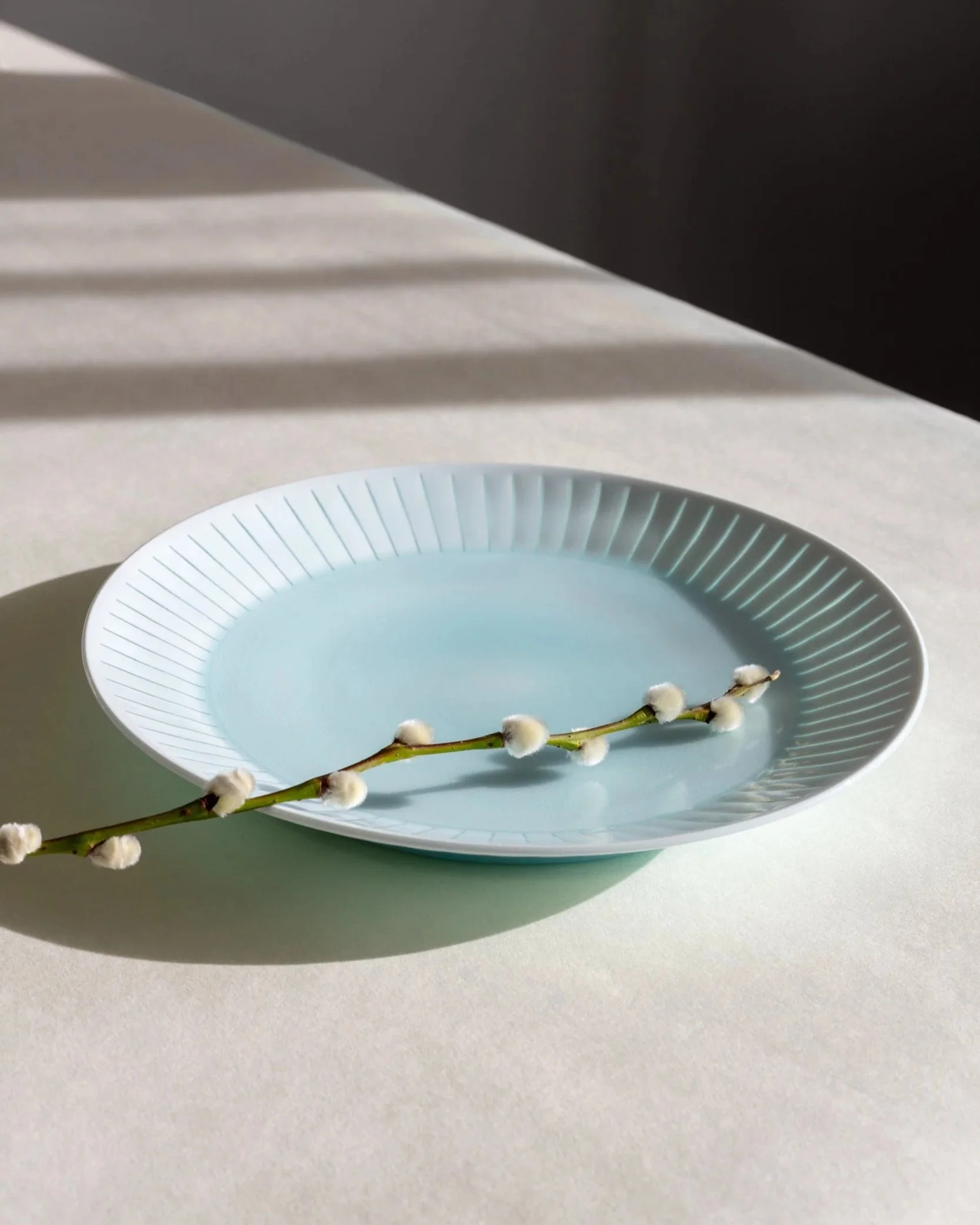
A Seasonal Threshold
The equinox has long been observed as a time when nature finds equilibrium. In everyday life, it signals subtle changes: longer daylight, softer air, and the gradual return of color to the landscape.
This awareness of seasonal shift reflects a Japanese sensitivity to time—not measured only by dates, but by changes in light, temperature, and atmosphere.
Shunbun and Reflection
The Vernal Equinox is also connected to Higan, a Buddhist observance centered on remembrance and reflection. Families may visit graves, tidy memorial spaces, and offer flowers or incense, quietly honoring those who came before.
These acts are modest and unspoken, reinforcing the idea that reflection does not require ceremony—only attention.
Everyday Life at the Equinox
At home, the equinox may pass without formal ritual. Instead, it is felt through small adjustments: airing out rooms, preparing lighter meals, or spending more time outdoors.
These everyday responses to seasonal change express a deeper cultural value—living in rhythm with nature rather than against it.
Balance as a Way of Living
The Vernal Equinox reminds us that balance is not something to achieve once, but something to revisit again and again. It exists between seasons, between light and shadow, and between endings and beginnings.
In this way, Shunbun offers a gentle framework for moving forward—grounded, attentive, and open to what lies ahead.
This article is part of our ongoing series on Japanese Seasonal Rituals, exploring how moments like Setsubun, year-end traditions, and cherry blossom season quietly shape the rhythm of the year.
Objects Related to This Story

This exquisite guinomi by Tsukasa Momota is a perfect example of traditional Japanese craftsmanship with a contemporary twist. Carefully handcrafted using fine porcelain, it draws inspiration from nature, with delicate patterns reflecting elements of the natural world. Momota’s attention to detail and mastery of age-old techniques are evident in each piece, with every curve and design thoughtfully executed.
More than just a functional sake cup, this guinomi is a work of art that enhances your drinking experience. Its organic patterns inspired by nature speak to the harmony between tradition and modern design, making this piece a timeless addition to your collection.
Perfect for collectors or those looking to elevate their sake ritual, this guinomi celebrates Japan’s rich artistic heritage, reimagined for today’s world.
approx. 65mm x 58mm (2.56” x 2.28”)
TM10
Note: These are all made by hand, so each one may differ slightly from the photo and listed measurements.
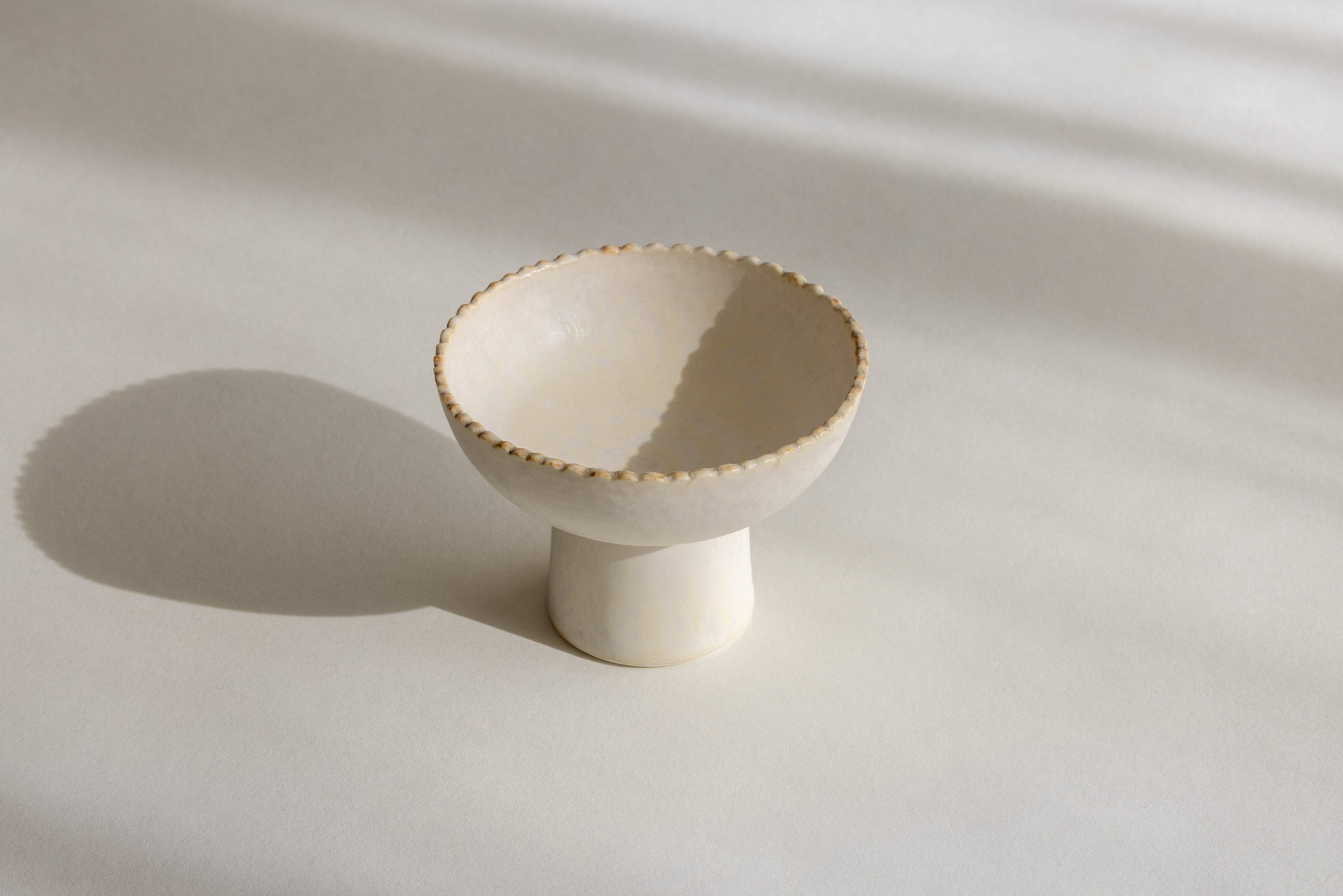
Softly luminous and poised on an elegant foot, this Cream Pedestal Bowl carries the same serene white glaze used in Aya Yuki’s Cream Katakuchi. The glaze was originally developed at the request of a chef in Noto, who envisioned vessels worthy of offering dishes before the divine. Deeply moved by this intention, Yuki continues to explore the glaze for its quiet purity and subtle texture.
As the clay and glaze react in the kiln, fine tonal variations emerge—creating a soft, matte surface with gentle depth and a calm, natural presence.
approx. 105mm D x 73mm H (4” x 3”)
$125
AY11
These are all made by hand, so each one may differ from the photo and listed measurements.
クリーム高台鉢
結城彩
柔らかな光沢をたたえたこの「クリーム高台鉢」は、「クリーム片口」と同じ釉薬を使用しています。能登でレストランを営む料理人からの依頼で生まれた釉薬で、神前に供える料理の器を思わせるその発想に、作家は深く心を動かされたといいます。
焼成の際に土と釉薬が穏やかに反応し合い、表面に繊細な揺らぎや奥行きが現れます。高台のかたちが器全体に静かな品格を与え、シンプルでありながらも、深みのある存在感を放っています。
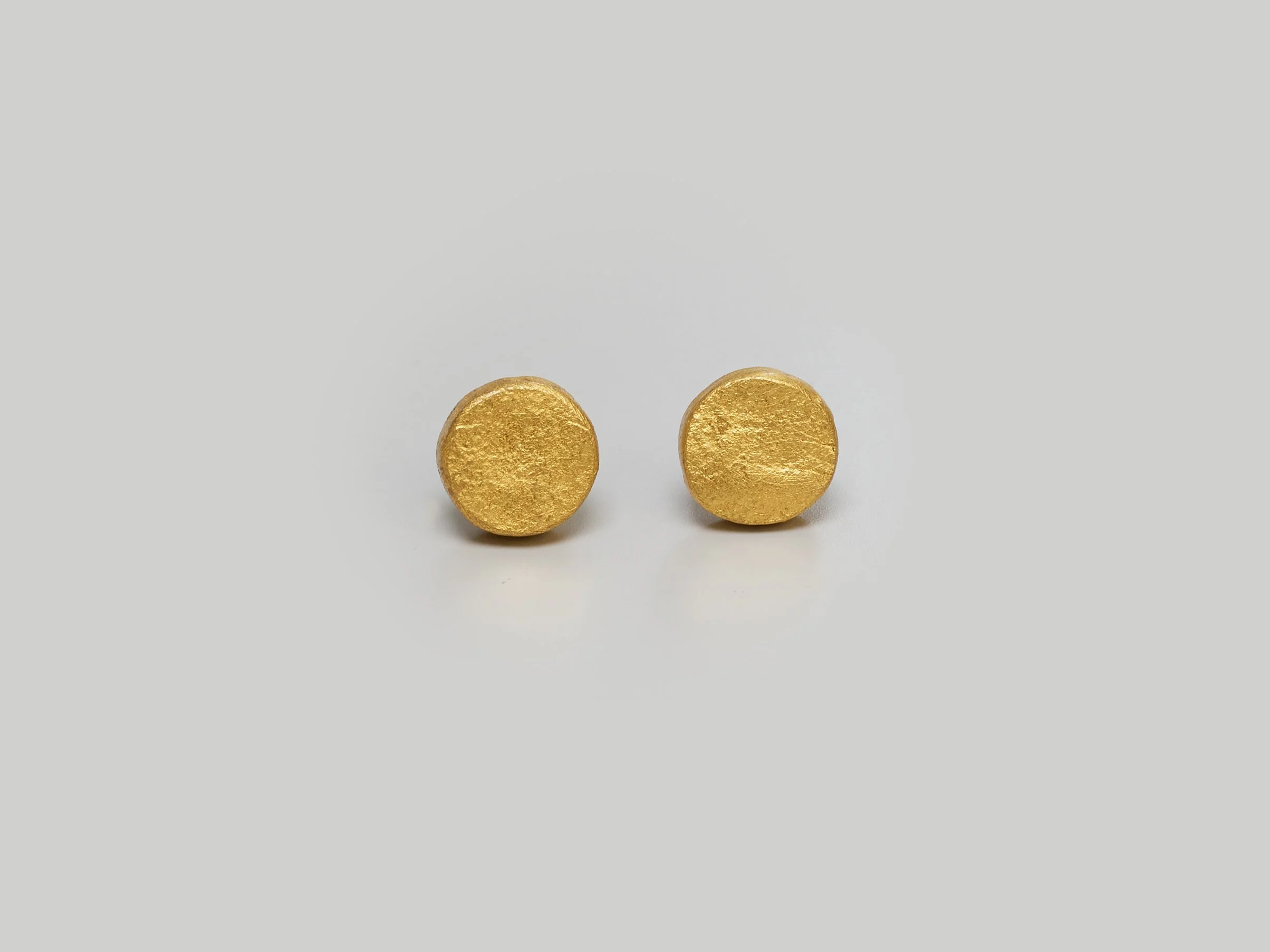
These elegant earrings from Takano Bamboo are made from hand-cut segments of bamboo, paired with titanium posts for comfort and durability. The soft sheen of the gold-finished surface highlights the bamboo’s natural ridges—known as fushi (節)—offering a form that is both simple and full of organic presence.
Bamboo has long been cherished in Japan for its strength, resilience, and quiet beauty. It grows quickly, requires no replanting, and thrives with little water—making it one of the most sustainable natural materials. For over a century, Takano Bamboo has crafted refined, functional pieces in Kyoto using time-honored techniques.
Lightweight, understated, and kind to both the body and the earth, these earrings make a thoughtful gift—for yourself or someone who values design rooted in nature.
These are all made by hand, so each one may differ from the photo and listed measurements.
Material: Bamboo, titanium
Approx. 8mm D (0.3" D)
Come in a gift box
TB16