

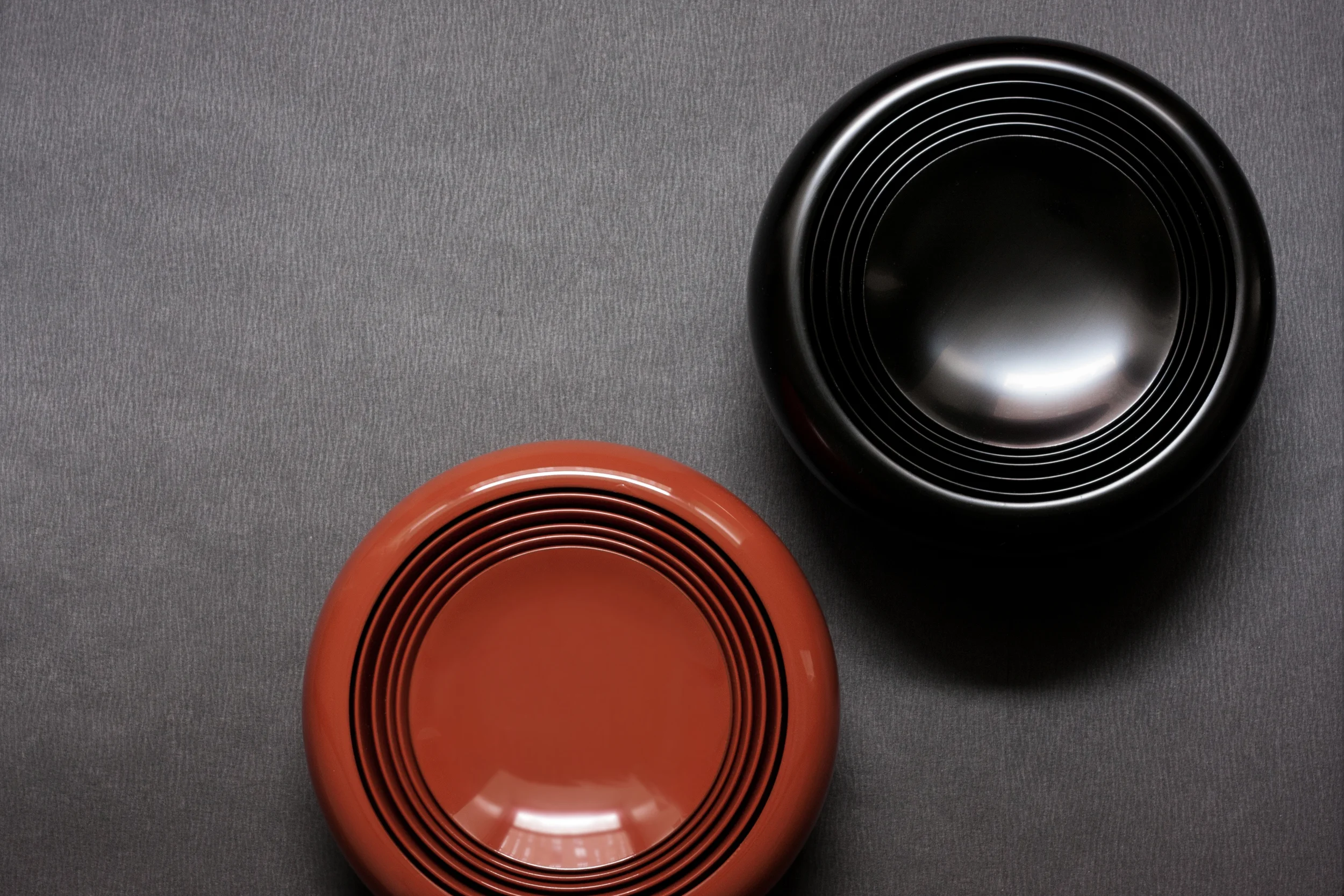
Traditional Oryoki
In a modern dining culture dominated by speed and multi-tasking, meals are frequently consumed while looking at screens, answering emails, or rushing against a clock. The Zen tradition of Oryoki (応量器) offers a direct antidote to this distraction, framing eating not as a break from mindfulness, but as the meditation itself. Translating to "the vessel that contains just enough," Oryoki is both a physical set of nested bowls and a living philosophy centered on conscious consumption.
This three-part editorial series provides a look into the tradition. We trace its historical development from early Buddhist mendicancy to the strict rules established by Zen Master Dogen, explore the structural utility of the set within modern Western practice, and detail the technical woodworking craftsmanship and care protocols required to preserve these vessels for a lifetime of daily use.
Part 3:
Technical Integrity and Everyday Care
An authentic Oryoki set is built for decades of daily use. Because the ritual of cleaning the bowls is the definitive conclusion of an Oryoki meal, understanding the technical construction and care requirements of the vessels is essential for longevity.
Traditional Craftsmanship and Woodwork
High-quality, traditional Oryoki sets are made using highly specialized Japanese woodworking techniques. A hallmark of superior structural integrity is tategidori (縦木取り)—a precise method where the wood is cut vertically with the natural direction of the grain rather than across it.
Cutting along the vertical grain yields several critical benefits:
It prevents the wood from warping or shrinking when exposed to hot liquids.
It significantly increases the structural strength of the largest vessel (the zuishi).
It preserves the natural elasticity of the wood, allowing it to withstand environmental changes in humidity.
The wood is then sealed and protected using natural, plant-derived lacquer (urushi / 漆). Authentic lacquerware completely avoids synthetic petroleum substitutes like urethane and shuns toxic chemical metals for coloration. The resulting finish is durable, naturally antiseptic, and safe for daily hot food presentation.
Preservation and Care Protocol
In a monastery, bowls are cleaned directly at the table to ensure absolutely no food is wasted. For the everyday user cleaning their set at home, maintaining the integrity of the natural lacquer requires adhering to a strict care protocol:
The Washing Method: Wash the bowls by hand using warm water and a soft, non-abrasive sponge. If soap is necessary, use a mild, eco-friendly, pH-neutral dish detergent. Never use steel wool, abrasive scrubbing pads, or citrus-based cleaners, as these will permanently scratch or degrade the natural lacquer finish.
Thermal Limitations: Do not put Oryoki bowls into a microwave, oven, or automated dishwasher. The intense, dry heat and pressurized water of a dishwasher will cause the wood to split and will strip away the protective lacquer coating.
Drying and Storing: After rinsing, dry each bowl immediately and completely with a soft, lint-free cotton cloth. Do not leave the bowls to air-dry while wet, and never nest them while damp, as trapped moisture can compromise the finish. Once bone-dry, nest the bowls back into their traditional order and wrap them in their protective fukusa cloth to shield them from dust and direct sunlight.
This article is part of our ongoing series on the Oryoki vessel and its rituals. Thank you for exploring the history, practice, and care of this ancient Zen tradition with us.
Objects Related to This Story

Discover the elegance of simplicity with the Oryoki by Kashoan Studio, a stunning six-piece lacquerware set in classic black.
Each piece is meticulously crafted to enhance the joy of everyday meals, embodying the essence of Zen Buddhist traditional dining practices.
Designed with beautiful, harmonious shapes, this set brings a sense of serenity and mindfulness to your culinary experience.
Perfect for those who appreciate the timeless beauty of minimalist design.
150mm D x 72mm H (5.91” x 2.83”)
492g (17.35oz)
Made of wood, lacquered by hand
KS01
Please refer to lacquerware care here.