
Japan Blue: Indigo and the Depth of Everyday Use
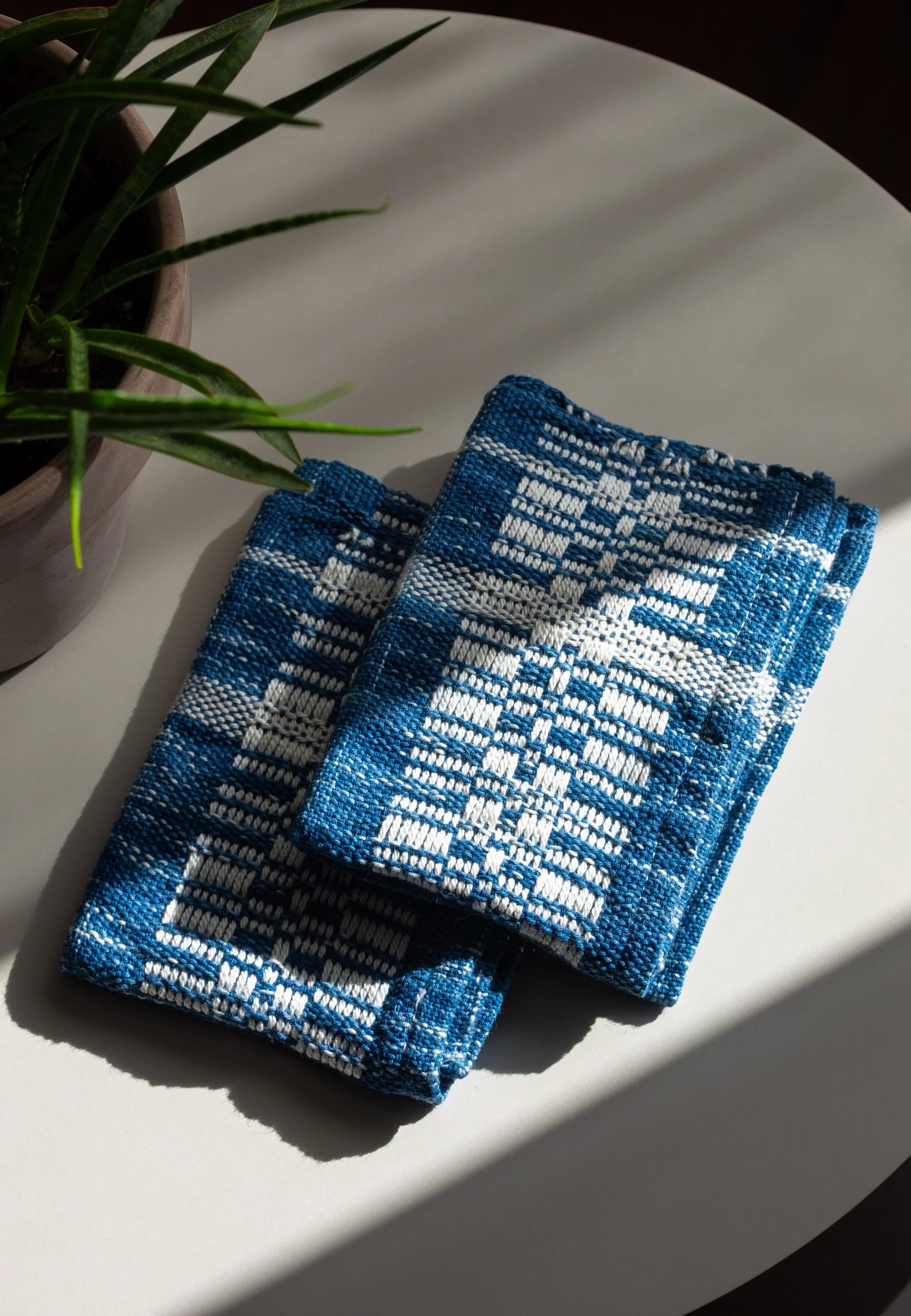
There is a particular blue that has long been associated with Japan — deep, slightly muted, and layered in a way that feels almost textured. It is not a single color, but a range of tones developed through repeated dyeing, use, and time. This is aizome, or indigo dye.
Before synthetic dyes became widely available in the late 19th century, indigo was one of the most accessible and practical dyes in Japan. Made from the leaves of the indigo plant, it was used to color everything from workwear and textiles to household cloths and ceremonial garments. Its popularity was not only aesthetic. Indigo-dyed fabric is naturally antibacterial, resistant to insects, and surprisingly durable — qualities that made it especially suited for everyday life.
During the Edo period, when sumptuary laws restricted the use of bright colors among common people, indigo became even more prominent. Artisans and dyers developed a wide spectrum of blues by adjusting the number of dye baths, creating subtle variation within a limited palette. What might appear uniform at first reveals, on closer look, a depth built through repetition and care.
A Color That Changes with Time
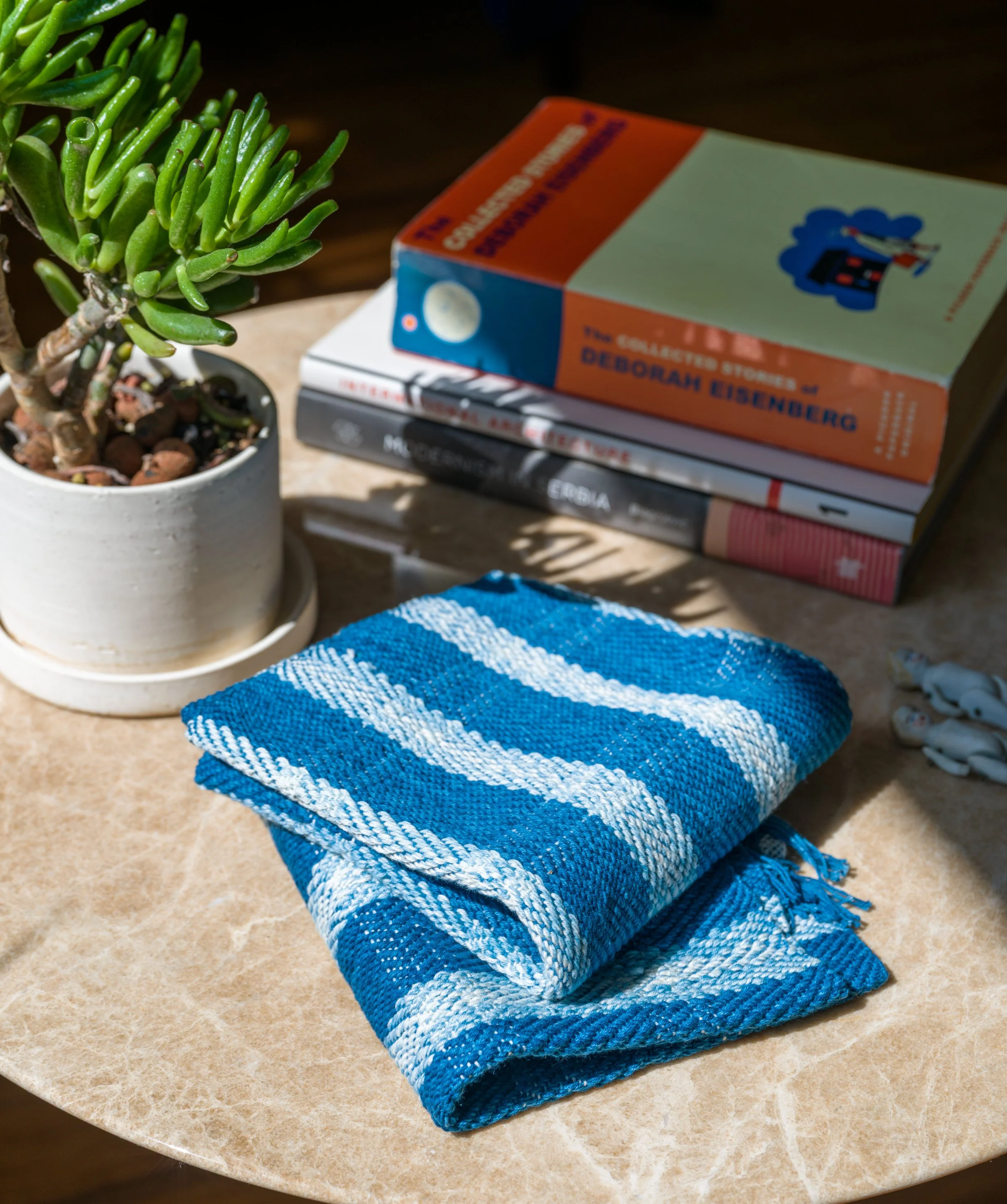
Unlike surface-applied color, indigo interacts with the fiber itself. With use and exposure, it gradually fades — not as deterioration, but as transformation. Areas of friction lighten, edges soften, and patterns emerge through wear. Each piece records its own history.
This quality is part of what continues to draw people to indigo today. It resists perfection. Instead, it reflects use — an ongoing relationship between material and daily life.
From Utility to Expression
While indigo began as a practical solution, it has long been a site of experimentation for artisans. Techniques such as resist dyeing, stitching, and folding allow for pattern-making within the dye process itself. Each method requires an understanding of how the dye will penetrate, resist, or reveal the cloth beneath.
This balance between control and unpredictability remains central to indigo work. Even today, no two pieces are exactly the same.
Continuity in Contemporary Textile Work
The appeal of indigo is not limited to tradition. Many contemporary textile artists continue to work with natural dyes — not as a nostalgic return, but as an exploration of material integrity and process.
As new works arrive, including those using indigo, this connection becomes more visible. Rather than standing apart as a distinct category, indigo sits within a broader continuum of textile practice — one where function, material, and making remain closely linked.
A Material That Endures
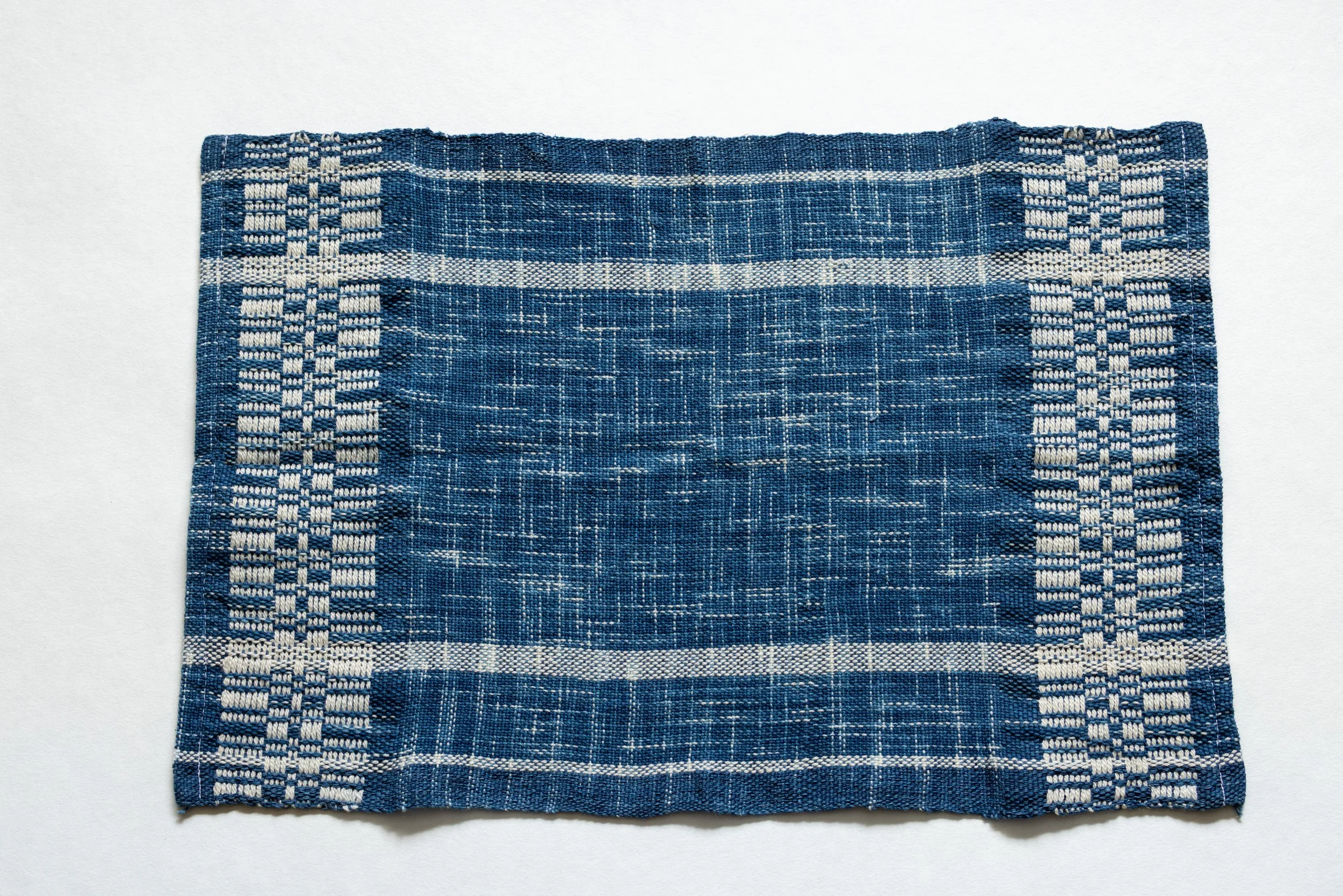
Indigo continues to be used today not simply because of its history, but because it still works. It protects, it adapts, and it improves with time. Whether in clothing, household textiles, or contemporary works, it offers a way of thinking about color not as a fixed surface, but as something that evolves through use.
In that sense, indigo is less about appearance and more about relationship — between maker, material, and the life that unfolds around it.