
Stories
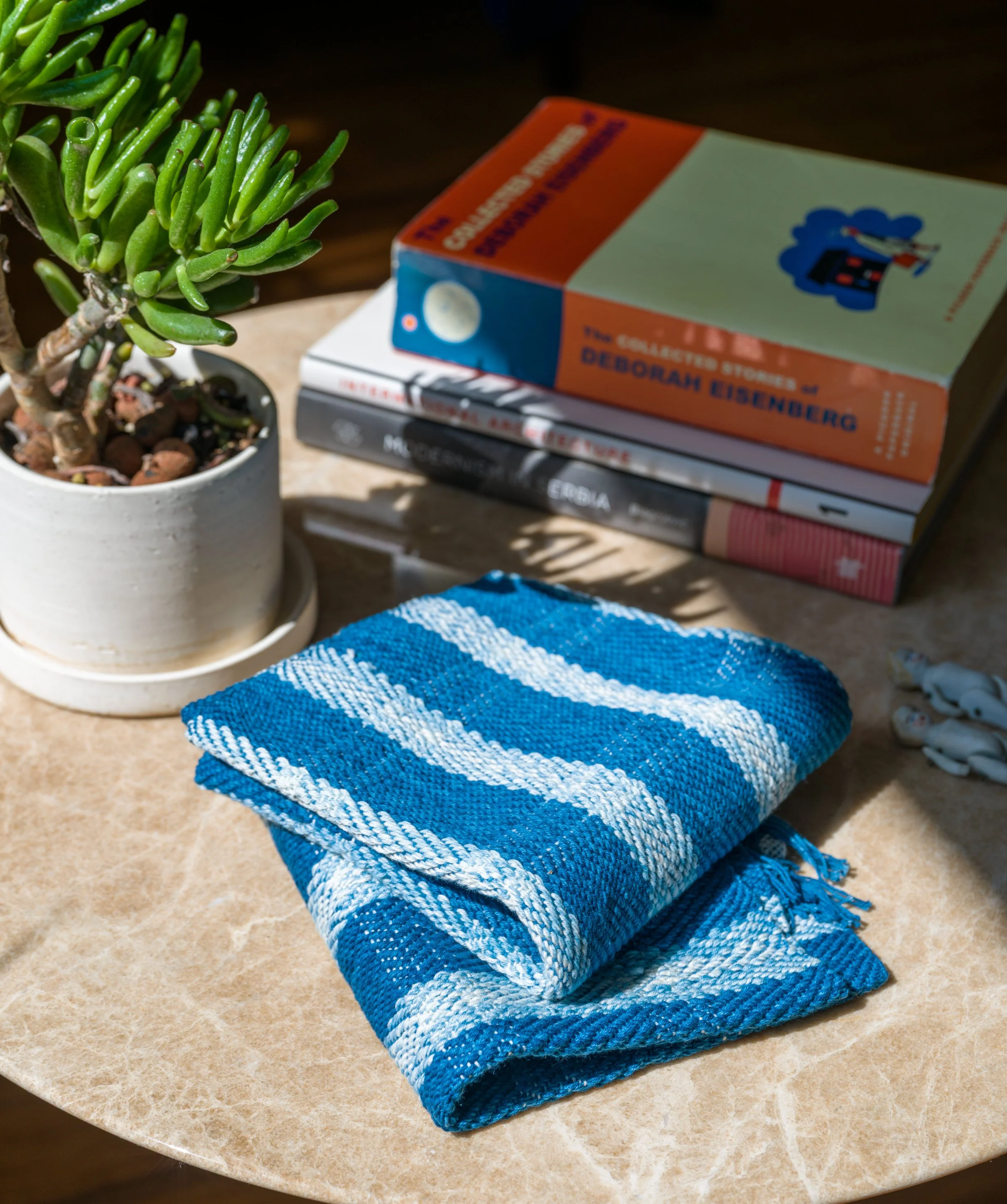
Japan Blue: Indigo and the Depth of Everyday Use
Indigo dye, or aizome, has shaped Japanese textiles for centuries through its durability, depth of color, and evolving character over time. From everyday workwear to contemporary textile practices, it reflects a way of making where material, use, and process remain closely connected.

Boxed In Beauty: A Digest of the New York Times Article on Japan’s Deeply Rooted Packaging Culture
Boxed In Beauty: A Digest of the New York Times Article on Japan’s Deeply Rooted Packaging Culture
Exploring how Japan’s reverence for boxes—crafted from paulownia wood, lacquer, and cloth—reflects centuries of artistry, order, and cultural meaning.
Kumidashi: The Elegant Japanese Tea Cup Tradition
Kumidashi: The Elegant Japanese Tea Cup Tradition
In the world of Japanese tea, vessels are more than functional—they shape the entire experience. Among them, the kumidashi (汲み出し) stands out for its refined form and thoughtful purpose.
What is a Kumidashi?
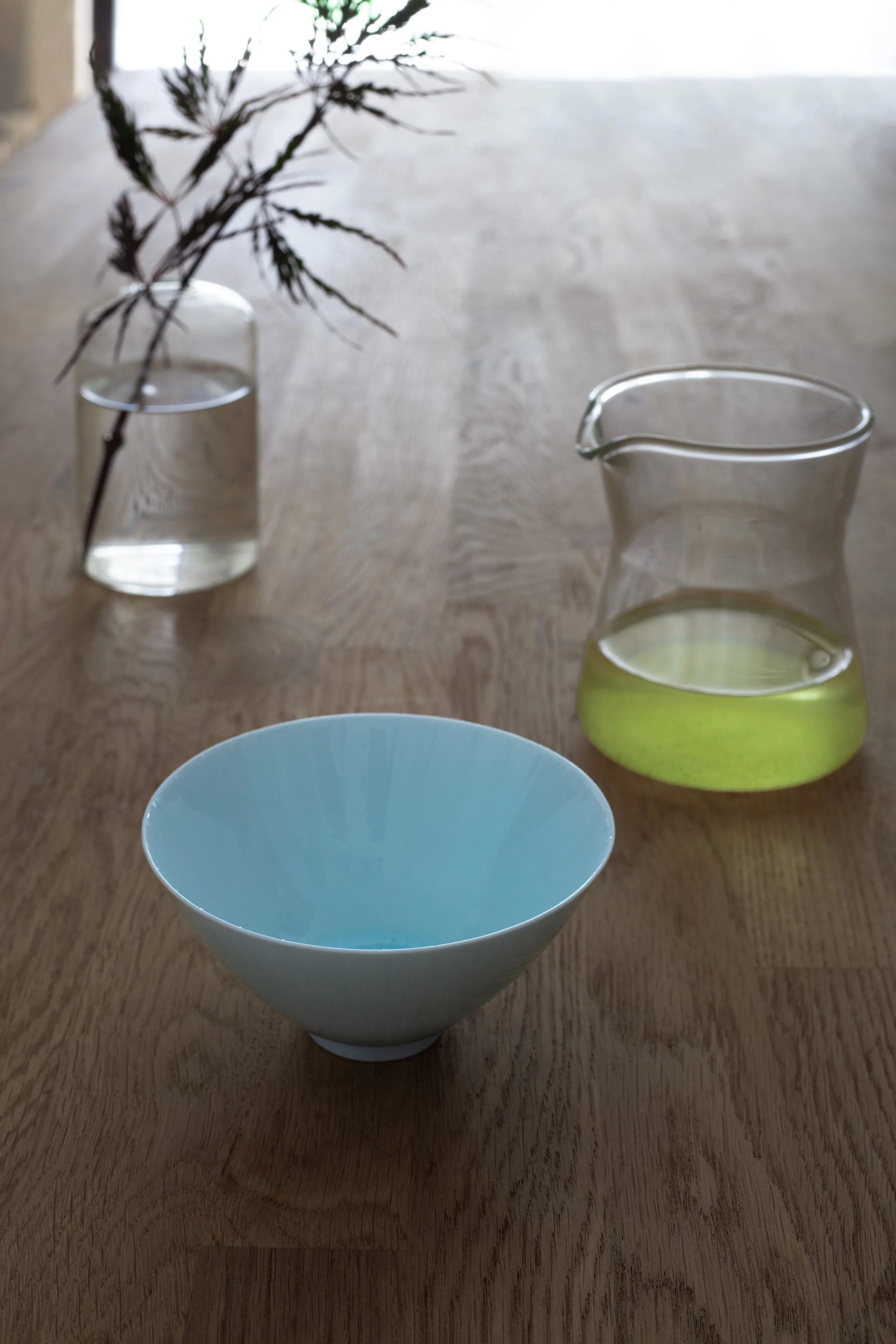
Kumidashi are wide, shallow cups traditionally used for high-grade green teas such as gyokuro or sencha. Their open shape allows the tea’s aroma to gently rise, its color to be fully appreciated, and its temperature to be enjoyed at its most delicate point.
Kumidashi vs. Yunomi
While the yunomi is a taller, everyday cup for casual tea drinking, the kumidashi is used for more formal, mindful occasions—often when serving guests a first, exquisite brew. The shallow profile and thin rim are intentional, inviting the drinker to savor each sip slowly.
A Brief History
The use of kumidashi can be traced back to tea culture in the Edo period (1603–1868), where presentation and seasonality were as important as taste. Over time, potters refined the shape and glazing to suit different teas, creating a tradition that blends utility and art.
Kotaro Ikura’s Celadon Kumidashi
Contemporary ceramic artist Kotaro Ikura brings this tradition into the present with his celadon-glazed kumidashi. Each cup is hand-carved with facets, glazed in pale blue, and finished with an exceptionally thin rim—a testament to his skill. His signature is inscribed on the base, marking each as a unique work of craft.
In using a kumidashi, you’re not just drinking tea—you’re connecting with centuries of Japanese culture, and with the quiet pleasure of truly seeing, smelling, and tasting your tea.
Explore our Celadon Kumidashi Cup by Kotaro Ikura to bring this tradition into your home.

Kiriko Glass Art: A Timeless Japanese Tradition
Kiriko Day celebrates Japan's timeless glass art, showcasing the intricate craftsmanship of Edo and Satsuma Kiriko. These beautifully cut and colored glass pieces blend tradition with modern elegance. Honored in Japan and admired globally, Kiriko reflects the enduring artistry of Japanese culture, making it a symbol of beauty and innovation in both décor and everyday life.
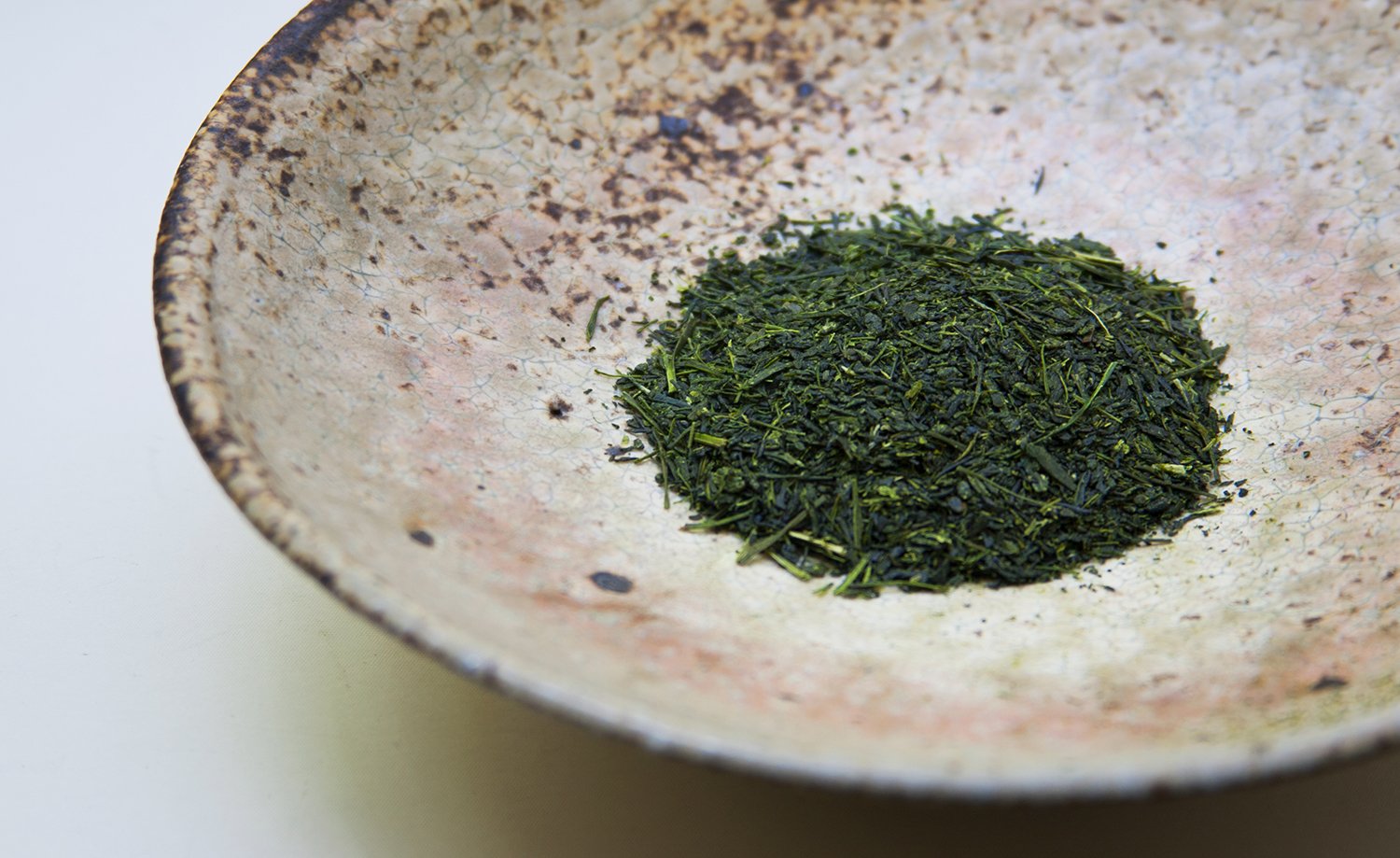
Ocha Nouveau
Spring brings an exciting time for green tea lovers—shincha season! Shincha (新茶), meaning “new tea,” is the first flush of Japanese green tea, handpicked in early spring and celebrated for its delicate flavor, enticing aroma, and invigorating freshness. Unlike other green teas, shincha is lightly processed, capturing the essence of the season in every sip. Available for a limited time, this fleeting treasure is cherished in Japan and beyond. If you’re lucky enough to find shincha near you, don’t miss the chance to savor this once-a-year delight!
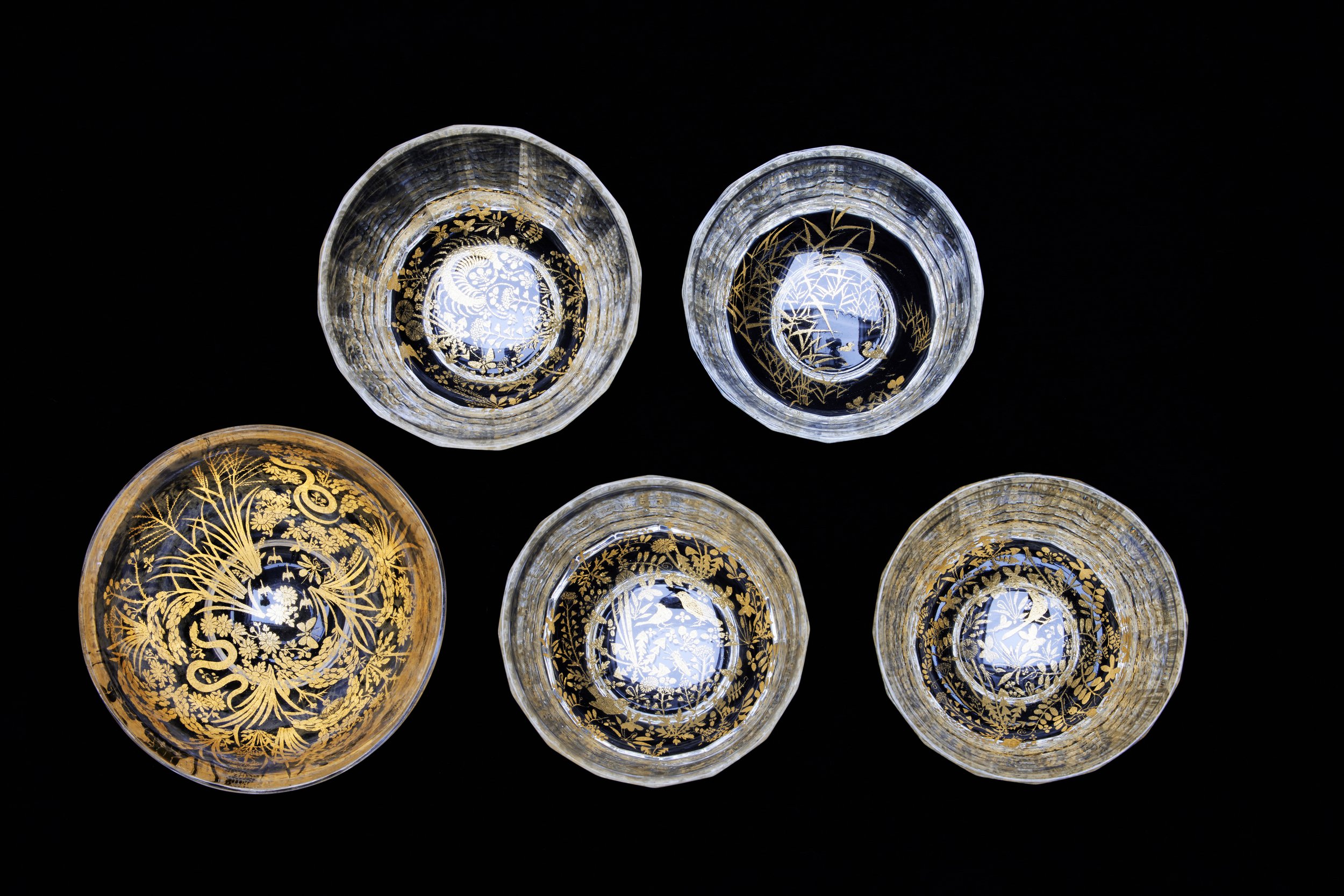
introducing glass artisan sono yura

Note from Japan Suite
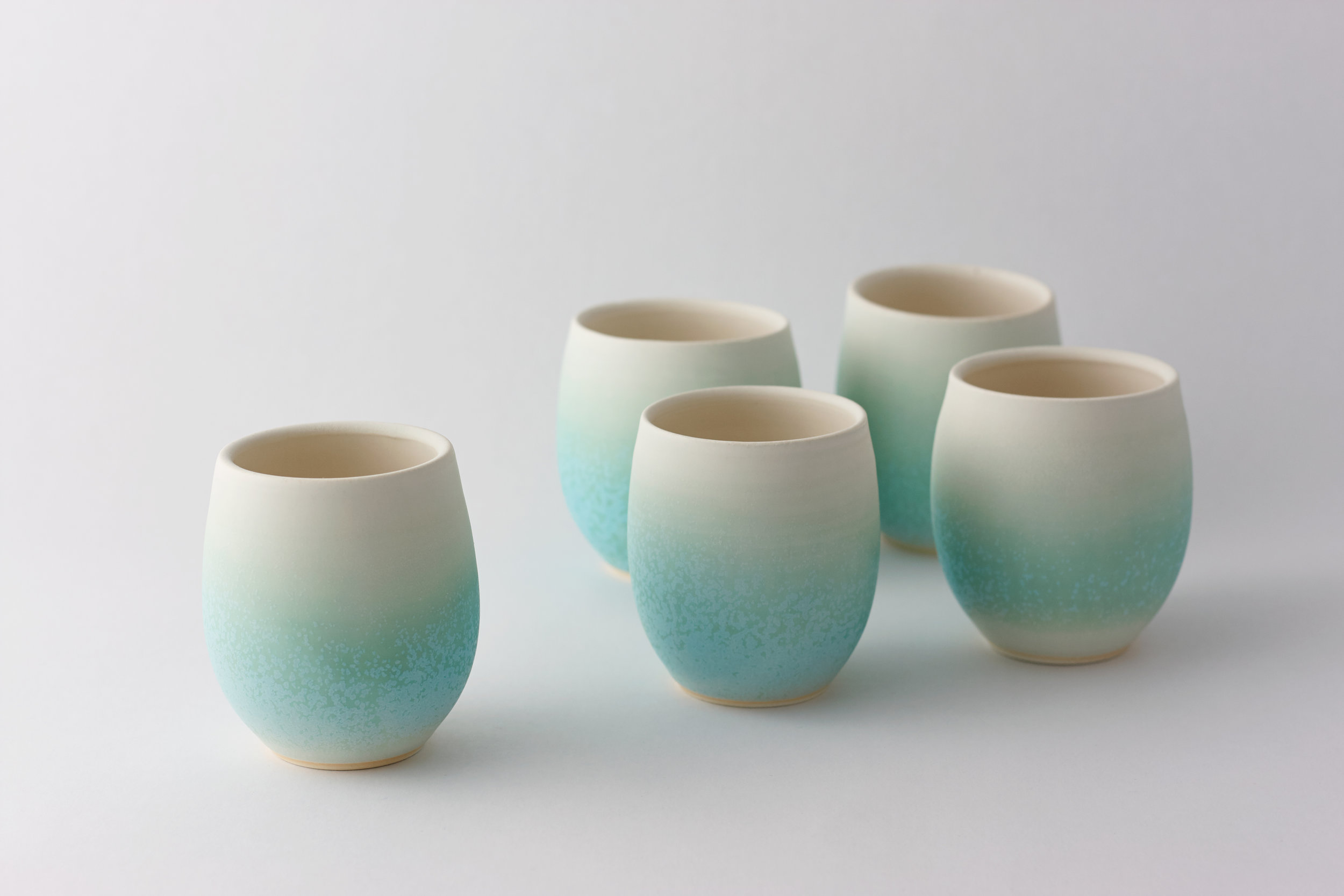
Introducing Ryuji Iwasaki

The Art of the In-Between
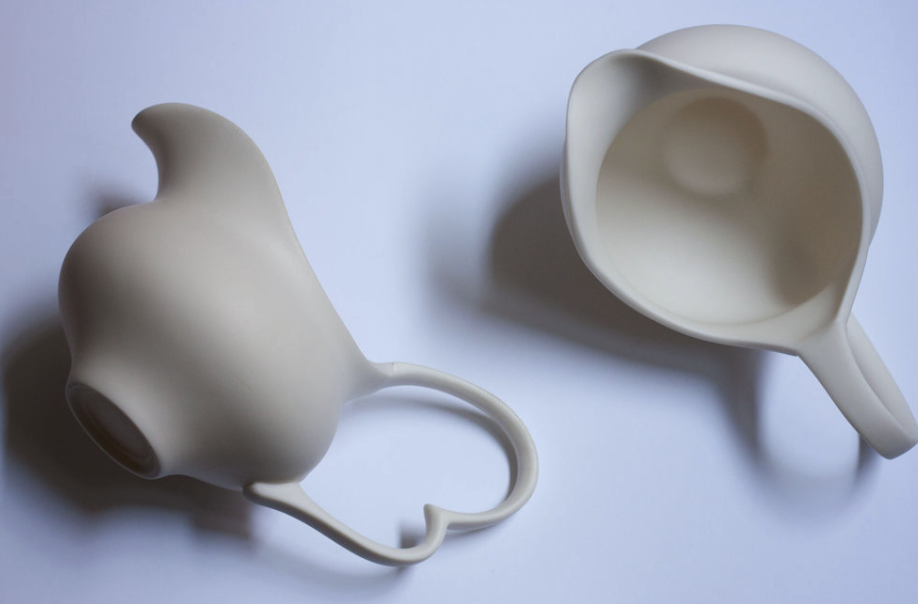
A Peek Under the Curtain — Works by Ryota Aoki
Saying Goodbye to Summer With a Sip

Cool New Glassworks to Enjoy in the Dog Days of August

Summer Greetings
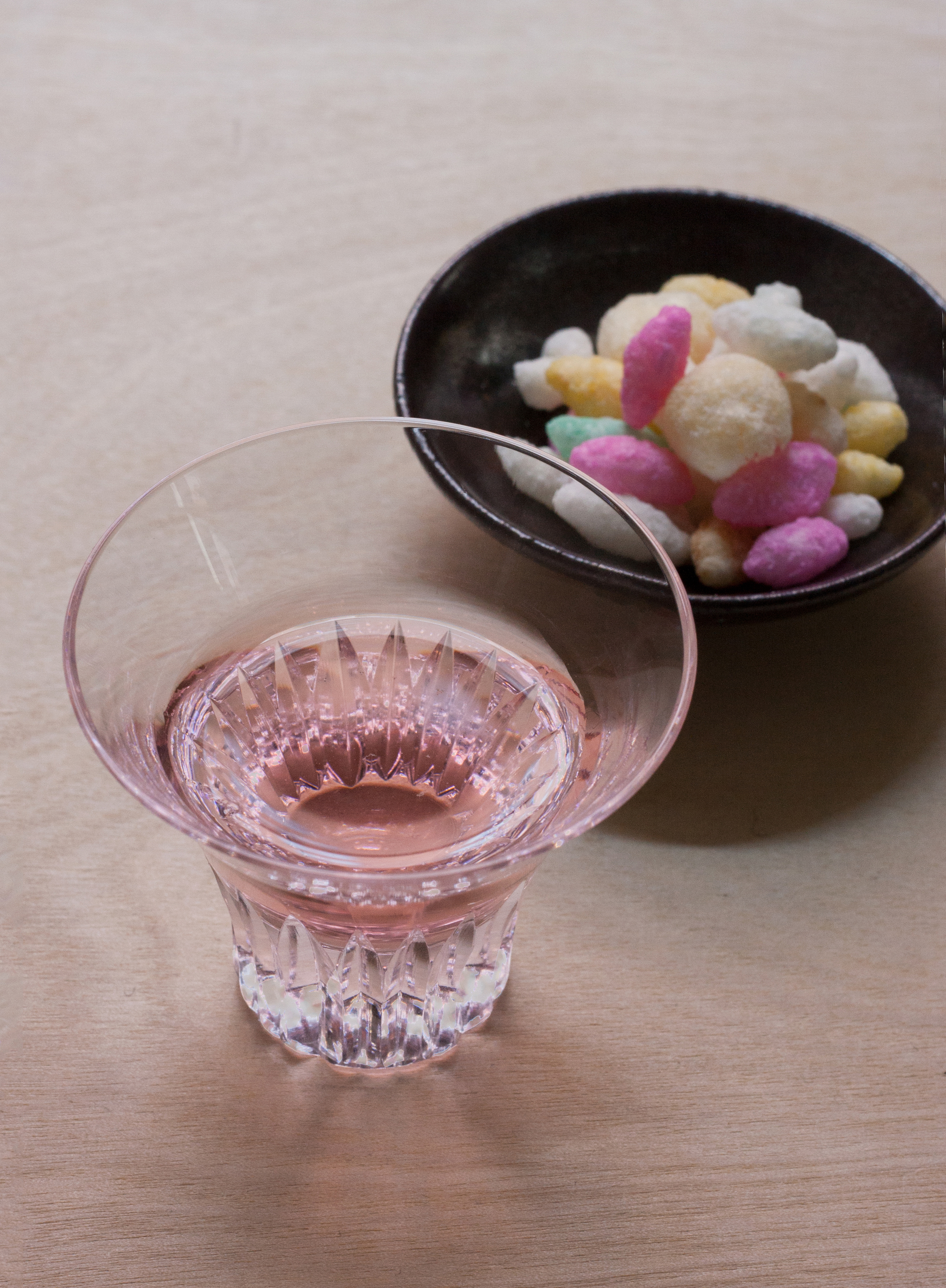
Namazake: A Fresh and Lively Early Sign of Spring in a Glass
Fall preview from Japan Suite
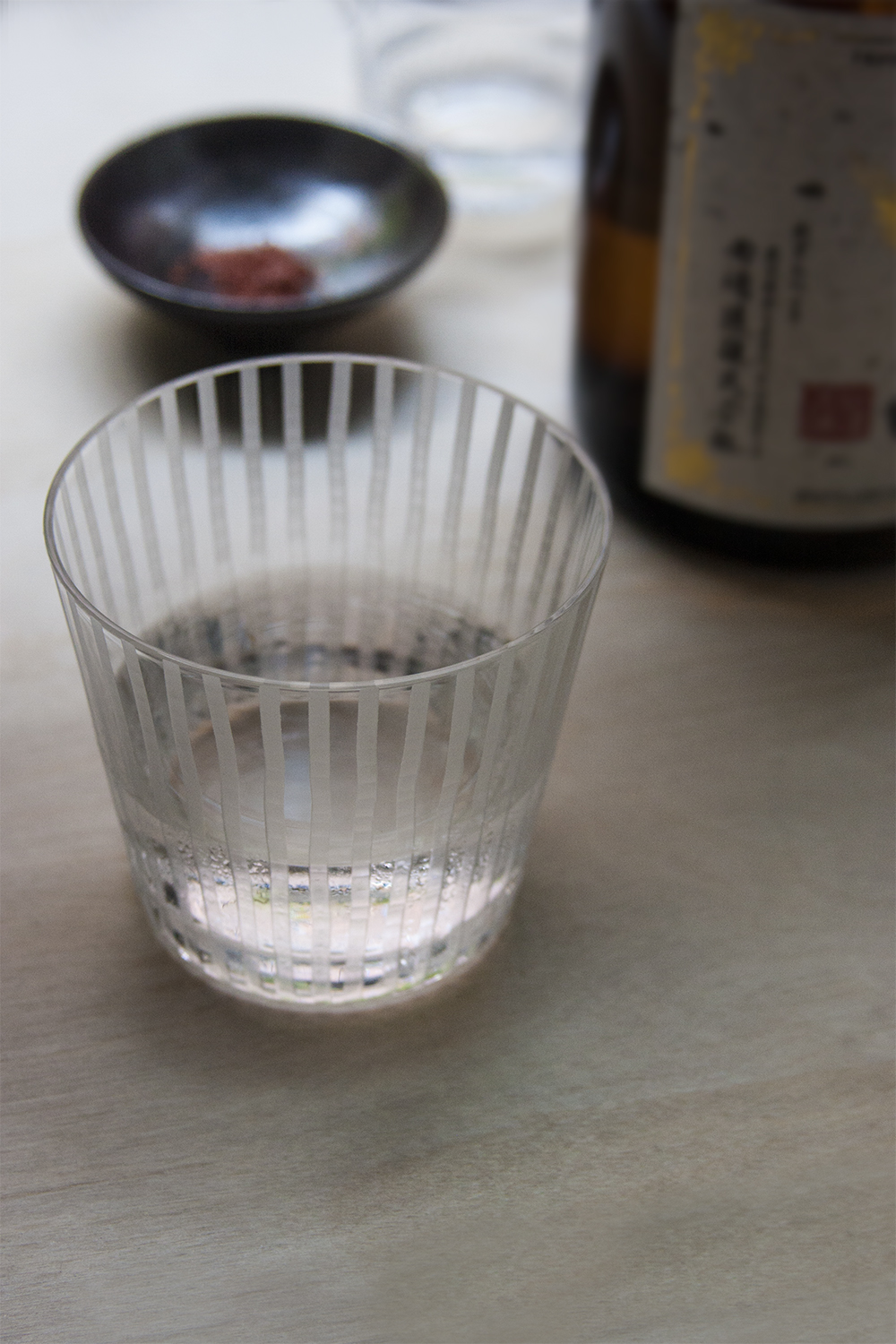
Kiriko Day — Another Reason to Celebrate in Early July