

Stories
Hokuriku: Japan’s Quiet Coast of Craft, Cuisine, and Mountains
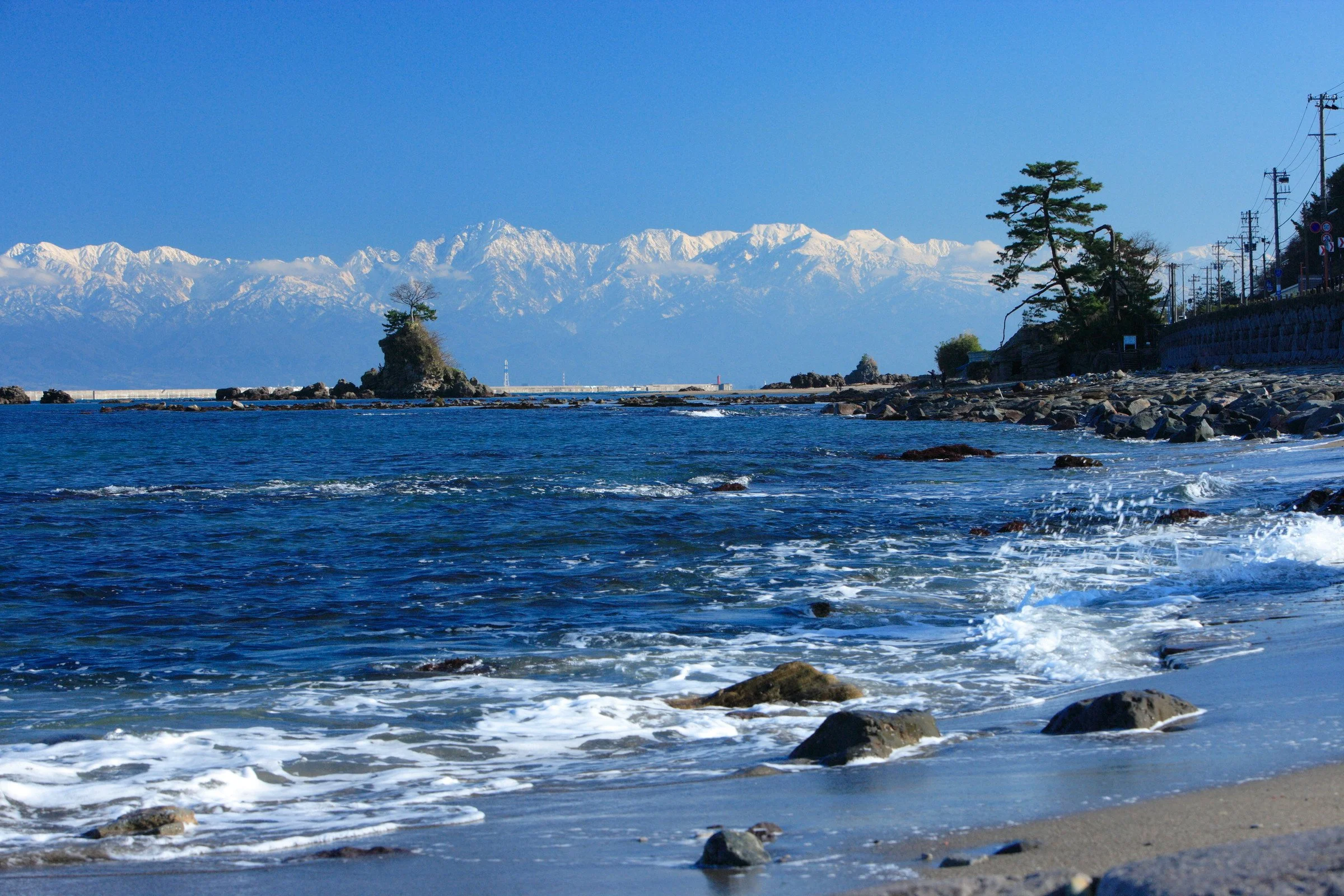
Hokuriku, stretching along Japan’s Sea of Japan coast through Toyama, Ishikawa, and Fukui, is a region shaped by mountains, water, and craft. Known for its heavy winters and rich natural resources, it has developed a culture rooted in food, making, and seasonal life. This four-part series explores Hokuriku through its landscapes, traditions, and daily practices—offering a slower, more intimate way to experience Japan beyond its major cities.
What to Do in Hokuriku: Crafts, Villages, and Living Traditions
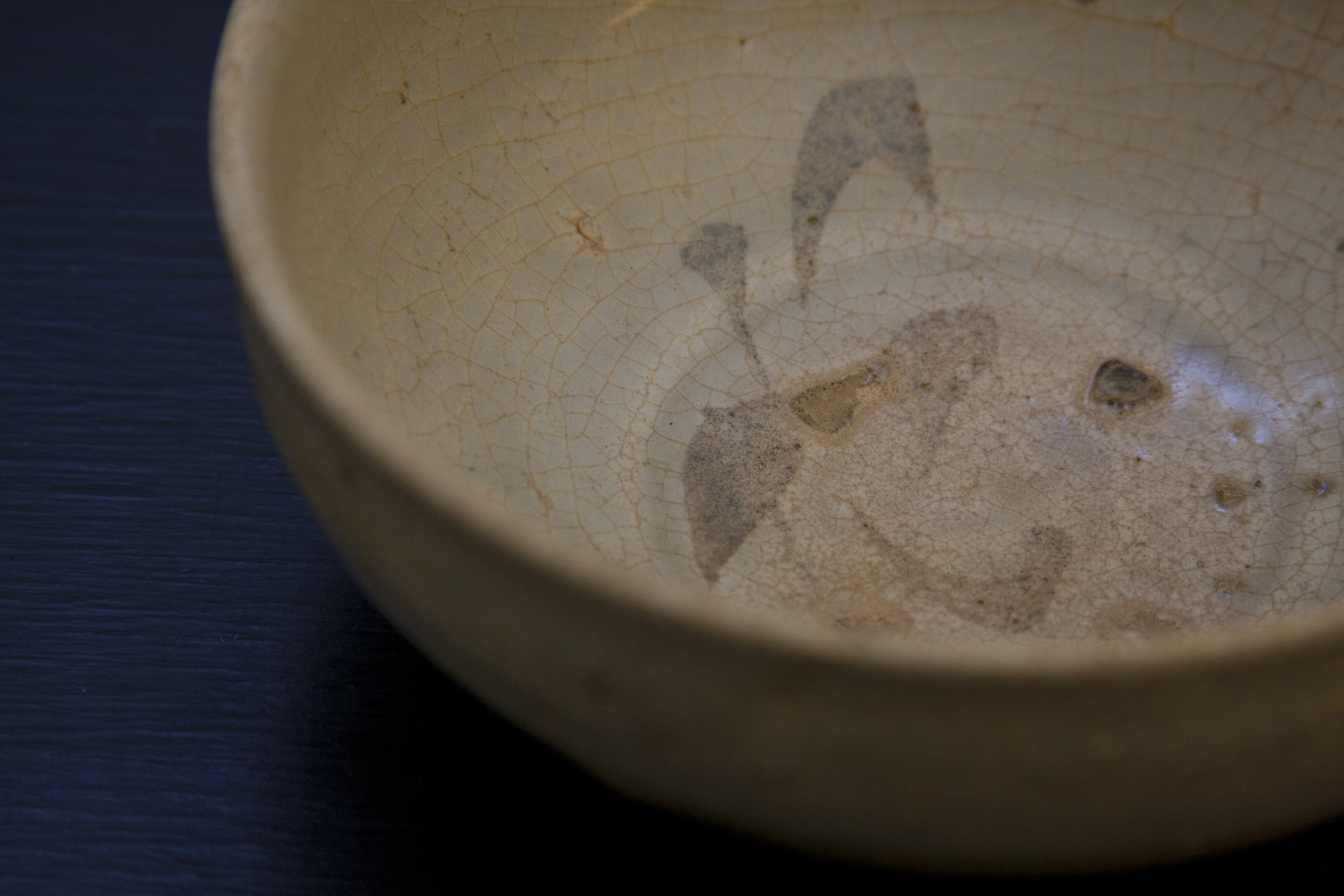
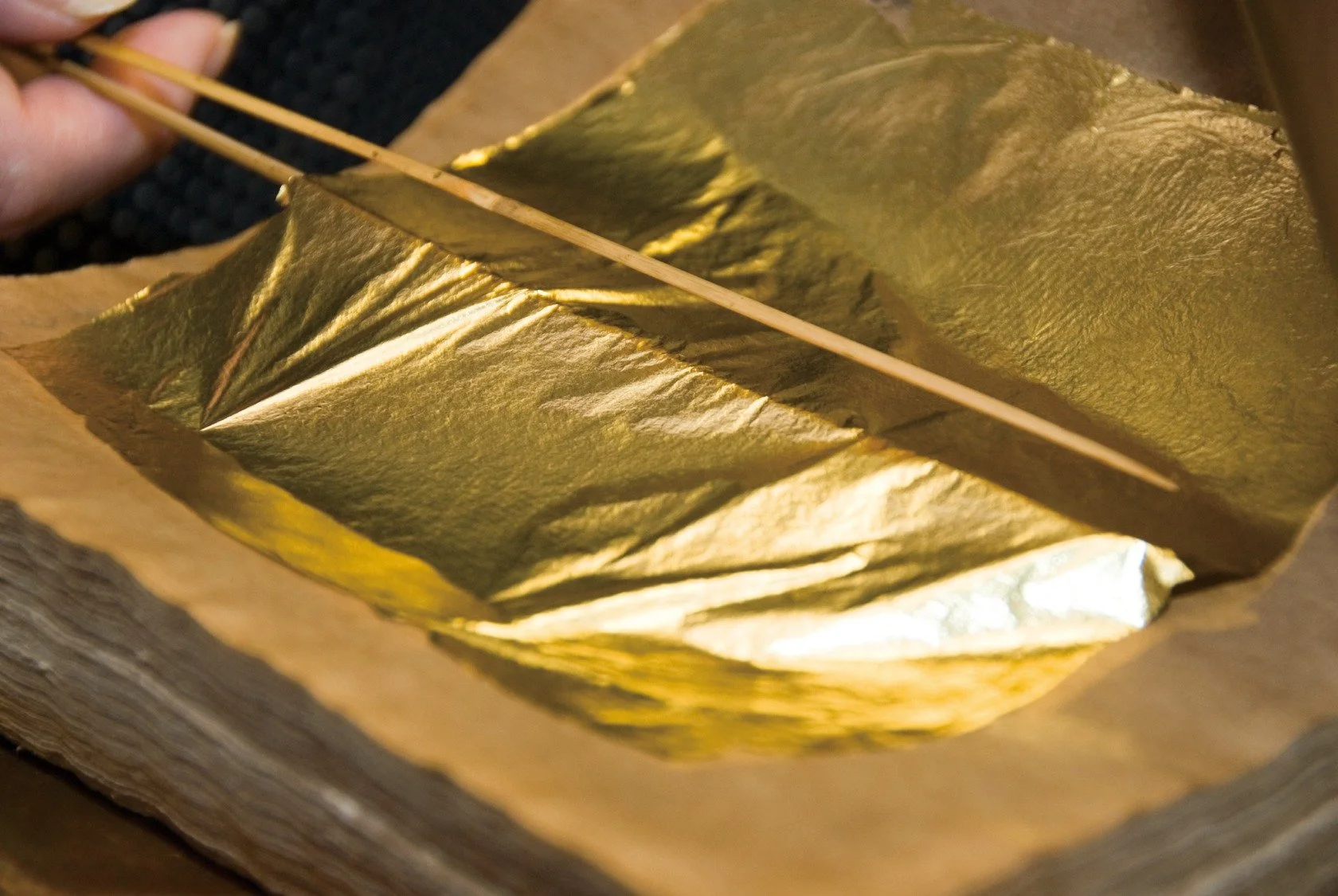
Hokuriku offers experiences rooted in making, movement, and quiet observation. Visitors can explore centuries-old villages, walk through preserved geisha districts, and witness traditional crafts such as metal casting, knife making, and washi paper production. In Ishikawa, long-established traditions of lacquerware and Kutani ceramicware reveal how surface, form, and function evolve through generations of artisans. From moss-covered shrine paths to hands-on workshops and Zen meditation, these activities show how history and daily life remain closely intertwined across Toyama, Ishikawa, and Fukui.
Where to Eat and Drink in Hokuriku: Ramen, Sushi, Soba, and Sake
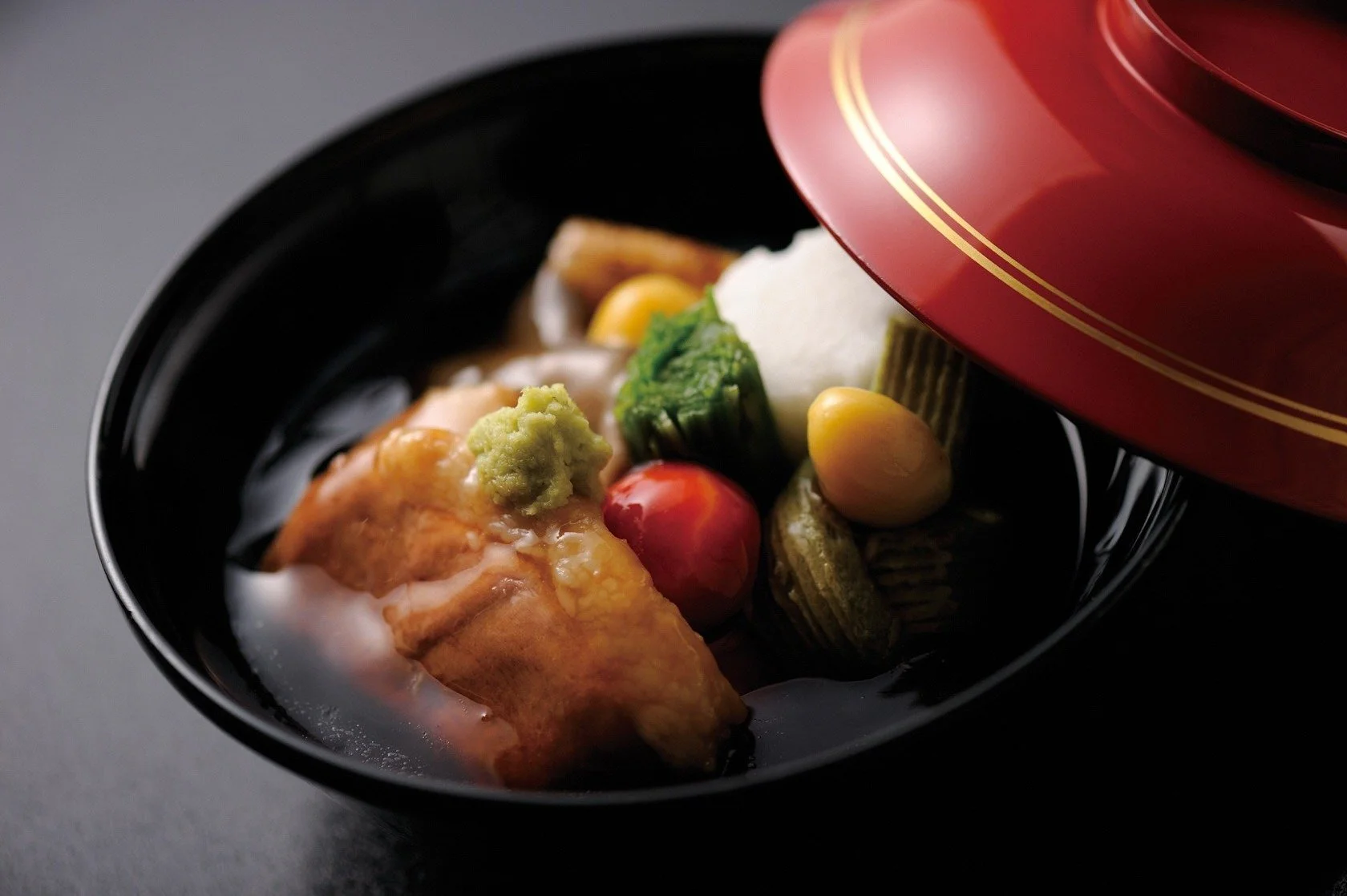
Hokuriku’s cuisine is shaped by its geography, where alpine rivers meet the deep waters of the Sea of Japan. From Toyama’s famously fresh sushi and rich black ramen to handmade soba in Fukui and centuries-old sake breweries in Kanazawa, food here reflects both abundance and restraint. This chapter of the series focuses on local specialties and the artisans behind them, revealing how regional ingredients and tradition define the Hokuriku table.