

Where to Eat and Drink in Hokuriku: Ramen, Sushi, Soba, and Sake
Hokuriku’s food culture is shaped by mountains, rivers, and the sea. From Toyama’s nutrient-rich bay supporting world-class sushi to Fukui’s soba and Kanazawa’s centuries-old sake breweries, each meal tells a story of place, season, and tradition. In this third post, we explore the region through its cuisine, introducing iconic dishes, local specialties, and dining experiences that reveal Hokuriku’s culinary soul.
Part 3
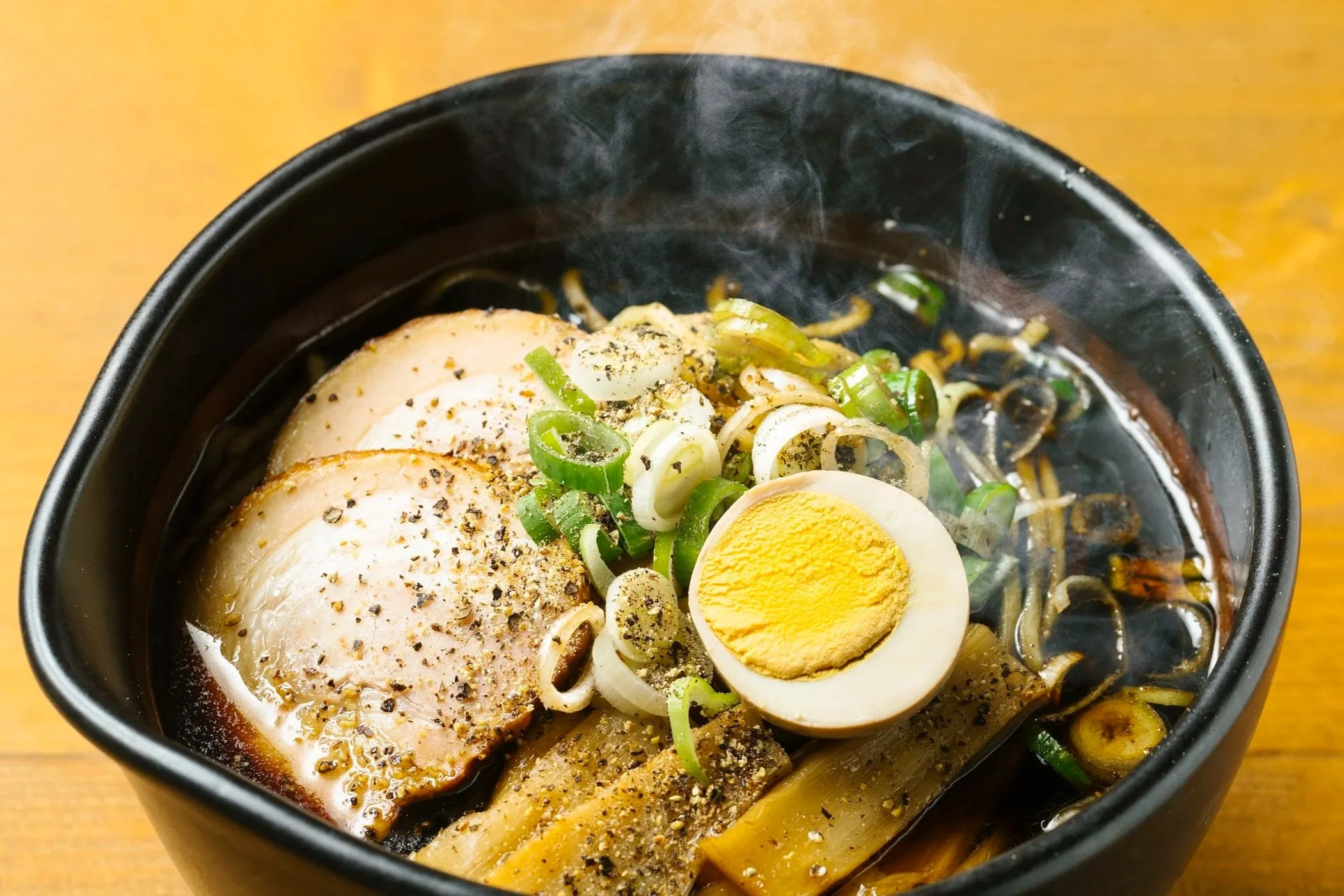
Black Ramen
Black Ramen at Nishicho Taiki (Toyama)
Toyama’s black ramen is unlike the versions found elsewhere in Japan. The broth is dark and assertive, made with richly seasoned soy sauce and sharpened with garlic and pepper. Originally created as a sustaining meal for postwar laborers, it remains deeply tied to the city’s working history. Nishicho Taiki is a traditional, cash-only shop where this local specialty is best experienced in its original form. Pairing a bowl with a cold beer is part of the ritual for many locals.
©石川県観光連盟
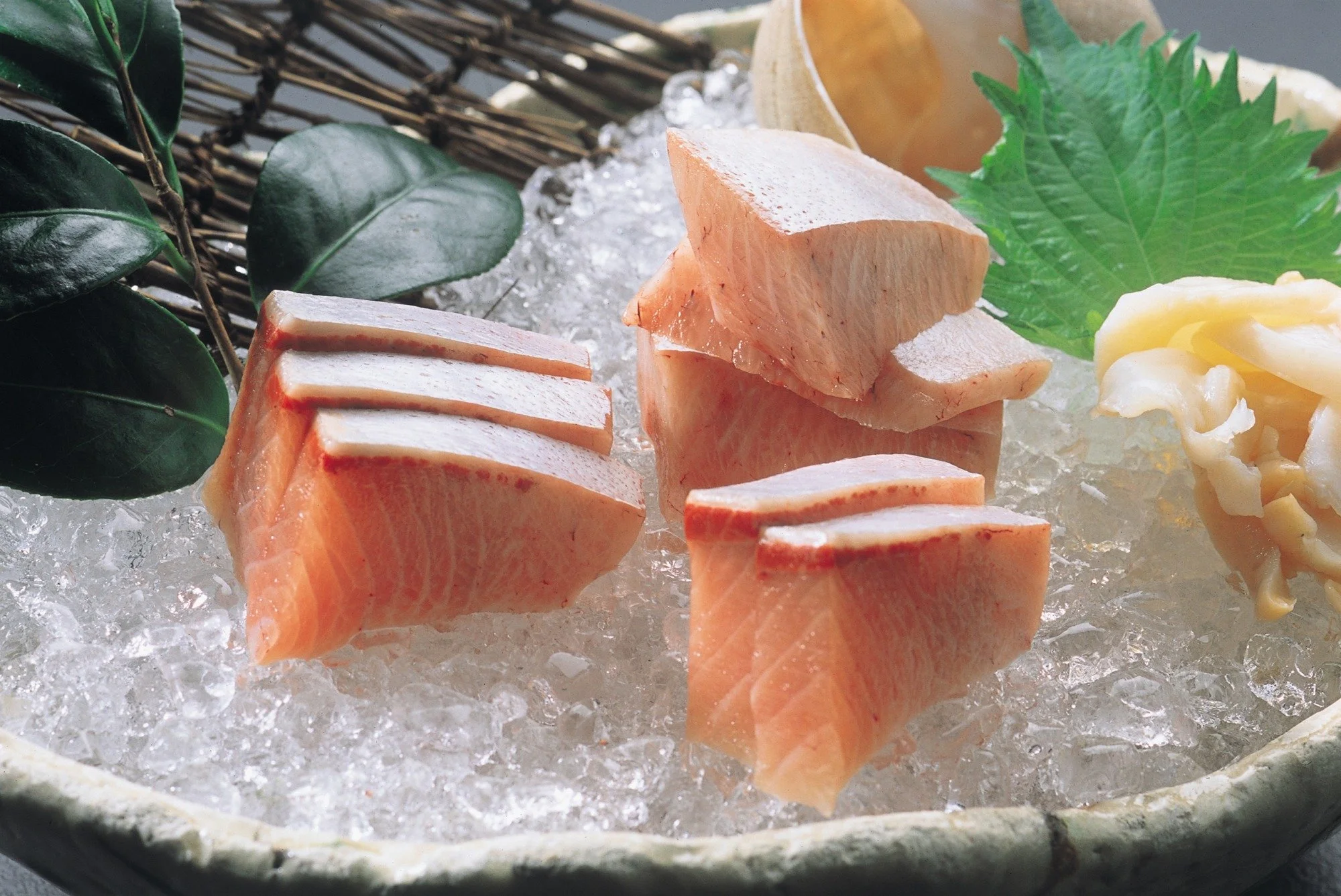
Toyama Sushi
Toyama Bay is fed by mineral-rich runoff from the Northern Alps, creating ideal conditions for a diverse range of seafood. This natural environment produces fish known for its clarity of flavor and texture, giving Toyama a reputation as one of Japan’s top sushi destinations. Whether eaten casually at a station counter or in a refined dining room, Toyama’s sushi reflects the closeness of sea, mountains, and kitchen.
Soba at Urushiya (Fukui)
In Fukui, Echizen Oroshi Soba is a regional specialty made with buckwheat noodles and grated daikon radish. At Urushiya, a Michelin-recognized restaurant, the dish is served with warm soba tea and a cold dipping sauce that highlights the noodles’ earthy character. The simplicity of the preparation allows the quality of the buckwheat and water to take center stage, making it a deeply satisfying and restorative meal.
©石川県観光連盟
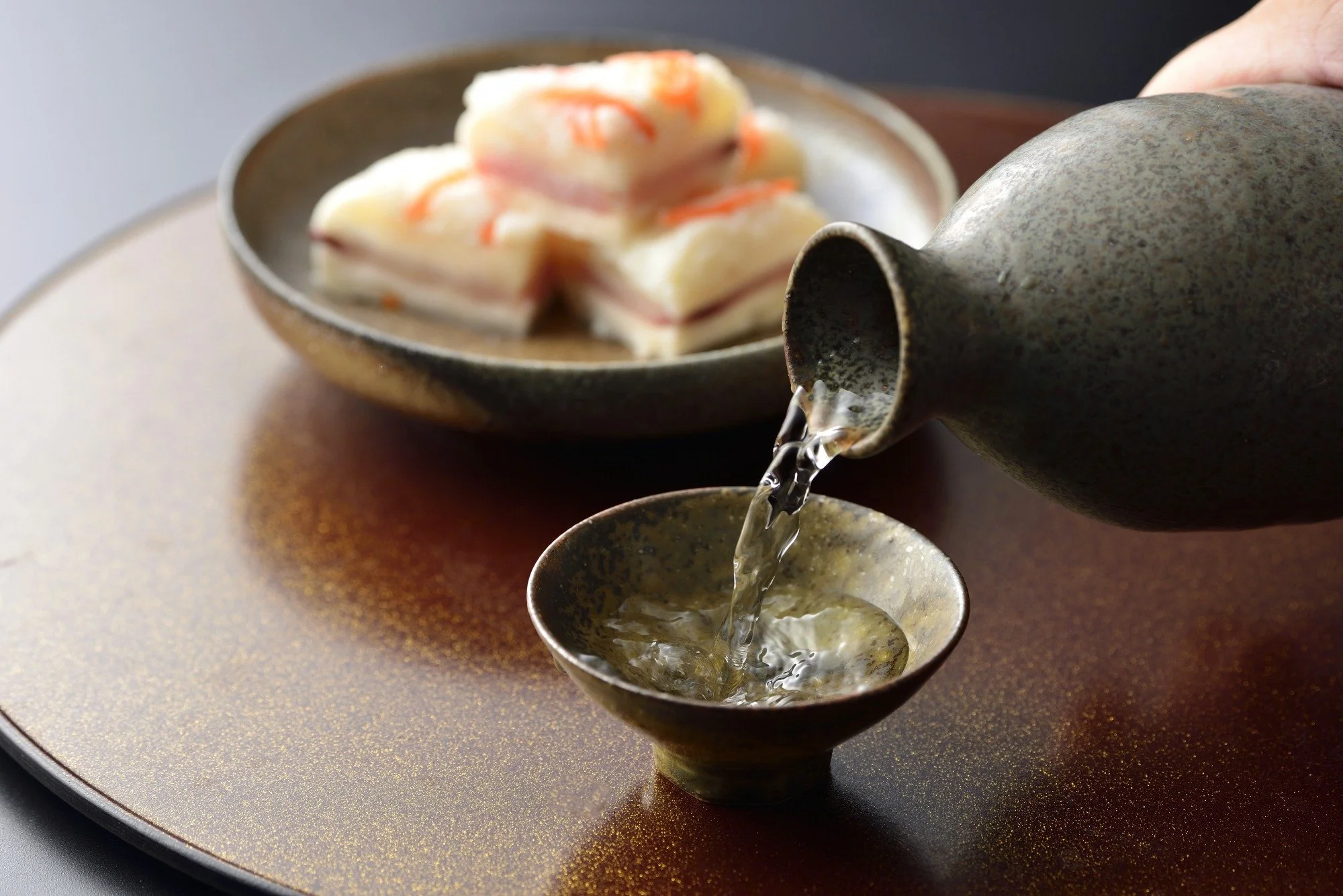
Sake at Fukumitsuya Brewery (Kanazawa)
Kanazawa is one of Japan’s notable sake-producing areas, thanks to pure spring water flowing from Mount Hakusan and access to high-quality rice. Founded in 1625, Fukumitsuya is among the region’s oldest breweries and continues to produce sake using traditional methods. Visitors can tour the brewery and sample junmai sake, which is made using only rice, water, yeast, and koji mold — a style that emphasizes clarity and balance over sweetness.
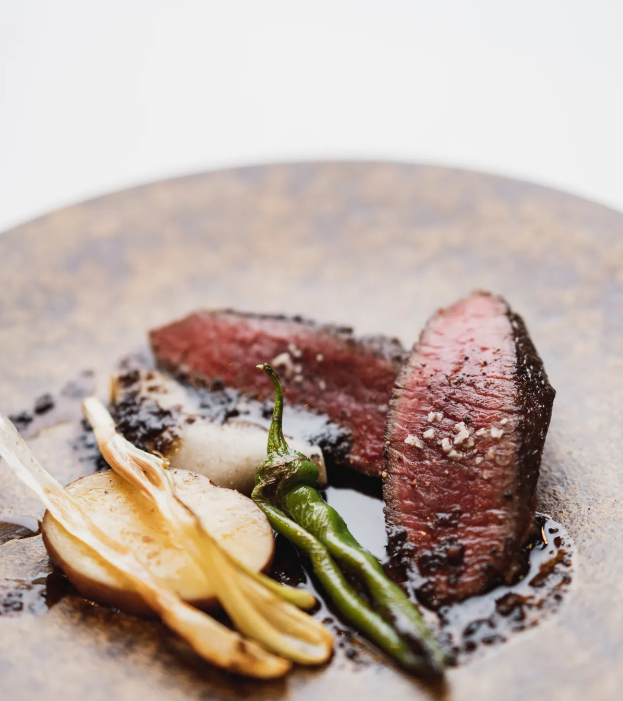
MarPe (Fukui)
Mountain Cuisine at Restaurant MarPe (Fukui)
Open only a few days each week, Restaurant MarPe in Fukui offers an intimate dining experience shaped by the surrounding mountains. Chef Yohei Tanihashi builds his tasting menus around wild and seasonal ingredients, including forest mushrooms, herbs, and fruits gathered at peak moments. The dishes reflect a close observation of the landscape, translating mountain terrain into flavor with restraint and precision.
Eating in Hokuriku is less about chasing famous restaurants and more about understanding how geography shapes taste. Whether through a dark bowl of ramen, pristine slices of raw fish, or a quietly brewed cup of sake, each meal becomes another way of reading the region — one shaped by water, weather, and long-standing traditions.
This story is part of a four-part exploration of Japan’s Hokuriku region, looking at how food, craft, and landscape shape daily life along the Sea of Japan coast.
Read the full series:
Part 1: Introduction
Part 2: Where to Stay
Part 3: Where to Eat
Part 4: What to do