

Hokuriku: Japan’s Quiet Coast of Craft, Cuisine, and Mountains
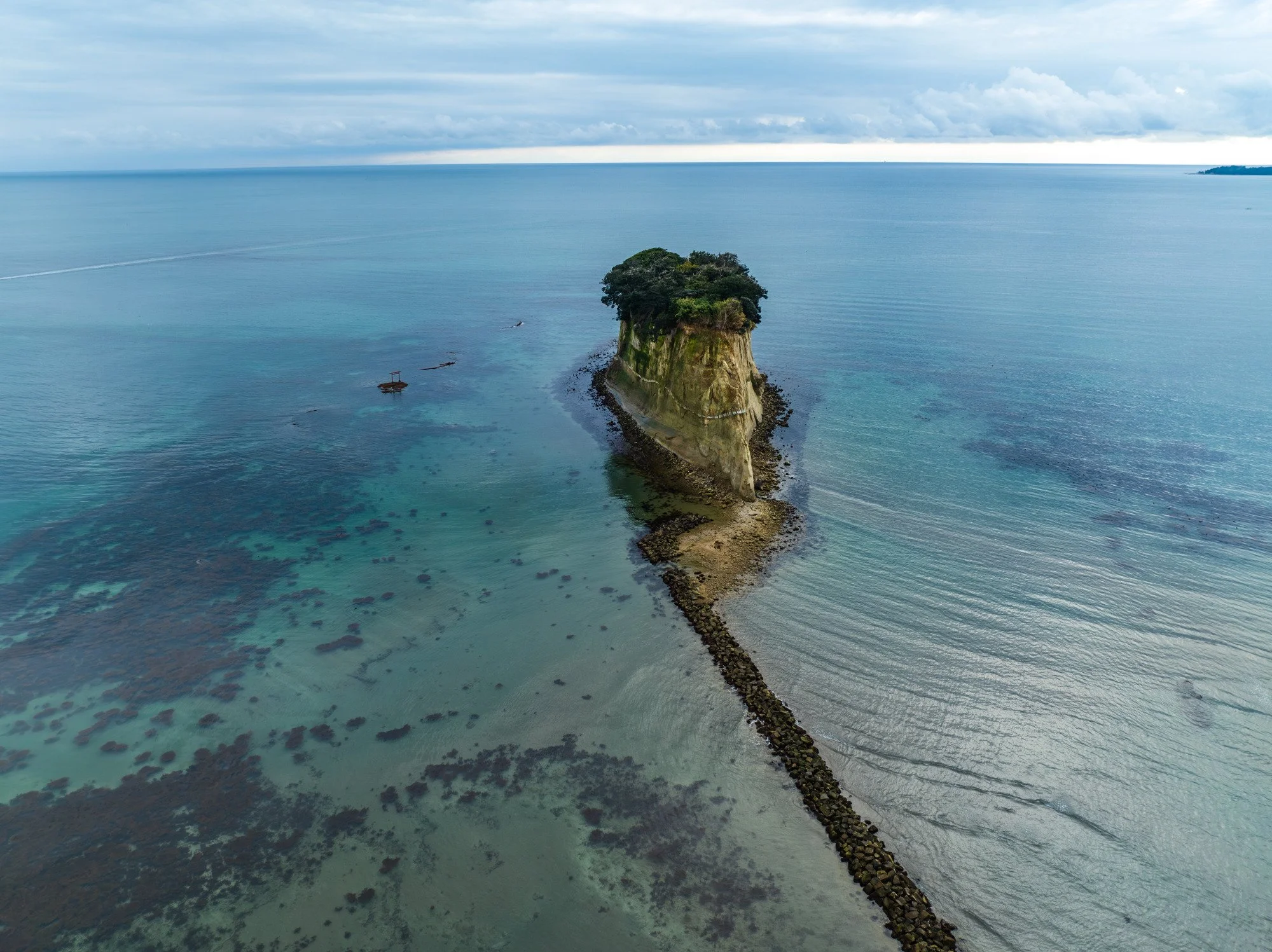
Mitsukejima 見附島
The Hokuriku region—stretching along Japan’s Sea of Japan coast through Toyama, Ishikawa, and Fukui—has long been shaped by mountains, water, and craft. Known for its heavy winters and rich natural resources, the region has developed a food culture and material tradition deeply tied to place.
This four-part series explores Hokuriku through what it produces, preserves, and practices—moving between kitchens, workshops, villages, and sacred sites.
In this first installment, we focus on where to eat and drink, from dark soy ramen in Toyama to soba in Fukui and historic sake brewing in Kanazawa.
Part 1
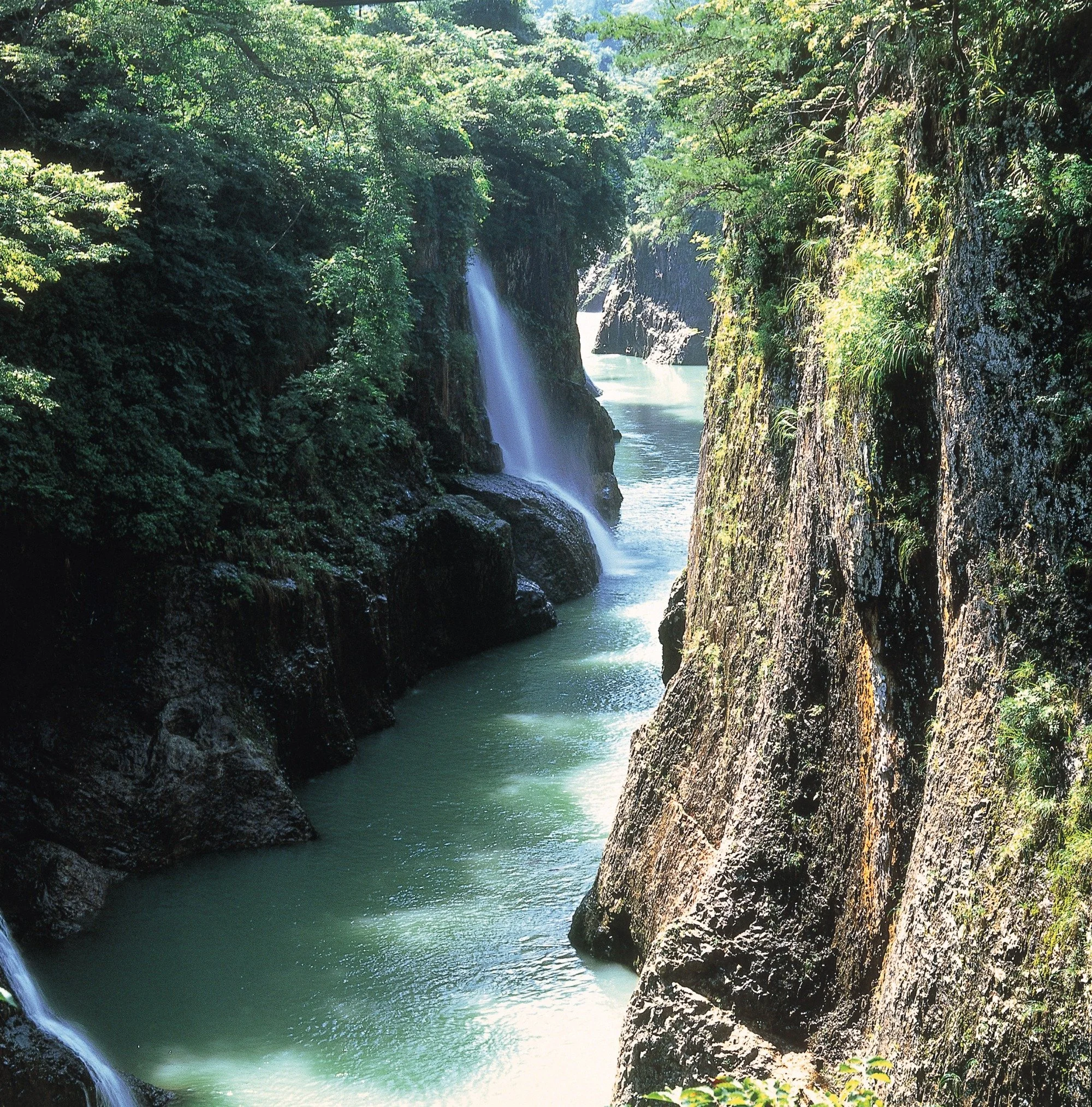
Tedori Gorge 手取峡谷
Japan often reveals itself in small, deliberate moments: the careful whisk of matcha in a tea ceremony, the soft bow before entering a shrine, the steady hands of a craftsperson shaping clay or paper. These details offer a sense of calm that feels increasingly rare in modern travel. While Tokyo and Kyoto continue to attract visitors from around the world, there are still regions where these traditions unfold at an unhurried pace.
One such place is Hokuriku.
Located along the northwestern coast of central Japan, Hokuriku stretches between the Sea of Japan and the dramatic peaks of the Tateyama mountain range. The region is made up of three prefectures — Toyama, Ishikawa, and Fukui — each with its own culinary specialties, craft heritage, and local character. Together, they form a landscape where nature, craftsmanship, and food are woven into everyday life.
Hokuriku is a destination for travelers who value texture over spectacle. Mountain paths wind through mossy forests and temple grounds, where visitors can take part in meditation or quiet walks. Artisan workshops keep centuries-old practices alive, from metalwork and ceramics to lacquer and washi paper. Hot springs offer rest after long days of exploring, and meals often center on what the sea and fields provide that season — particularly seafood, which is among the freshest in Japan.
Despite its depth of culture and scenery, Hokuriku remains less traveled than Japan’s major cities. This makes it especially appealing for those seeking a slower, more intimate encounter with the country. Markets feel local, streets feel lived-in, and interactions with craftspeople and shop owners often unfold without the filter of mass tourism.
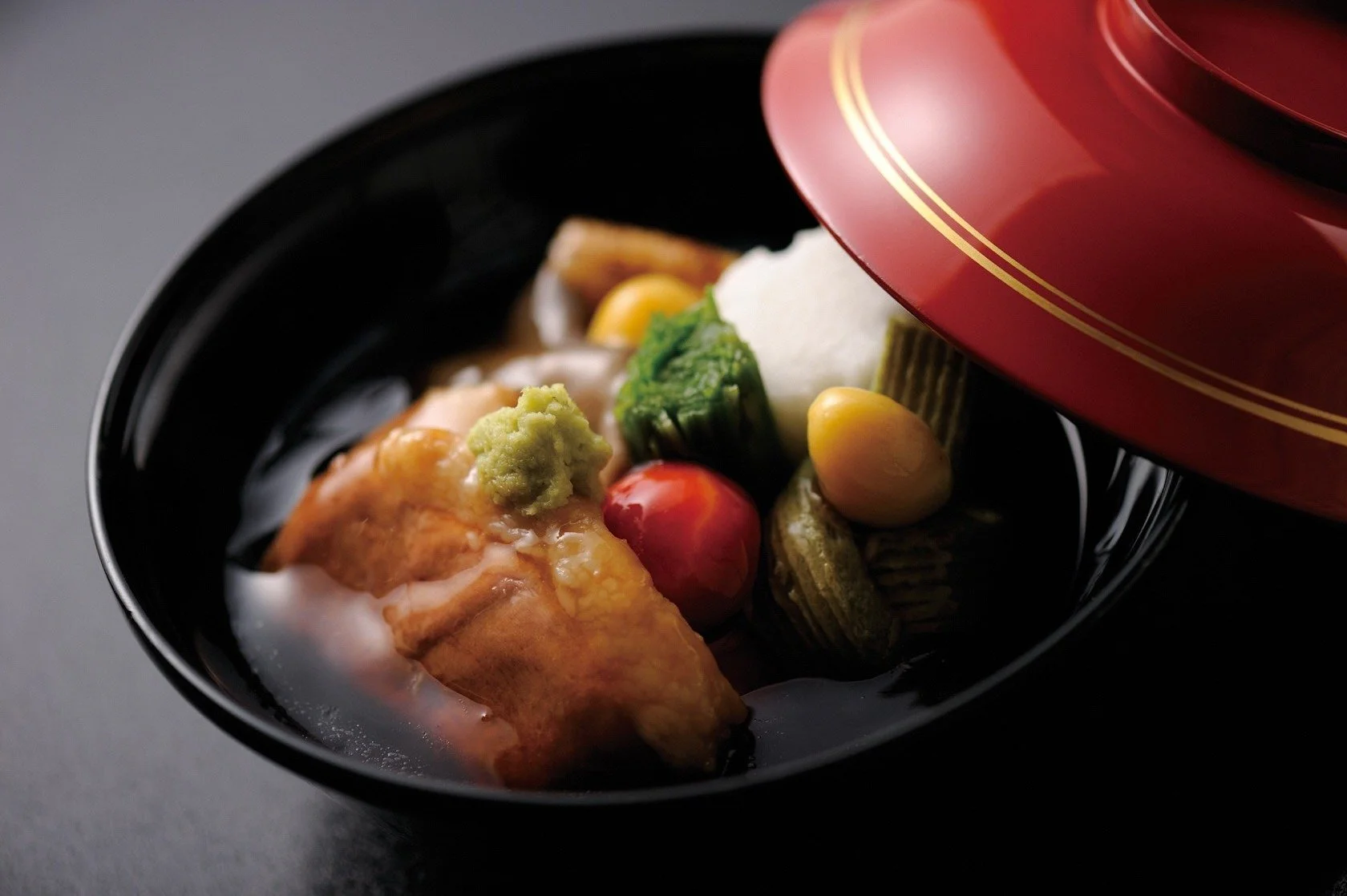
Jibu-ni 治部煮
Geographically, Hokuriku’s position between mountains and sea shapes everything from its climate to its cuisine. Winters are known for heavy snowfall in the mountains, while coastal towns rely on cold currents that produce exceptional fish and shellfish. This relationship with the natural environment has long influenced how people build, cook, and make things here — with attention to durability, seasonality, and preservation.
Rather than offering a single must-see landmark, Hokuriku presents itself as a collection of experiences: walking through a historic townscape, watching lacquer dry in an artisan’s studio, soaking in an outdoor bath as snow falls, or tasting sushi that reflects the waters just beyond the shore. It is a region that rewards time and curiosity, inviting travelers to notice not only what is beautiful, but what is carefully made and quietly maintained.
In the posts that follow, we’ll explore where to stay, what to eat and drink, and what to do in Hokuriku — moving through the region as one might travel through Japan itself: thoughtfully, and with attention to the details that give a place its meaning.
This story is part of a four-part exploration of Japan’s Hokuriku region, looking at how food, craft, and landscape shape daily life along the Sea of Japan coast.
Read the full series:
Part 1: Introduction
Part 2: Where to Stay
Part 3: Where to Eat
Part 4: What to do