

What to Do in Hokuriku: Crafts, Villages, and Living Traditions
Beyond the table and the hotel, Hokuriku is a landscape of craft, ritual, and heritage. From Zen temples and mossy shrines to UNESCO-listed villages and traditional workshops, the region invites travelers to witness the making of art, the rhythms of daily life, and quiet moments of reflection. In this final installment, we guide you through activities and cultural experiences that bring Hokuriku’s history and traditions vividly to life.
Part 4
Hokuriku offers experiences rooted in making, movement, and quiet observation. Visitors can explore centuries-old villages, walk through preserved geisha districts, and witness traditional crafts such as metal casting, knife making, and washi paper production. In Ishikawa, long-established traditions of lacquerware and Kutani ceramicware reveal how surface, form, and function evolve through generations of artisans. From moss-covered shrine paths to hands-on workshops and Zen meditation, these activities show how history and daily life remain closely intertwined across Toyama, Ishikawa, and Fukui.
Learn About Local Crafts
Metal Casting in Takaoka (Toyama)
Metal casting has shaped Takaoka for over 400 years, producing objects ranging from tea kettles to Buddhist altar fittings. Workshops allow visitors to observe traditional sand-casting techniques and experience the process firsthand, offering insight into how utilitarian forms become refined craft.
Kumiko Woodworking (Toyama)
Kumiko is a heritage woodworking technique that assembles thin wooden strips into intricate patterns without nails or glue. Factory tours and hands-on sessions introduce this delicate lattice work, traditionally used for architectural panels and screens.
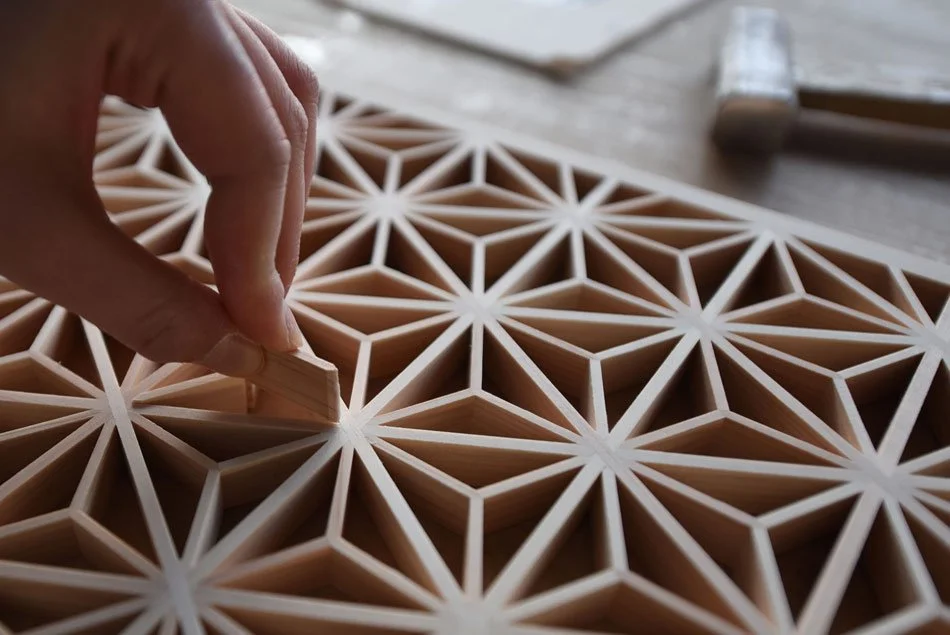
Kumiko Woodwork
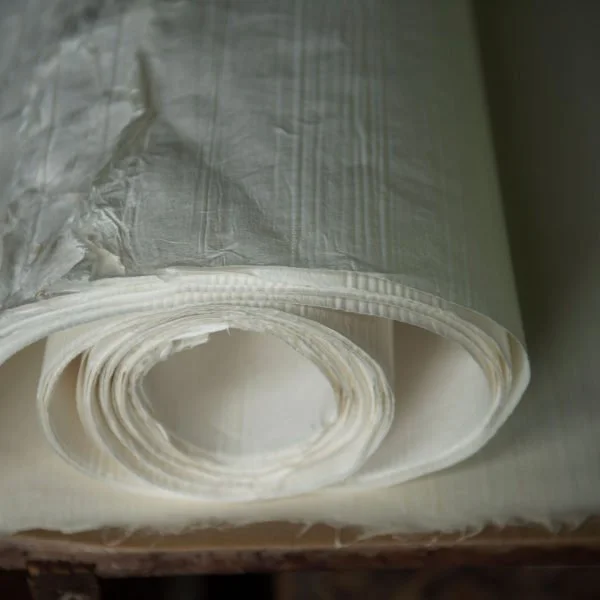
Washi Paper
Washi Paper in Echizen (Fukui)
Echizen has produced washi paper for over 1,500 years. Local studios open their doors for demonstrations and workshops, showing how fibers are transformed into paper used for calligraphy, lighting, and packaging.
Knife Making in Echizen (Fukui)
Echizen’s forged blades have been made for more than 700 years. Visitors can observe hammering and sharpening techniques and learn how blade-making connects with Echizen’s lacquerware tradition through finished handles.
Lacquerware in Yamanaka (Ishikawa)
Yamanaka Onsen remains one of Japan’s most important centers of lacquerware, known for lathe-turned wooden forms and layers of natural urushi. The craft emphasizes durability, warmth, and balance between surface and shape—qualities that continue to influence contemporary tableware.
Kutani Ceramicware (Ishikawa)
Kutani ware is known for its painted surfaces and evolving visual language. While rooted in historic palettes and motifs, modern makers reinterpret the tradition through personal styles and experimental forms, demonstrating how Kutani remains a living ceramic culture.

Yamanaka Lacquerware Oryoki
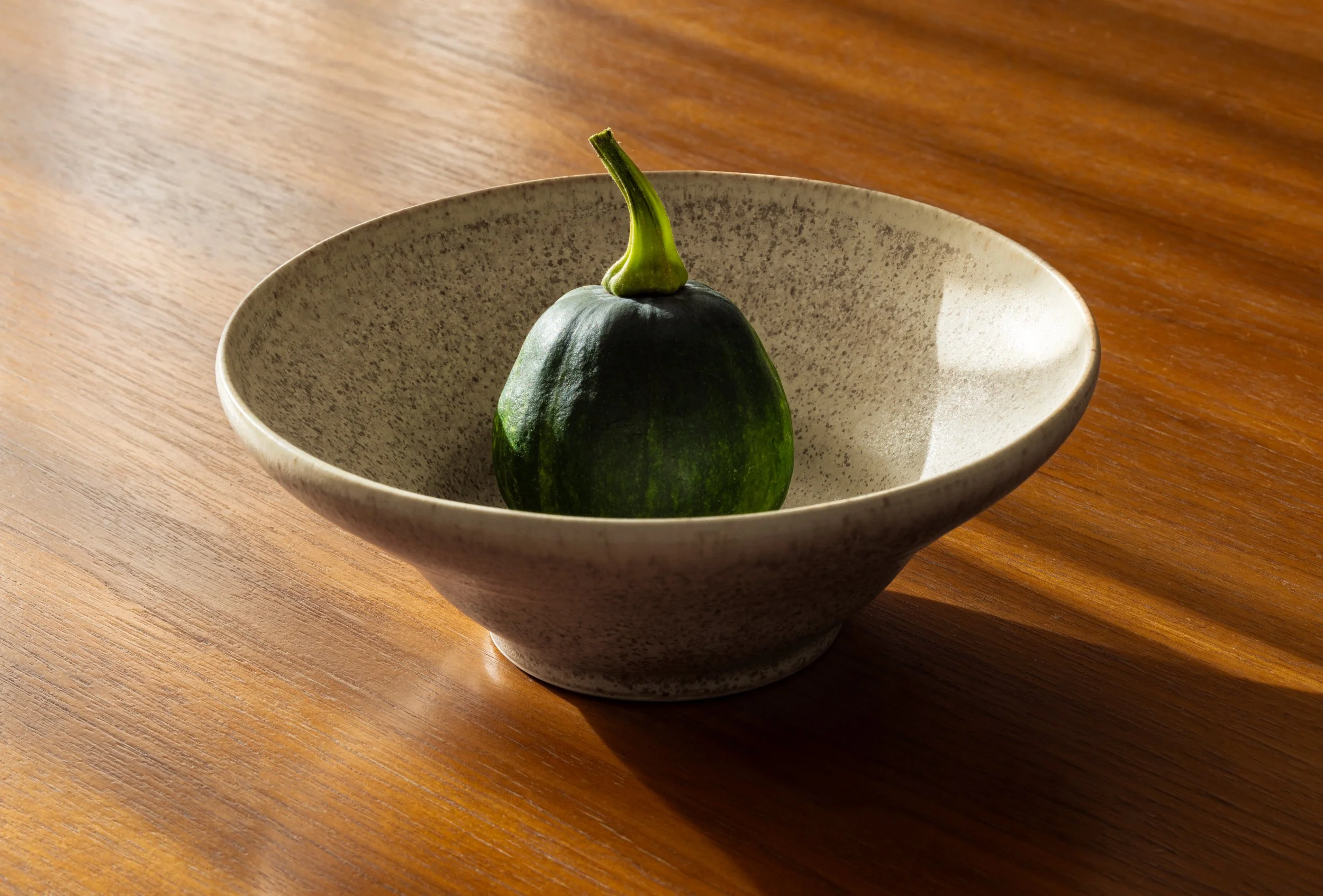
Ceramic from Ishikawa
Explore Historic Places
Ainokura Village (Toyama)
This remote UNESCO World Heritage Site is composed of traditional thatched-roof houses set deep in the mountains of Gokayama, offering a rare view of rural architecture preserved across centuries.
Higashi Chaya District (Kanazawa)
One of Kanazawa’s historic geisha districts, Higashi Chaya features Edo-period teahouses and small craft shops, including those dedicated to gold leaf, for which the city is renowned.
Heisenji Hakusan Shrine (Fukui)
Originally founded in 717, this moss-covered shrine complex sits along a cedar-lined mountain path, offering a meditative walk through forest and stone.
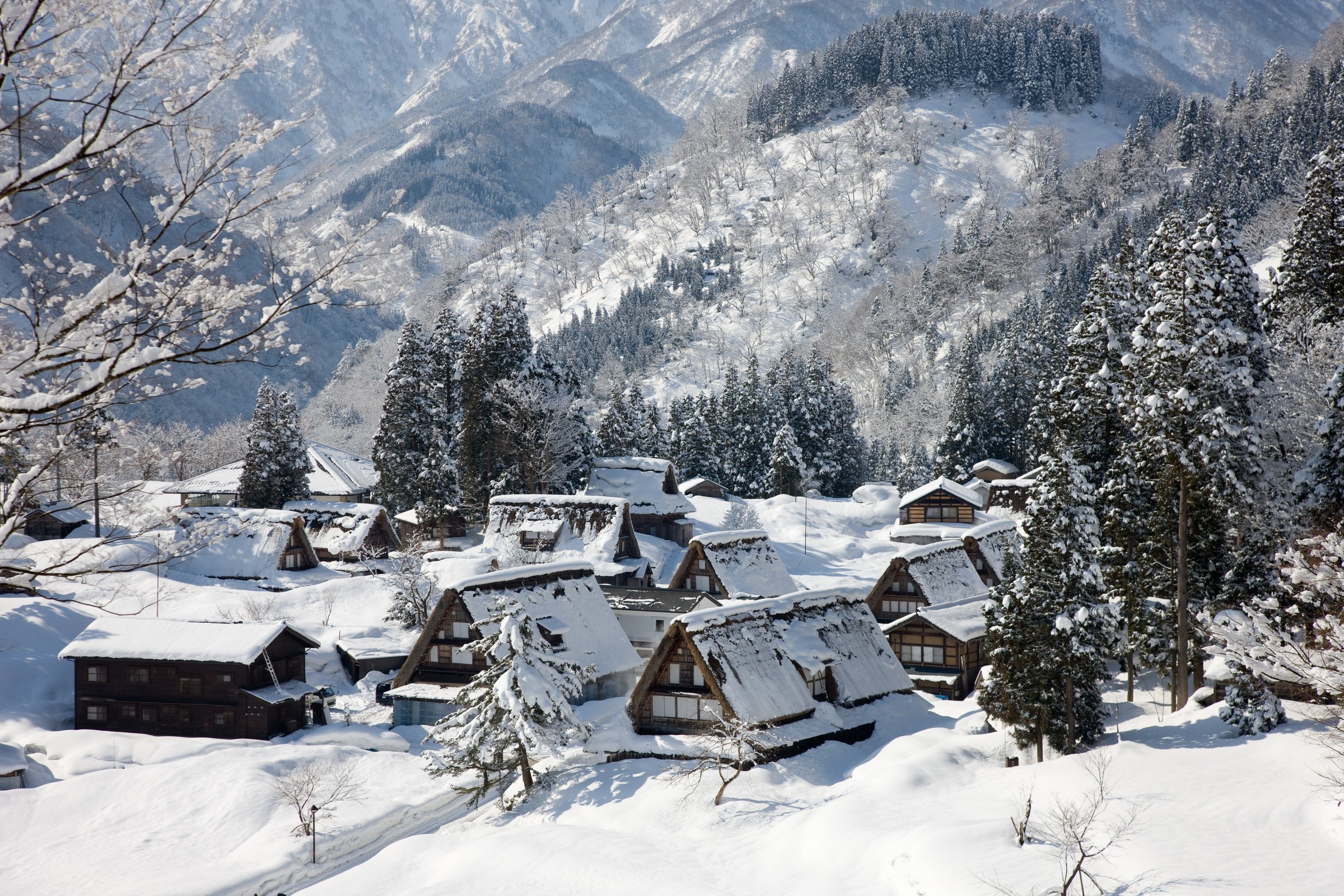
Ainokura Village
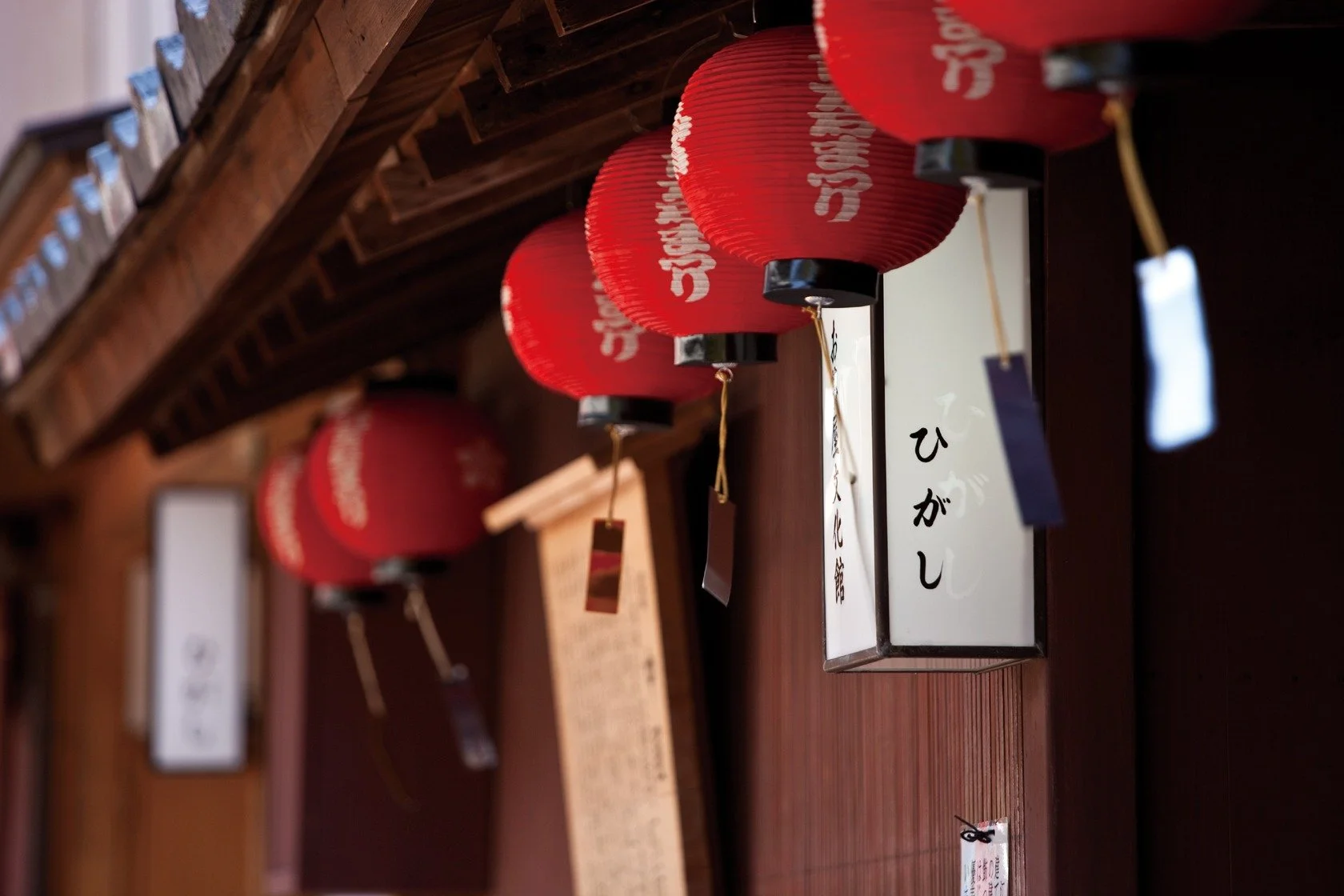
Higashi Chaya ©石川県観光連盟
Experience Traditional Culture
Geisha Performances (Kanazawa)
Select venues in Kanazawa offer bookable performances that include music, dance, and traditional games, providing a respectful introduction to geiko culture.
Zen Meditation at Kippoji Temple (Fukui)
Founded by Zen master Dōgen, this temple offers meditation sessions and simple vegetarian meals, connecting visitors with Echizen’s spiritual traditions.
Toyama Glass Art Museum (Toyama)
Designed by Kengo Kuma, the museum houses international glass works and integrates library spaces into its cedar-clad interior, linking contemporary design with traditional materials.
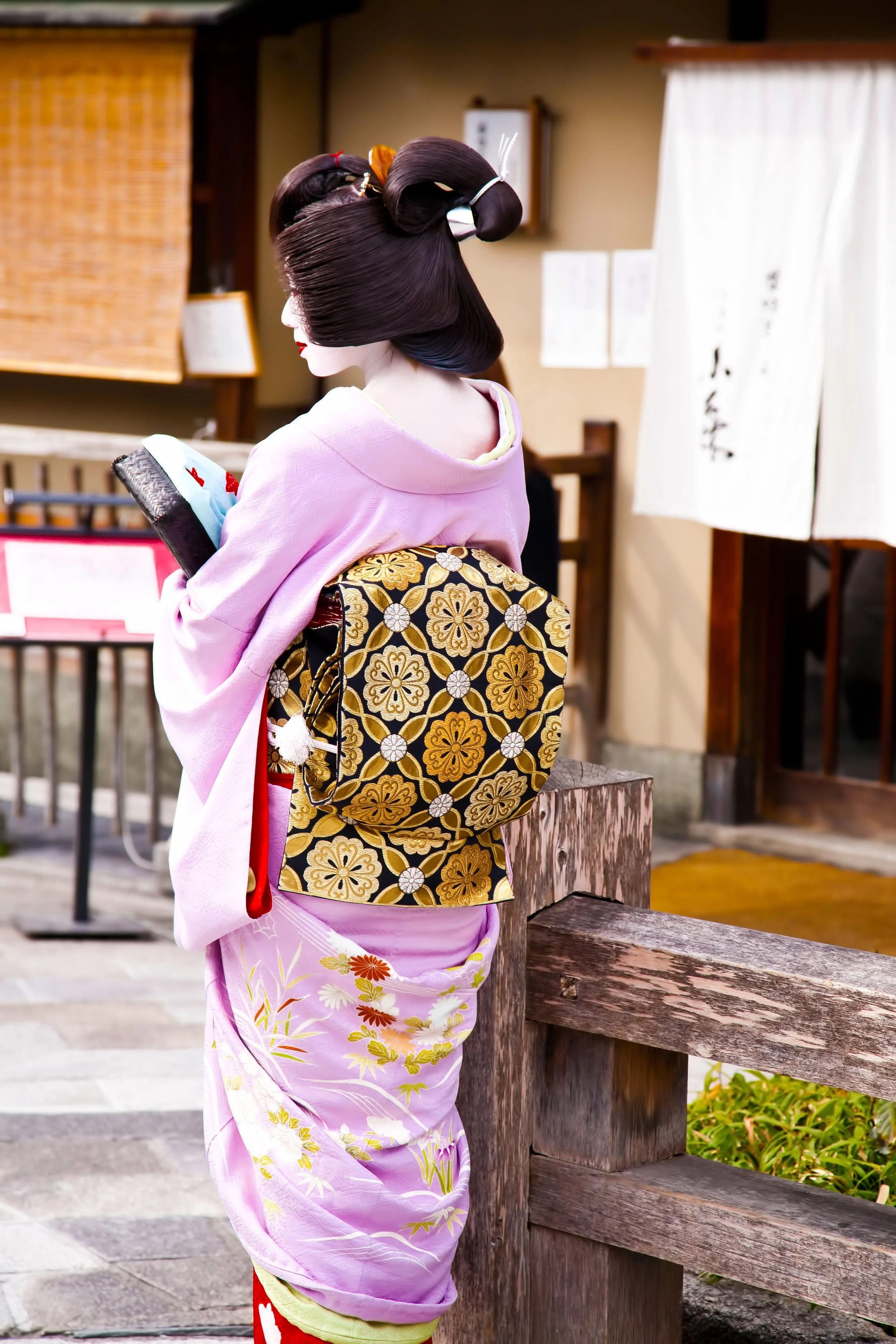
Geisha
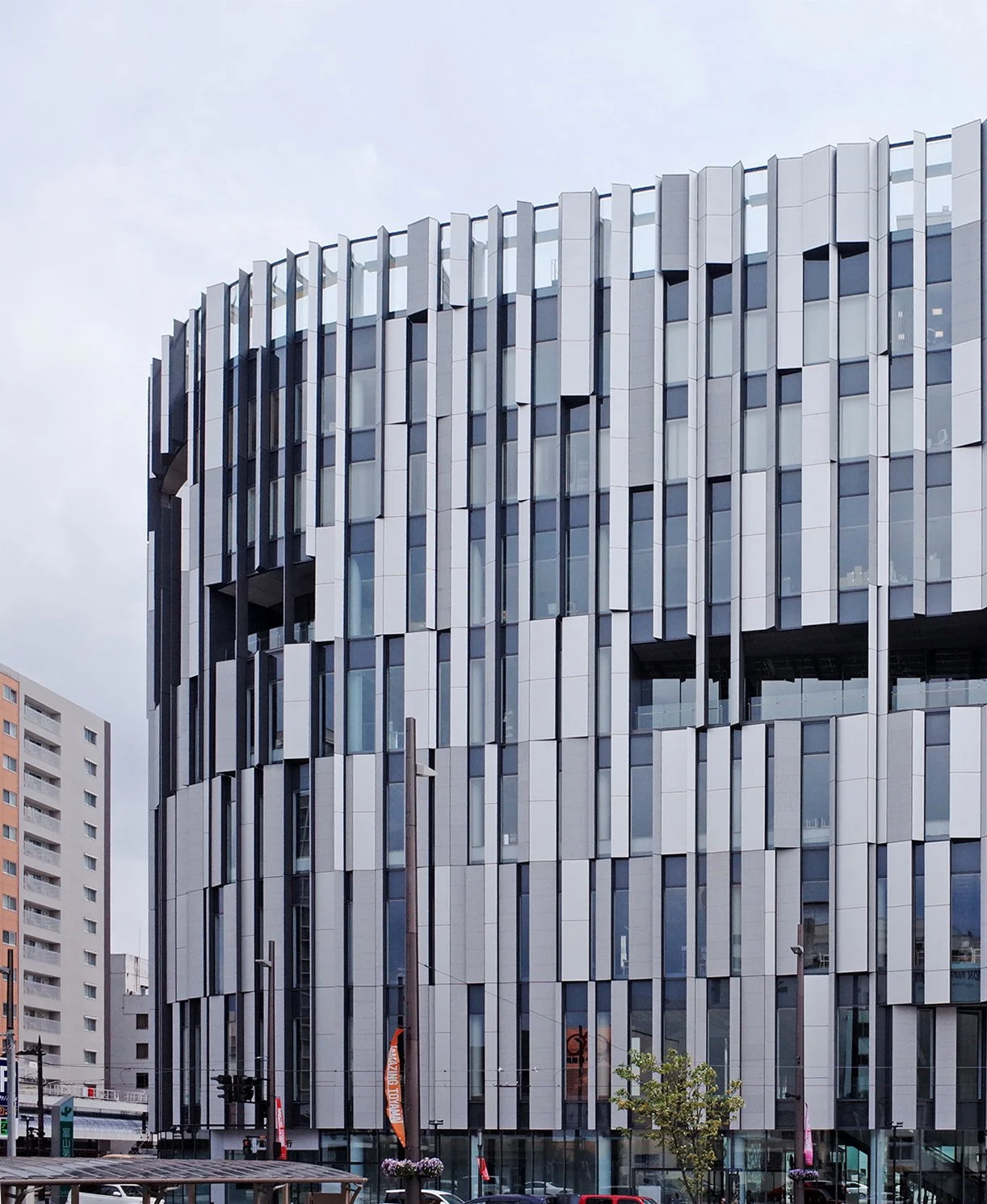
Toyama Glass Art Museum
Hokuriku is a region best experienced through making, walking, and observing. Rather than focusing on single landmark attractions, it offers encounters with craftspeople, historic towns, and landscapes shaped by centuries of daily use. Activities here tend to be immersive and tactile — inviting visitors to slow down and participate, rather than simply pass through.
Objects Related to This Story
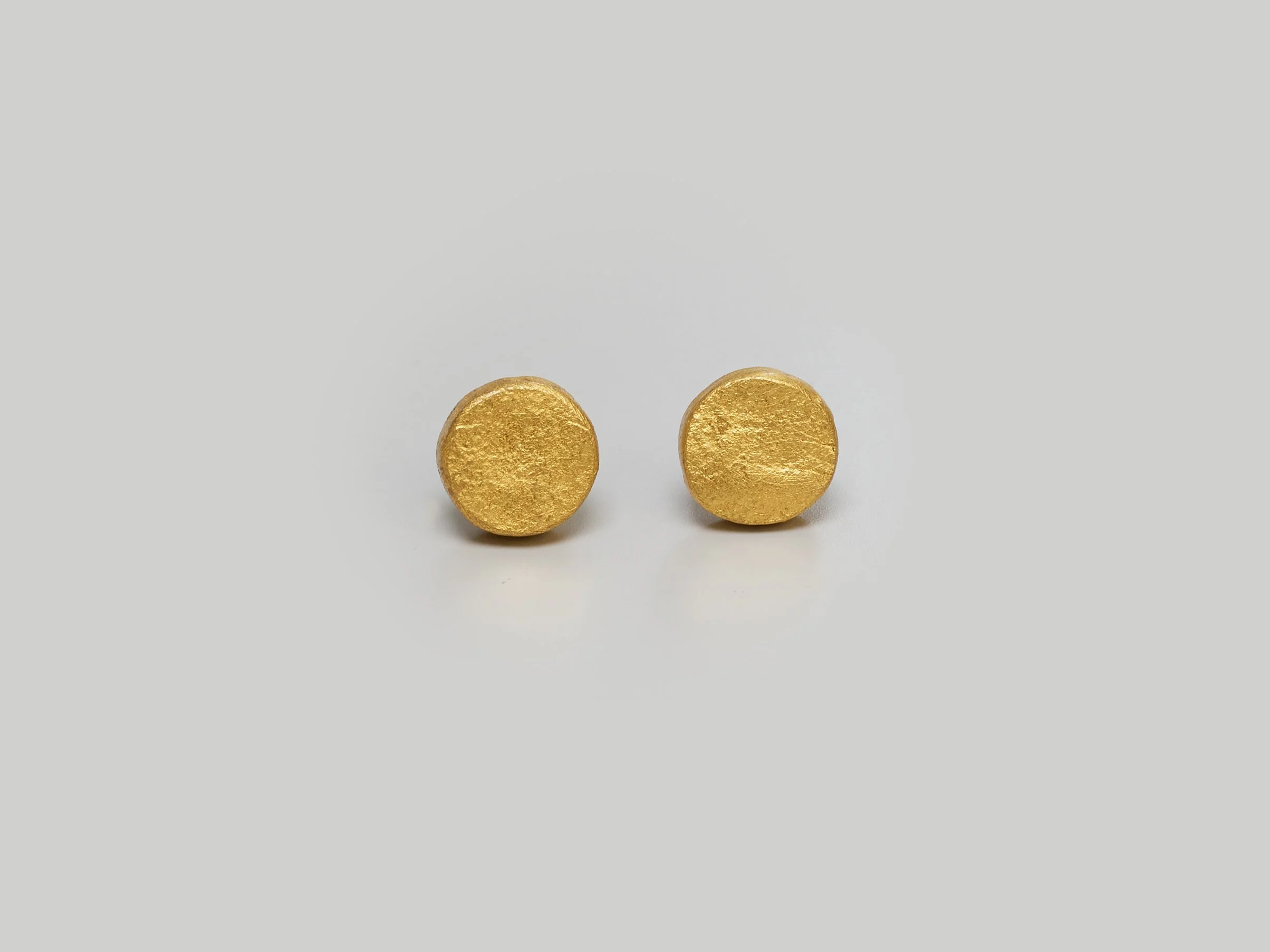
These elegant earrings from Takano Bamboo are made from hand-cut segments of bamboo, paired with titanium posts for comfort and durability. The soft sheen of the gold-finished surface highlights the bamboo’s natural ridges—known as fushi (節)—offering a form that is both simple and full of organic presence.
Bamboo has long been cherished in Japan for its strength, resilience, and quiet beauty. It grows quickly, requires no replanting, and thrives with little water—making it one of the most sustainable natural materials. For over a century, Takano Bamboo has crafted refined, functional pieces in Kyoto using time-honored techniques.
Lightweight, understated, and kind to both the body and the earth, these earrings make a thoughtful gift—for yourself or someone who values design rooted in nature.
These are all made by hand, so each one may differ from the photo and listed measurements.
Material: Bamboo, titanium
Approx. 8mm D (0.3" D)
Come in a gift box
TB16


These elegant, square-profile chopsticks are crafted from carefully selected, thick-walled bamboo—nurtured and dried over years by skilled artisans—and shaped to fit comfortably and naturally in the hand.
Thanks to their fine, square tips, they allow you to firmly grasp even small, granular foods.
Please choose the color.
225mm L (8.85”L)
TB05 Black
TB06 White
Arrives in a gift box.
Stand not included


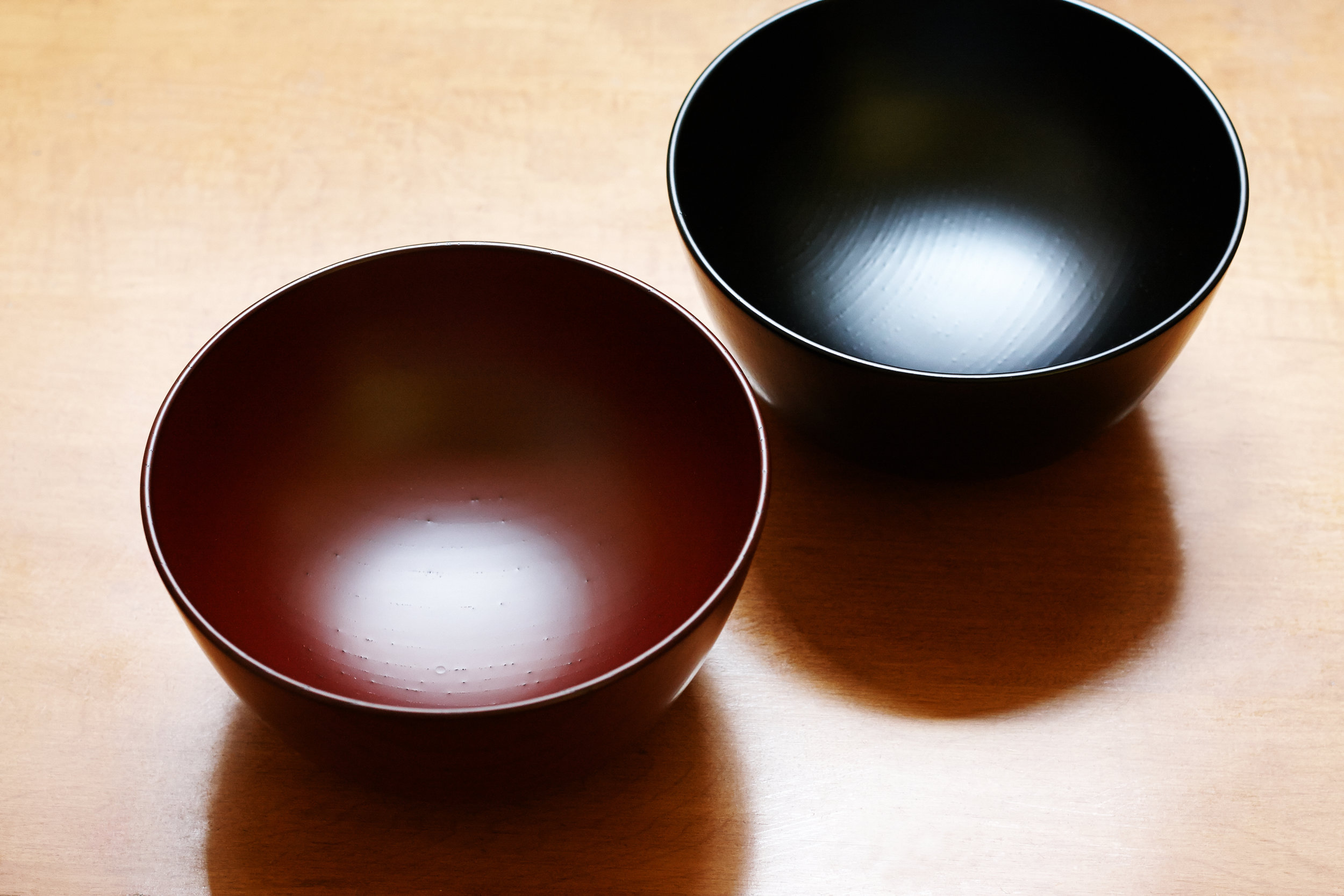
Both of these bowls are strong and solid, yet striking in their simple beauty. The skills of the artisans who made these is obvious, showing grain that is hinted at through the lacquer, promising to emerge subtly with age. The feel as you hold them is one of strength, and you could easily see them lasting hundreds of years. The red bowl is a deep red, almost reddish-brown, incredibly striking in a subdued kind of way. The black bowl retains a soft sheen with ever-so-slight hints of burgundy.
approx. 180mm D x 94mm H (7"D x 3.7"H )
Lacquered Japanese Zelkova wood
KI01(Black)
KI02(Red)
These are made by hand so each one may differ slightly from the photo, they all have their own character.
Visit Product care page
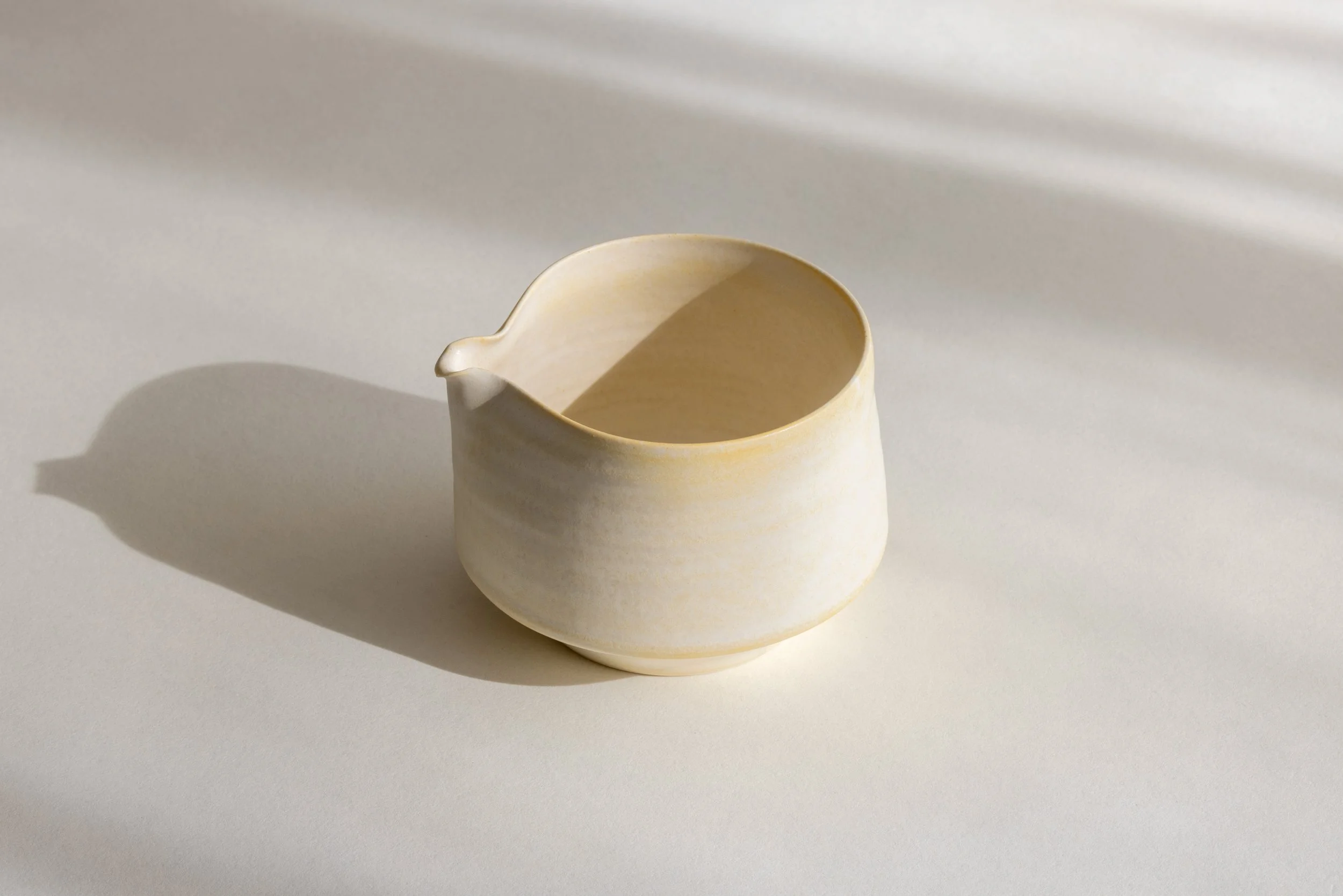
This quietly luminous katakuchi bowl is finished with a soft white glaze developed at the request of a chef who runs a restaurant in Noto.
When he described it as evoking the purity of dishes offered before the gods, the artist felt deeply moved — and decided to continue creating with this glaze.
The subtle warmth of the surface and gentle contours express a quiet reverence, embodying simplicity and grace at the heart of Japanese aesthetics.
approx. 103mm D x 78mm H (4” x 3”)
$120
AY09
These are all made by hand, so each one may differ from the photo and listed measurements.
クリーム片口鉢(Cream Katakuchi Bowl)
結城彩
穏やかな光をたたえた片口鉢は、能登でレストランを営む方からの依頼をきっかけに生まれた白い釉薬で仕上げられています。
その方が「神前に供える料理のようだ」と語ってくださったことが、作家にとって大きな喜びとなり、この釉薬を続けていこうと思うきっかけになりました。
やわらかな白の表情と静かなフォルムには、清らかさと品格が宿り、日本の美意識の根底にある静けさを映し出しています。
This story is part of a four-part exploration of Japan’s Hokuriku region, looking at how food, craft, and landscape shape daily life along the Sea of Japan coast.
Read the full series:
Part 1: Introduction
Part 2: Where to Stay
Part 3: Where to Eat
Part 4: What to do