

Tanabata — Story of Two Star-crossed Lovers

市中繁栄七夕祭 by Hiroshige
Today is a special day all over Japan where people celebrate Tanabata, the Star Festival. Tanabata is celebrated to commemorate the romantic story of two lovers represented by the stars Vega and Altair who are only allowed to meet each other once a year as long as the skies are clear. It is celebrated on the 7th day of the 7th lunar month, which is July 7th in the modern calendar. Some places in Japan celebrate Tanabata on August 7th in accordance with the older Chinese calendar, which is where the legend originated. The most famous of all the Tanabata festivals is celebrated in Sendai on August 7th, but most of Japan recognizes Tanabata today (July 7th).

Tanabata Festival in Edo (Hiroshige, 1852)
On Tanabata, people write wishes on small pieces of colored paper called tanzaku and hang them on bamboo trees. These become beautiful wish trees. On the following day, the decorated trees are floated on a river or in the ocean and burned as an offering. There are many celebrations all over Japan, which also include parades, food stalls, colorful decorations, and fireworks.
Tanabata originated from a Chinese legend called Qixi and was brought to Japan in the 8th century. This is the story of two lovers.
Princess Orihime, the seamstress, wove beautiful clothes by the heavenly river, represented by the Milky Way. Because Orihime worked so hard weaving beautiful clothes, she became sad and despaired of ever finding love. Her father, who was a God of the heavens, loved her dearly and arranged for her to meet Hikoboshi, the cow herder who lived on the other side of the Milky Way. The two fell in love instantly and married. Their love and devotion was so deep that Orihime stopped weaving and Hikoboshi allowed his cows to wander the heavens.

Orihime’s father became angry and forbade the lovers to be together, but Orihime pleaded with him to allow them to stay. He loved his daughter, so he decreed that the two star-crossed lovers could meet once a year — on the 7th day of the 7th month if Orihime returned to her weaving. On the first day they were to be reunited, they found the river (Milky Way) to be too difficult to cross. Orihime became so despondent that a flock of magpies came and made a bridge for her. It is said that if it rains on Tanabata, the magpies will not come, and the two lovers must wait another year to be reunited, so Japanese always wish for good weather on Tanabata. There are many variations of this story, but this version is the most widely held.
We hope for clear skies on Tanabata so the lovers can always be reunited.
Authentic Japanese Artisanal Gifts for Special Occasions
Seasonal festivals like Tanabata are deeply connected to Japanese craft traditions. Objects used in daily life — from glassware to ceramics — often reflect nature, stars, and seasonal symbolism.
Looking for a unique, high-end gift steeped in traditional culture?
Authentic Japanese handmade crafts make exceptional luxury gifts for weddings, anniversaries, and corporate milestones.
Each piece is individually handcrafted by master artisans using centuries-old techniques.
Edo Kiriko Glassware: Hand-blown and meticulously hand-cut glassware featuring traditional patterns. Presented in a luxury kiribako wooden box. Perfect for executive gifting.
Handcrafted Bamboo Vases: Minimalist, sustainable decor handmade in Kyoto. Brings the quiet elegance of Japanese tea rooms into modern homes.
Artisanal Ceramic Tableware: One-of-a-kind functional art that develops deep character and patina over decades of daily use.
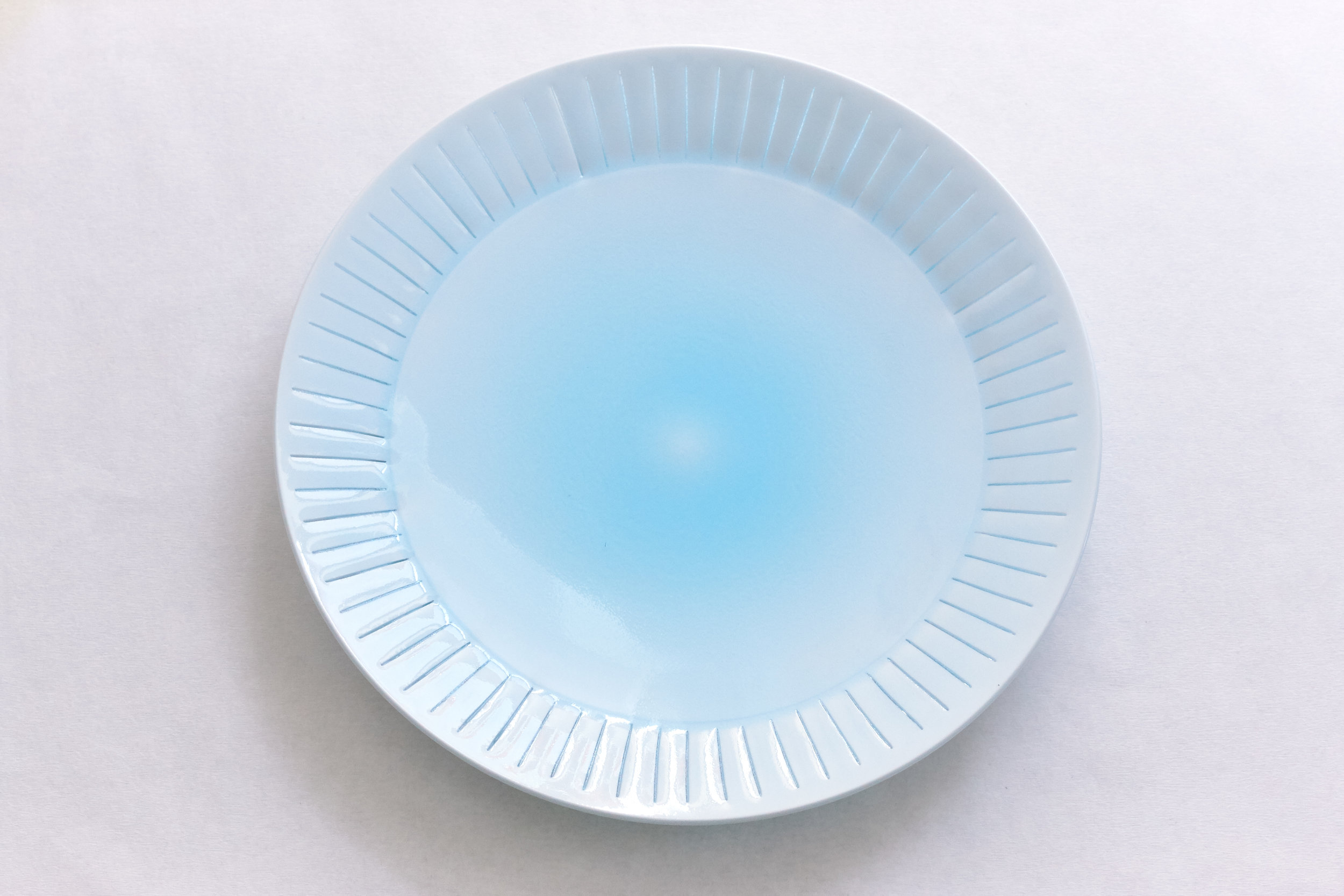
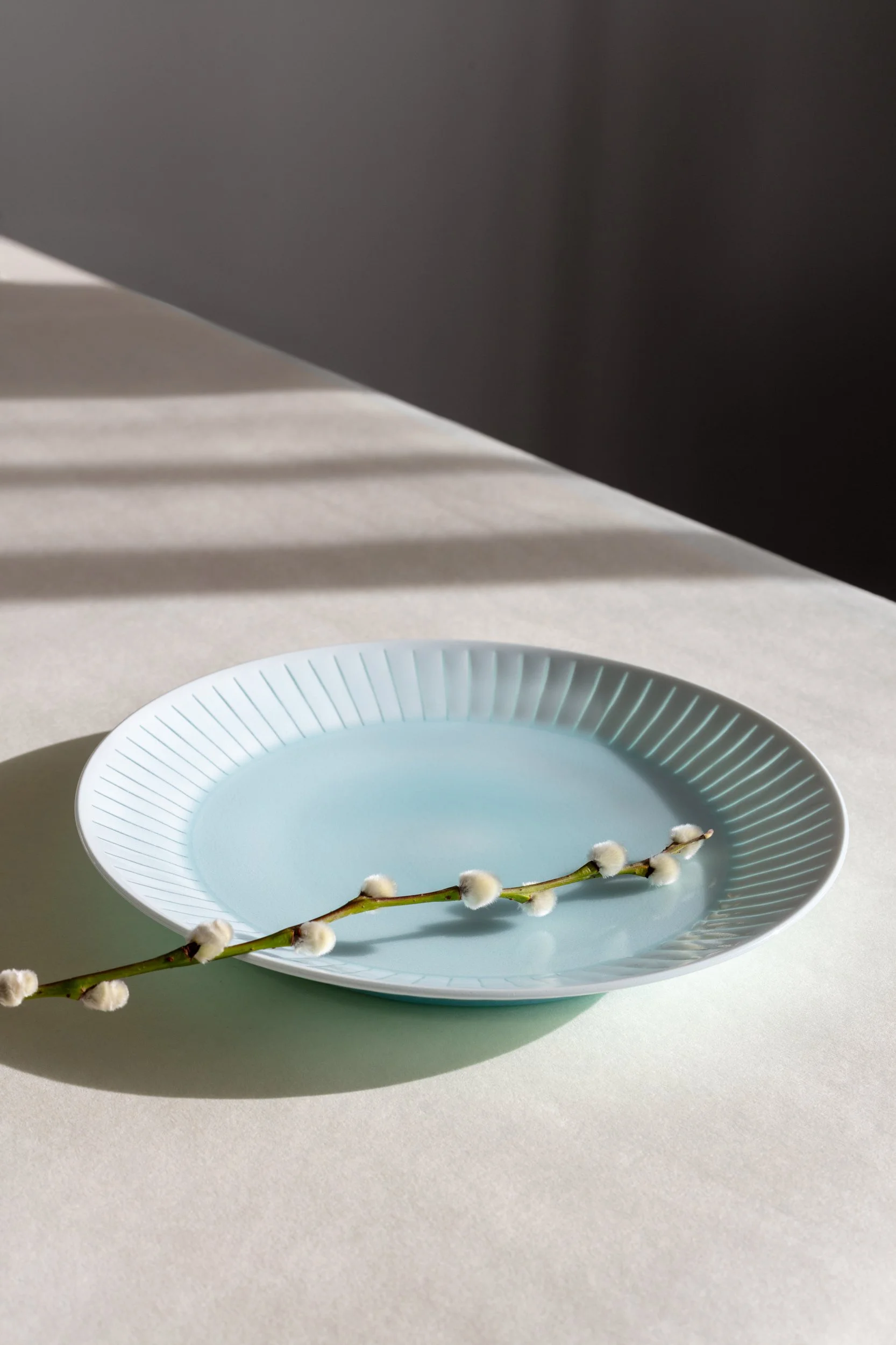
Kotaro Ikura, an award-winning ceramic artist from Nara, brings forth the Flower of Water Plate, a masterful expression of fluidity and light. Crafted using the ancient Hotarude technique, the translucent porcelain reveals delicate, glowing patterns under light—an effect reminiscent of shimmering water. The soft blue hue enhances its ethereal quality, making each plate a functional yet mesmerizing work of art. Handmade with precision, every piece is unique, carrying the serene essence of nature’s quiet beauty.
Medium: approx. 240mm D x 32mm H (9.4” D x 1.25” H)
KO05
Large: approx. 270mm D x 35mm H (10.6” D x 1.4” H)
KO06 - currently unavailable
These are all made by hand, so each one may differ from the photo and listed measurements.

A once-valiant fishing boat captain walks home from the summer festival. He washes and changes into a cotton yukata covered with large fish patterns. His wife pours him a cup of sake and he lies down, exhausted.
Apprx. 355mm x 965mm (14” x 38”)
Material: 100% Cotton
Method: Chusen Dye
OS06
Material and production in Japan
Color and size can be slightly different from the image
It is recommended to hand-wash in cold water at the beginning of use
Product care
夏祭魚之図 ベージュ指分け 夏祭りから戻った釣り船屋親爺。もとは侠客。着替える洗いたてのゆかたは大きな魚の図。おかみさんの酌で一杯。で、ごろり。
素材:綿100%
サイズ:およそ36cm×96cm
染め:注染(ちゅうせん)
手作りのため、色及びさし色の一部は若干変わる場合がございますのでご了承ください。注染は、洗い始めの数回は色が出ますのでご注意ください。
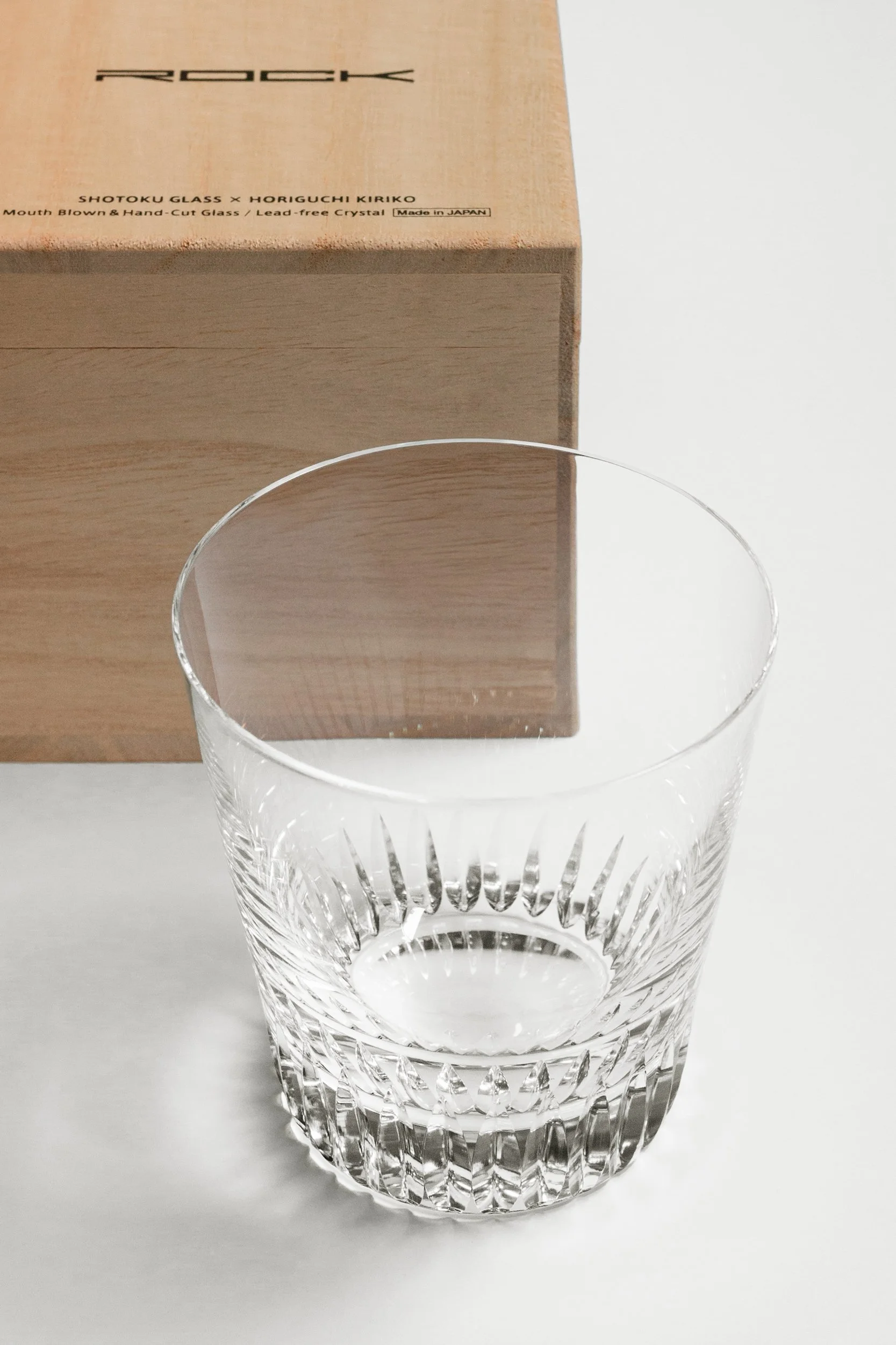
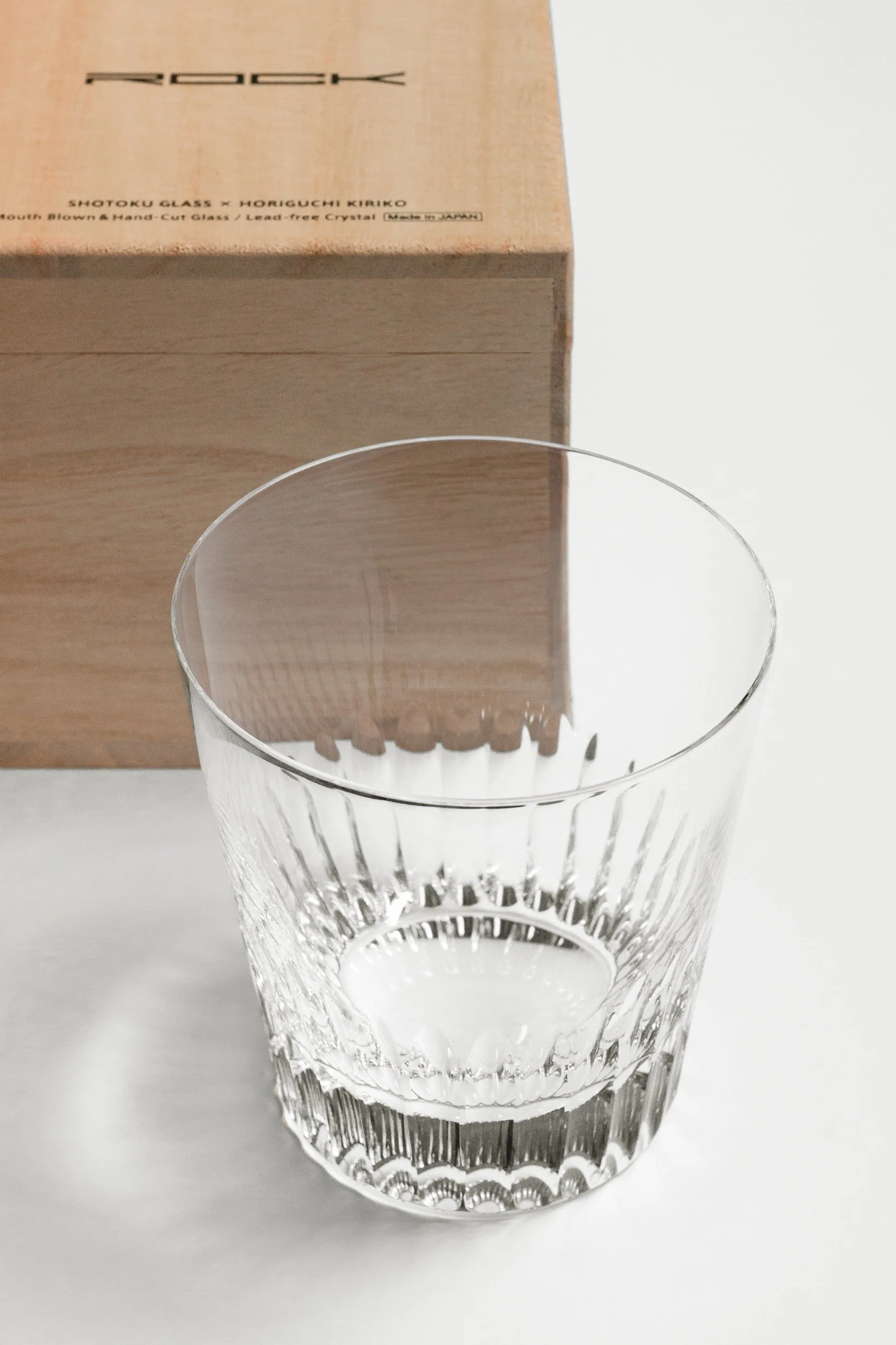
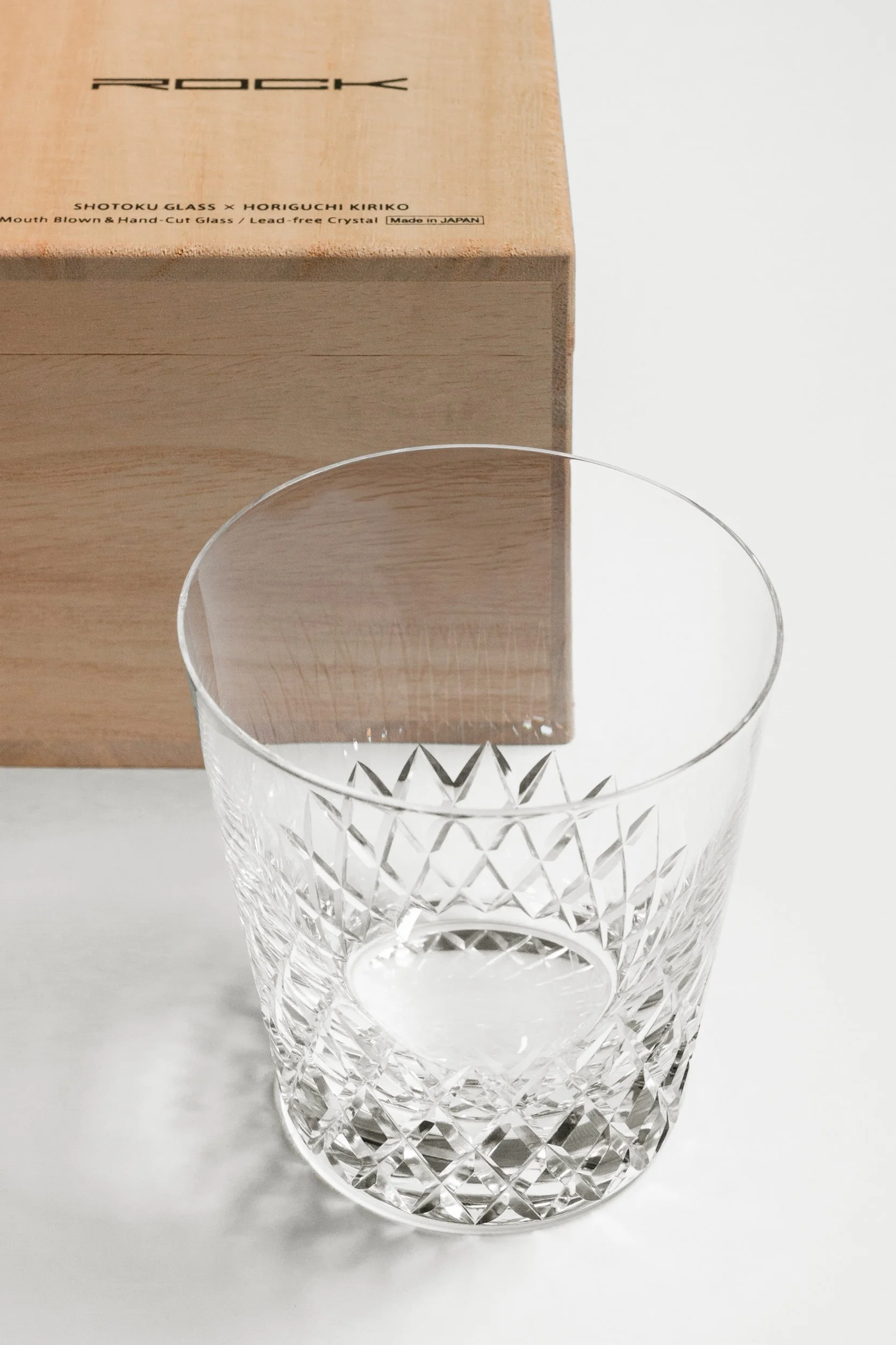
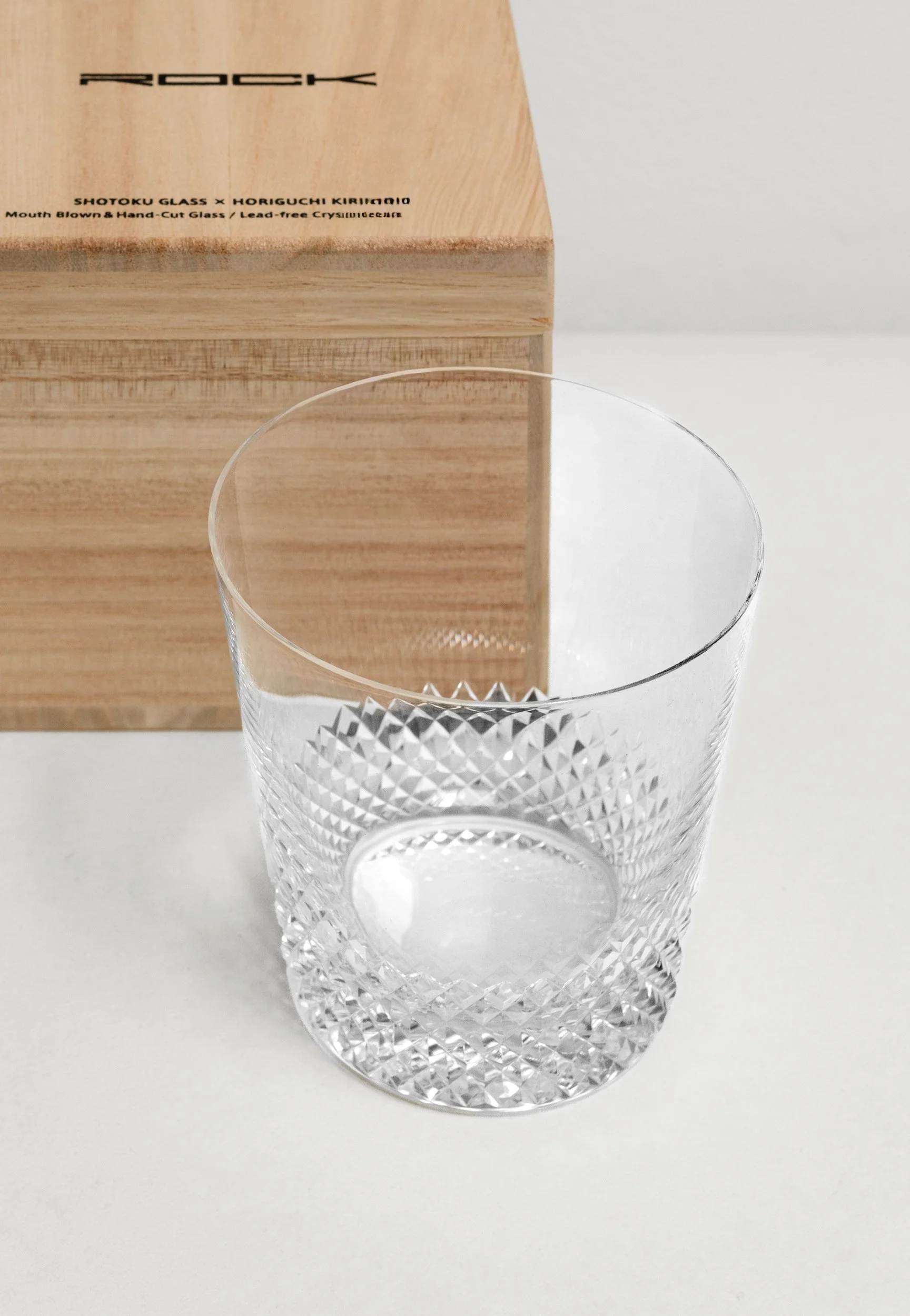
The Horiguchi Kiriko Rock Glass is a stunning embodiment of Edo Kiriko craftsmanship, a traditional glass-cutting technique passed down through generations of the Horiguchi family. Each piece is meticulously hand-cut, reflecting light with remarkable brilliance and showcasing the precision and artistry honed over centuries.
Designed for those who appreciate both tradition and luxury, this glass has a substantial weight in hand, offering a refined, tactile experience that enhances the drinking ritual. Its elegant form makes it an exceptional choice for whiskey and other fine spirits.
A timeless addition to any collection, the Rock Glass is perfect for connoisseurs of Japanese artistry and fine craftsmanship. It also makes a distinguished gift, presented in an elegant kiribako wooden box.
Rock Glass #1: Approx. 84mm D x 88mm H (3.3" D x 3.4" H)
HK07
Rock Glass #2: Approx. 84mm D x 88mm H (3.3" D x 3.4" H)
HK08
Rock Glass #3: Approx. 84mm D x 88mm H (3.3" D x 3.4" H)
HK09
Rock Glass #4: Approx. 84mm D x 88mm H (3.3" D x 3.4" H)
HK10
These are all made by hand, so each one may differ from the photo and listed measurements.
This post is part of our ongoing series on Japanese Seasonal Rituals, exploring how traditions like Oshōgatsu, year-end celebrations, Setsubun, cherry blossom season and Tanabata quietly mark the passage of time throughout the year.