
Setsubun in Japan — Marking the Threshold of Spring
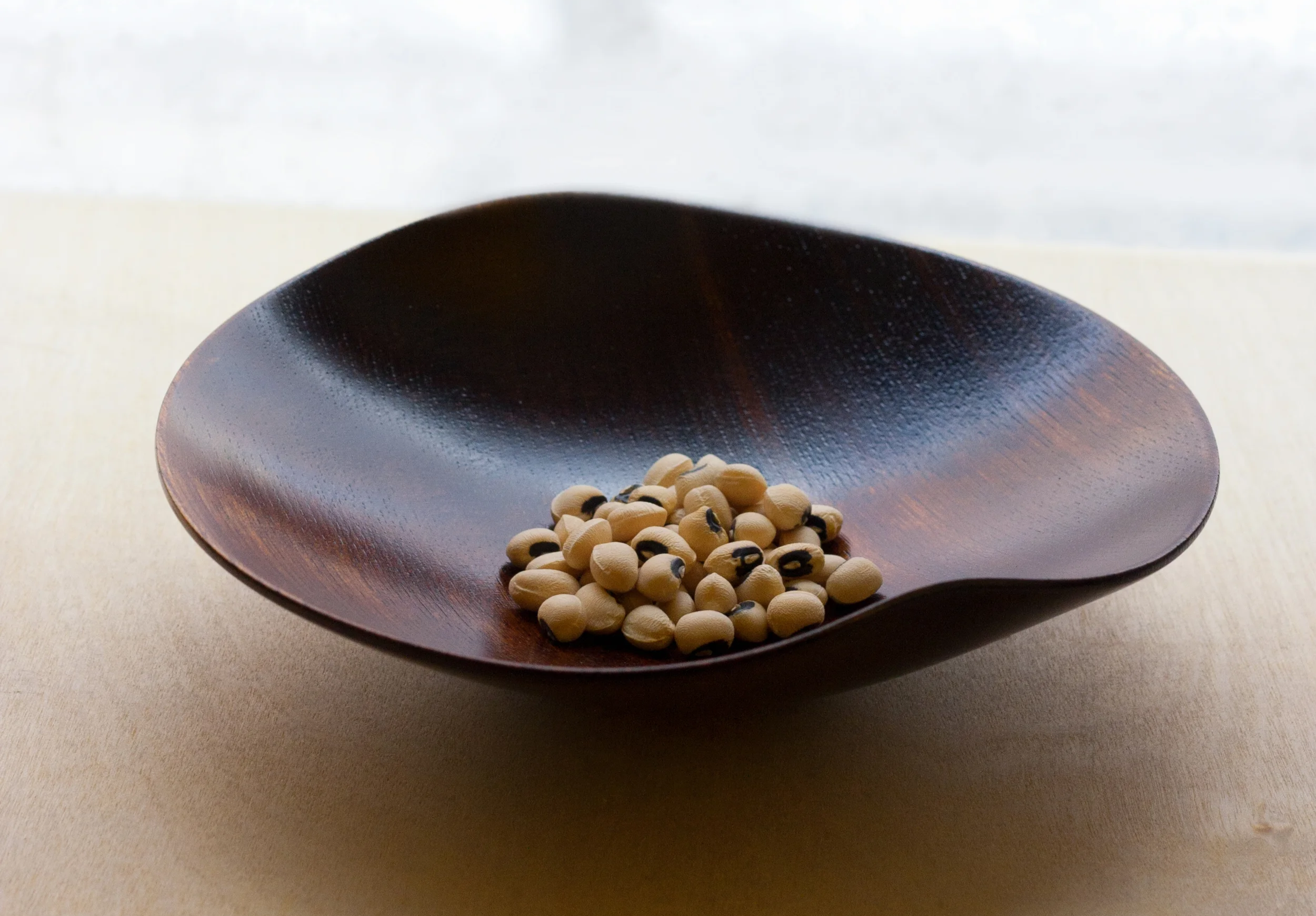
Soy beans in traditional lacquerware
節分 ― 春の節目を祝う日本の伝統
In Japan, Setsubun marks the end of winter and the approach of spring, a moment to cleanse, protect, and prepare for the season ahead. Far from a spectacle, this ritual blends domestic care, symbolic action, and playful tradition.
The Bean-Throwing Ritual
The most iconic practice of Setsubun is mamemaki, the throwing of roasted soybeans to ward off evil spirits and invite good fortune. Families chant, “Oni wa soto! Fuku wa uchi!” — “Demons out! Luck in!” — while scattering beans around the home and entrances.
Household Preparations

Sardine head talisman on house entrance to keep bad spirits away
Leading up to the day, families may sweep and tidy their homes, subtly echoing the year-end Ōsōji tradition. Entrances may also display simple decorations, such as hiiragi (holly) branches with sardine heads, believed to repel misfortune.
Objects and Craft in the Tradition
Even in a playful ritual like Setsubun, craft and materials matter. Roasted soybeans, holly branches, and handmade containers for the beans are part of a continuum of Japanese material culture — simple, functional, and symbolic. These objects quietly connect seasonal rituals to the broader world of Japanese craft and gift-giving.
Reflection and Renewal
Setsubun is a small but meaningful threshold. The act of marking the change in seasons reminds participants that attention, care, and symbolic action can shape daily life in subtle, enduring ways.
The ritual of throwing roasted soybeans during Setsubun reflects the Japanese appreciation for seasonal change and everyday ritual. Many traditional objects used in the home — such as handmade ceramics and lacquerware — reflect this same sensibility.
This post is part of our ongoing series on Japanese Seasonal Rituals, exploring how traditions like Oshōgatsu, year-end celebrations, Setsubun, cherry blossom season and Tanabata quietly mark the passage of time throughout the year.