

Where to Stay in Hokuriku: Ryokan, Boutique Inns, and Mountain Retreats
From riverside retreats in Toyama to boutique stays in the rice paddies of western Toyama, Hokuriku offers lodging that blends natural beauty, history, and contemporary design. In this installment, we highlight hotels and inns that provide more than a place to sleep—they offer immersive experiences, from private onsen baths and curated art collections to thoughtfully restored farmhouses that connect visitors to the rhythms of regional life.
Part 2
Hokuriku’s accommodations reflect the same values found in its food and crafts: attention to detail, a strong sense of place, and a close relationship with the natural environment. From alpine retreats and restored farmhouses to minimalist city hotels and riverside ryokan, staying in Hokuriku is as much part of the experience as sightseeing itself. These properties offer not just comfort, but a deeper connection to the landscapes and traditions that shape the region.
River Retreat Garaku (Toyama)
Tucked into the foothills of the Northern Japanese Alps, River Retreat Garaku sits along a quiet river with misty mountains rising just beyond its banks. The setting feels intentionally secluded, making it an ideal first stop for easing into the rhythm of Hokuriku. Rooms in the annex building feature private indoor hot spring baths, and contemporary artworks are displayed throughout the property, creating a gallery-like atmosphere. The hotel’s main restaurant focuses on seasonal ingredients from Toyama’s rivers, mountains, and coastal waters, grounding each meal in the surrounding landscape.
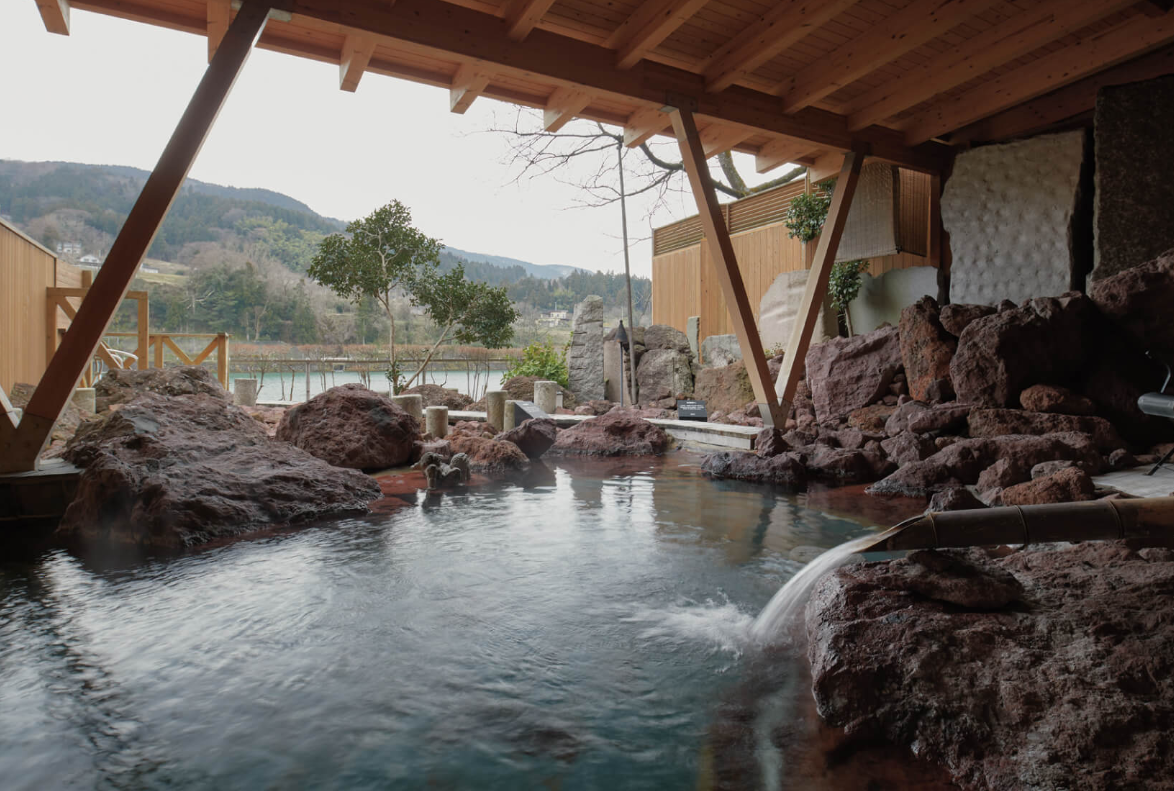
River Retreat Garaku (Toyama)
Rakudo-An (Toyama)
Surrounded by rice fields in western Toyama, Rakudo-An occupies a 200-year-old farmhouse that has been carefully restored and reimagined as a three-room boutique hotel. The project is part of a regional revitalization effort, with a portion of each stay supporting the local community. Interiors combine antiques with commissioned contemporary art, and each guest room is themed after a natural element — paper, silk, or soil. The on-site restaurant offers a changing daily menu inspired by the seasons, turning each meal into a reflection of what is growing nearby.
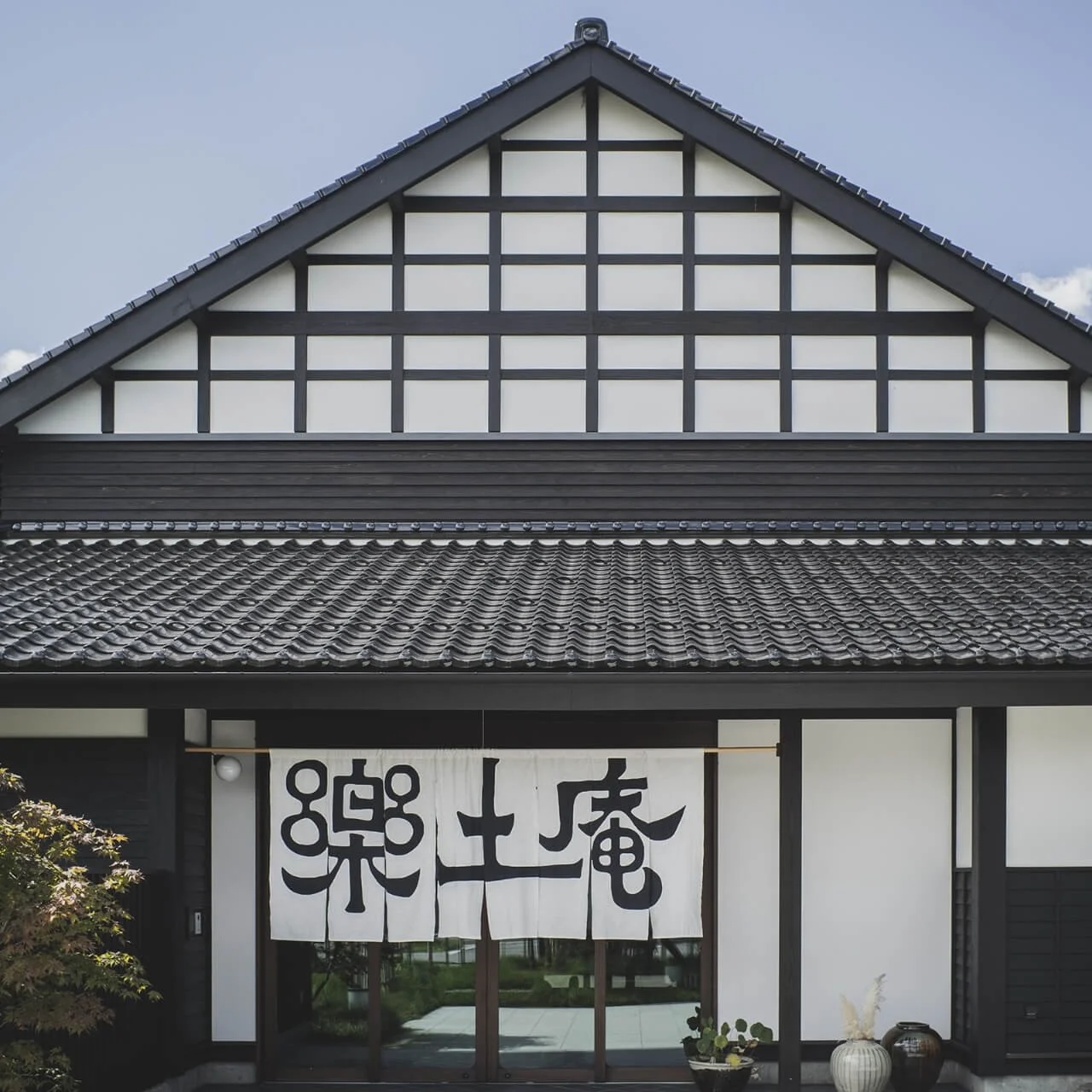
Rakudo-An (Toyama)
Korinkyo (Kanazawa, Ishikawa)
In central Kanazawa, Korinkyo offers a minimalist retreat within walking distance of many of the city’s cultural sites. Housed in a former art gallery, the hotel’s design emphasizes light, clean lines, and open space. Freestanding bathtubs and views of a neighboring park make it a calming place to return after exploring the city. A rooftop sauna and cypress baths can be reserved for private use, and the restaurant serves Taiwanese-inspired dishes based on principles of balance and nourishment.
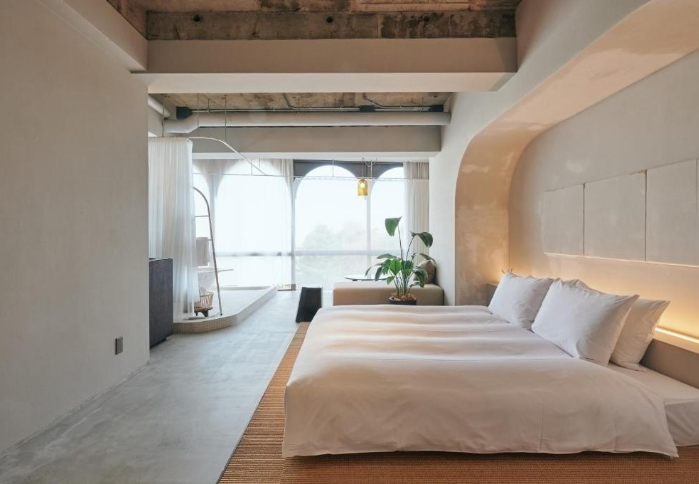
Korinkyo (Ishikawa)
Kanshukuen Eshitoko (Fukui)
At the foot of Mount Joboji and overlooking the Kuzuryu River, Kanshukuen Eshitoko is a newly opened ryokan with just eight guest rooms, each featuring an open-air hot spring bath. The interiors blend contemporary design with works by folk and modern artists, creating a layered sense of tradition and present-day craft. Meals center on Fukui cuisine and local Echizen sake, with seasonal ingredients shaping the menu throughout the year — from spring trout to autumn coastal fish.
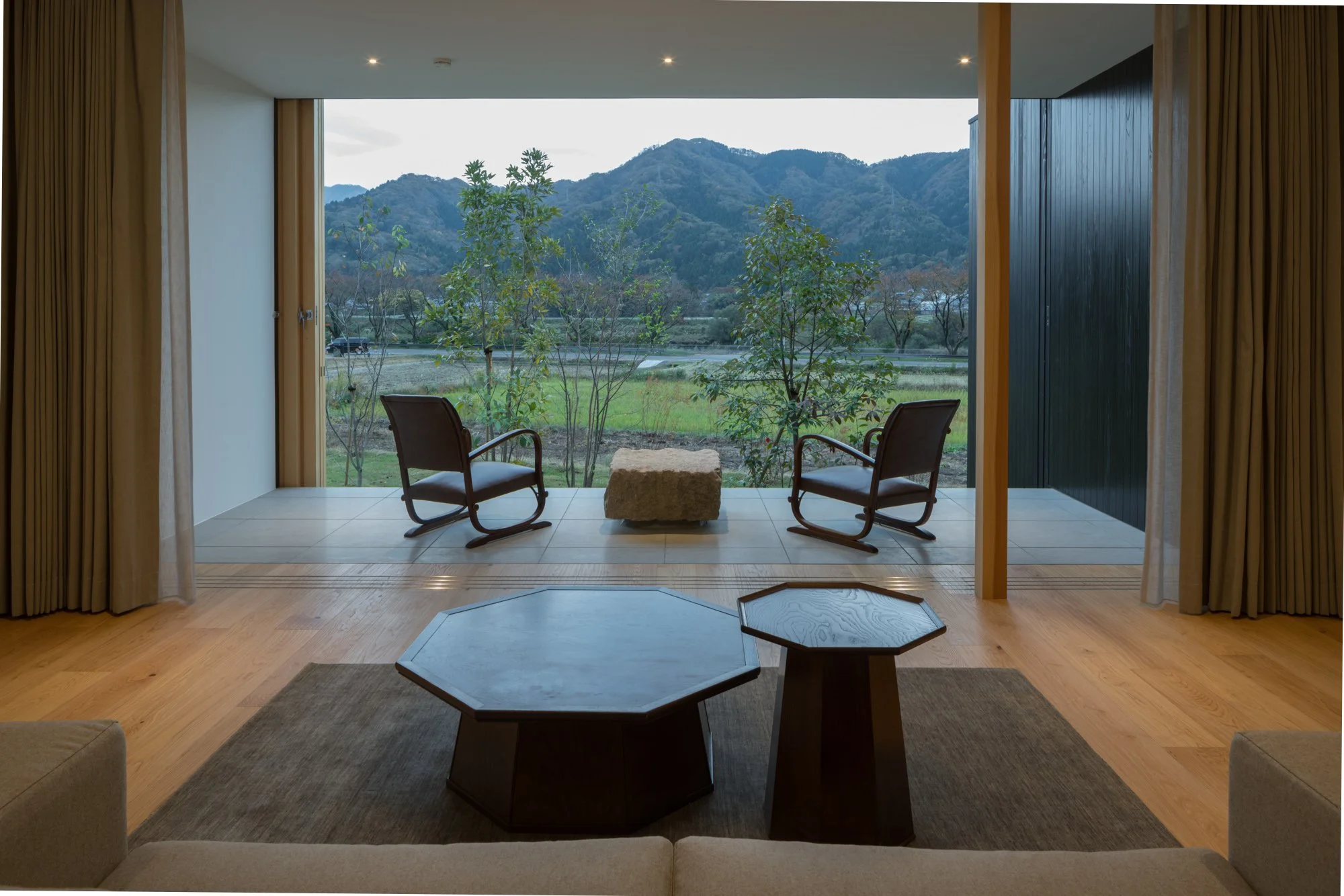
Kanshukuen Eshitoko (Fukui)
Suku (Fukui)
Located in a village known for handmade Japanese paper, Suku is a small inn with only three rooms, each named after the plants used to make washi: kozo, mitsumata, and gampi. The design is simple and restrained, allowing the surrounding environment to take focus. Guests can wander along quiet riverside streets and observe the many paper workshops that define daily life in the village. Staying here offers a rare chance to experience an active craft community from within.
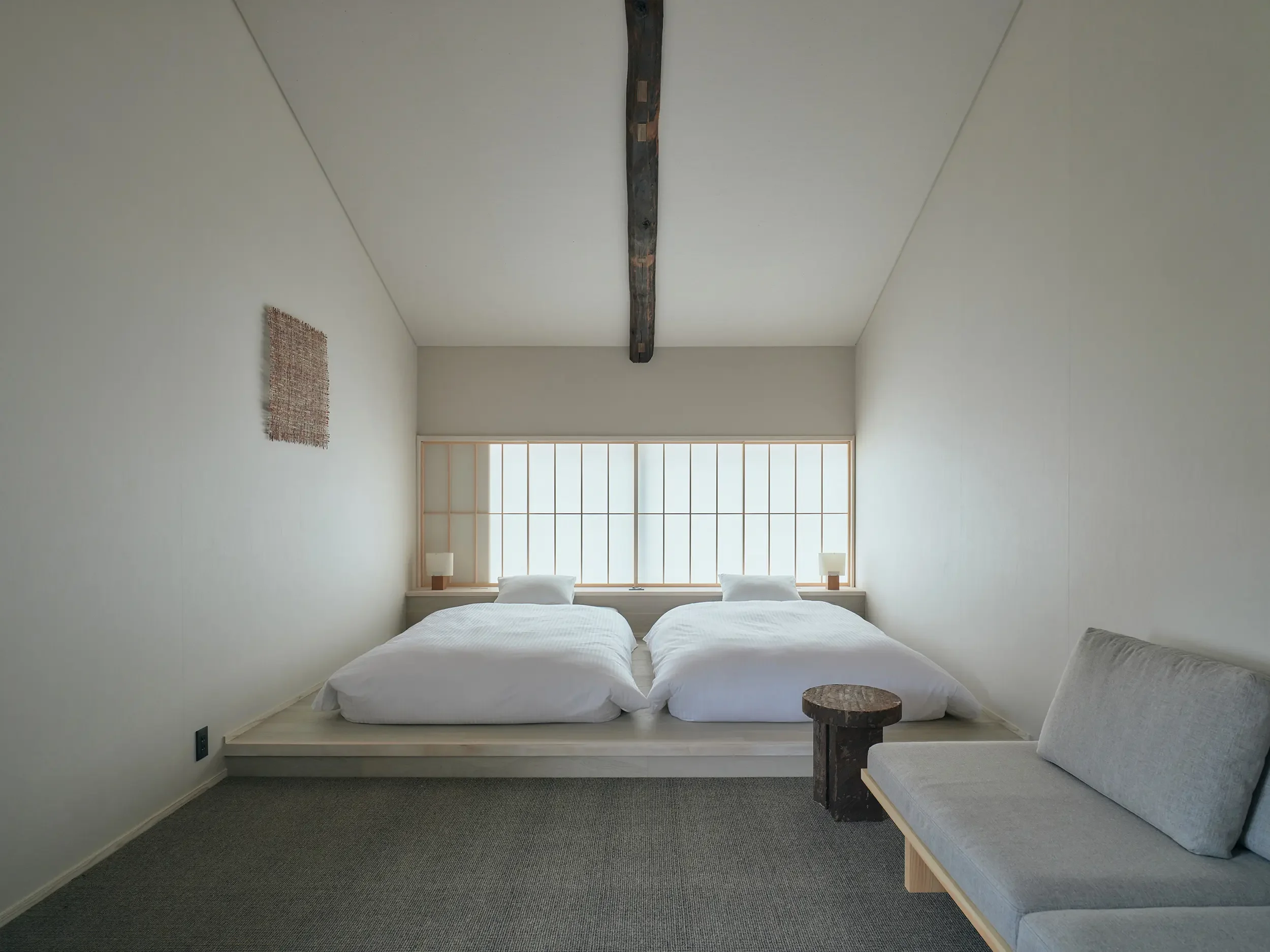
Suku (Fukui)
In Hokuriku, where you stay shapes how you travel. Whether in the mountains, along a river, or in a historic town, these accommodations extend the region’s philosophy of care, seasonality, and thoughtful design into the place where the day begins and ends.
This story is part of a four-part exploration of Japan’s Hokuriku region, looking at how food, craft, and landscape shape daily life along the Sea of Japan coast.
Read the full series:
Part 1: Introduction
Part 2: Where to Stay
Part 3: Where to Eat
Part 4: What to do