

Stories
The Vessel of Just Enough: A Guide to the History, Practice, and Care of Oryoki — Part 3
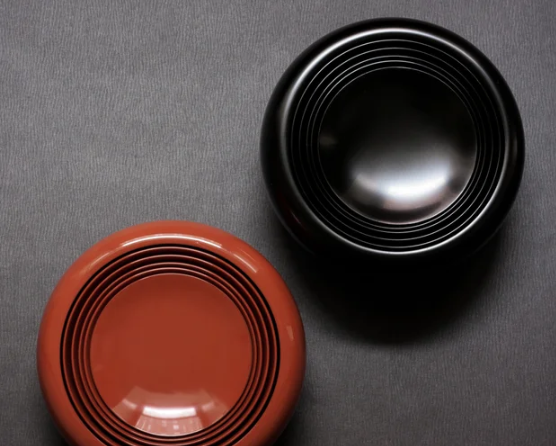
An authentic Oryoki set is built for decades of daily use, relying on traditional Japanese tategidori woodworking and natural plant-derived lacquer. Discover the exact care, washing, and storage protocols required to protect your vessels and maintain their rich finish for years to come.

The Vessel of Just Enough: A Guide to the History, Practice, and Care of Oryoki — Part2
Modern dining habits often treat eating as a secondary task. In contrast, the tradition of Oryoki frames the meal as a core meditative practice. Discover the thousand-year history of these symbolic nested bowls, tracing their origins from ancient Buddhist begging bowls to the structured rituals established by Zen Master Dogen in 13th-century Japan.
The Vessel of Just Enough: A Guide to the History, Practice, and Care of Oryoki — Part 1
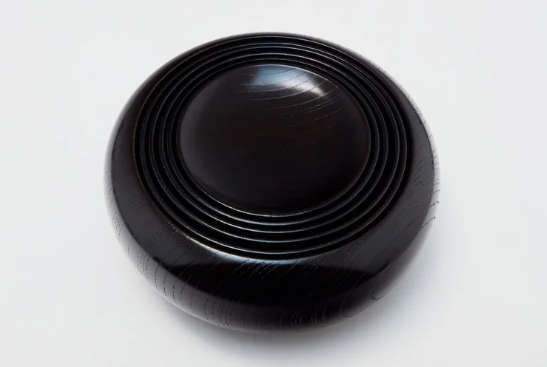
An Oryoki set is a masterpiece of compact, intentional design. Explore the specific components of the set—from the primary Buddha Bowl to the traditional wrapping cloths—and learn how the synchronized choreography of an Oryoki meal eliminates distraction to build a direct relationship with food.

The Rhythm of Living Indigo
In a world of chemical shortcuts, stepping into a process that rejects them entirely changes how we look at color.
These pure linen placemats by textile artist Anri Izai feature yarn dyed at NORABI studio in Chiba, Japan. Master dyer Ayaki Shinada maintains living indigo vats using an Edo-period fermentation process that relies on just four ingredients: composted indigo leaves, wood ash lye, shell ash, and bran.

The Ultimate Guide to the Matcha Whisk: Why the Chasen is Irreplaceable
Explore the 500-year history of the Japanese matcha whisk. Learn the difference between prong counts and why handcrafted Takano bamboo tools are an essential investment for tea purists.

Japan Blue: Indigo and the Depth of Everyday Use
Indigo dye, or aizome, has shaped Japanese textiles for centuries through its durability, depth of color, and evolving character over time. From everyday workwear to contemporary textile practices, it reflects a way of making where material, use, and process remain closely connected.

The Vernal Equinox in Japan — A Moment of Balance
In Japan, the Vernal Equinox (春分) is a seasonal turning point when day and night find balance, and nature begins to soften into spring. More than a date on the calendar, Shunbun invites reflection, quiet movement toward warmth, and an awareness of changing light and life.

The Difference Between Yunomi, Guinomi, and Ochoko
In Japan, small cups often carry specific names shaped by their role in daily life. Yunomi, guinomi, and ochoko may appear similar at first glance, yet each belongs to a distinct tradition of tea or sake. This guide explores their differences and the subtle rituals they represent.

Where to Stay in Hokuriku: Ryokan, Boutique Inns, and Mountain Retreats
Staying in Hokuriku is as much about atmosphere as location. From riverside retreats in Toyama to minimalist hotels in Kanazawa and intimate inns in Fukui’s mountains, accommodations here reflect the region’s close relationship with nature and craft. These selected stays offer thoughtful design, seasonal cuisine, and a sense of place—making them ideal bases for exploring Hokuriku’s quieter landscapes and traditions.

Hokuriku: Japan’s Quiet Coast of Craft, Cuisine, and Mountains
Hokuriku, stretching along Japan’s Sea of Japan coast through Toyama, Ishikawa, and Fukui, is a region shaped by mountains, water, and craft. Known for its heavy winters and rich natural resources, it has developed a culture rooted in food, making, and seasonal life. This four-part series explores Hokuriku through its landscapes, traditions, and daily practices—offering a slower, more intimate way to experience Japan beyond its major cities.

What to Do in Hokuriku: Crafts, Villages, and Living Traditions
Hokuriku offers experiences rooted in making, movement, and quiet observation. Visitors can explore centuries-old villages, walk through preserved geisha districts, and witness traditional crafts such as metal casting, knife making, and washi paper production. In Ishikawa, long-established traditions of lacquerware and Kutani ceramicware reveal how surface, form, and function evolve through generations of artisans. From moss-covered shrine paths to hands-on workshops and Zen meditation, these activities show how history and daily life remain closely intertwined across Toyama, Ishikawa, and Fukui.

Where to Eat and Drink in Hokuriku: Ramen, Sushi, Soba, and Sake
Hokuriku’s cuisine is shaped by its geography, where alpine rivers meet the deep waters of the Sea of Japan. From Toyama’s famously fresh sushi and rich black ramen to handmade soba in Fukui and centuries-old sake breweries in Kanazawa, food here reflects both abundance and restraint. This chapter of the series focuses on local specialties and the artisans behind them, revealing how regional ingredients and tradition define the Hokuriku table.

Setsubun in Japan — Marking the Threshold of Spring
Setsubun in Japan: Traditional Bean-Throwing Rituals and Seasonal Customs
Learn about Setsubun, the Japanese ritual marking the transition from winter to spring, including bean-throwing, home preparations, and symbolic craft objects.

Ruth Asawa at MoMA: Learning to See Through Making
Seeing Ruth Asawa’s work at MoMA reveals an artist deeply shaped by process, repetition, and the hand. Beyond her iconic wire sculptures, the exhibition offers insight into how drawing, material, and time come together—inviting viewers to spend time with the work rather than simply look at it.

Kiribako: Where Practicality Becomes Beauty
Kiribako, traditional Japanese storage boxes made from paulownia wood, have been used for centuries to protect ceramics, textiles, and treasured objects. Valued for their practical function as much as their understated form, these boxes reflect a Japanese approach to craft where preservation, material choice, and thoughtful design are inseparable.

Welcoming the Year in Japan — Oshōgatsu Traditions at Home
Welcoming the Year in Japan: Oshōgatsu Traditions at Home
Discover how the New Year is celebrated in Japan with Oshōgatsu traditions, from home preparation and osechi dishes to subtle craft objects and rituals.

How the Year Ends in Japan — Preparing for a New Beginning
How the Year Ends in Japan: Traditional Year-End Rituals
Explore how the year ends in Japan through traditional rituals such as Ōsōji, shimekazari, kagami mochi, toshikoshi soba, and New Year’s Eve temple bells.

Winter Solstice in Japan: Celebrating Tōji with Traditions and Crafts
The Japanese winter solstice, Tōji, is celebrated with traditions like yuzuyu (yuzu baths) to promote health. Crafted bathware, candles, and pottery enhance the rituals, blending tradition and artistry. Seasonal dishes, such as kabocha squash served in handmade bowls, add warmth to the celebration.

Tsukimi: Japan’s Timeless Moon-Viewing Tradition
Tsukimi, or “moon viewing,” is a centuries-old Japanese tradition celebrating the autumn full moon with seasonal offerings like tsukimi dango and susuki grass. Observed in mid-September and October, this festival honors nature’s beauty and the gratitude of harvest time.

Boxed In Beauty: A Digest of the New York Times Article on Japan’s Deeply Rooted Packaging Culture
Boxed In Beauty: A Digest of the New York Times Article on Japan’s Deeply Rooted Packaging Culture
Exploring how Japan’s reverence for boxes—crafted from paulownia wood, lacquer, and cloth—reflects centuries of artistry, order, and cultural meaning.